
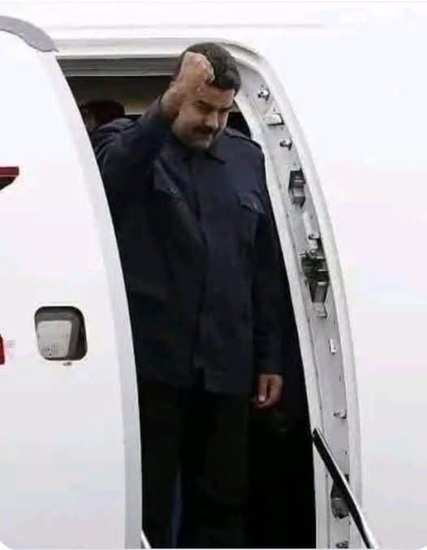
In recent weeks, a wave of viral posts and attention-grabbing headlines has circulated online, claiming that Venezuelan leader Nicolás Maduro is preparing to “return to his patria” or is undergoing a sudden political shift.
These claims have spread rapidly across social media platforms, leaving many users confused about what is actually happening in Venezuela and whether such reports reflect real-world developments or online speculation.
At first glance, these headlines appear urgent and credible. They often use dramatic language designed to capture attention quickly, encouraging users to click, share, or react without taking time to verify the information being presented.
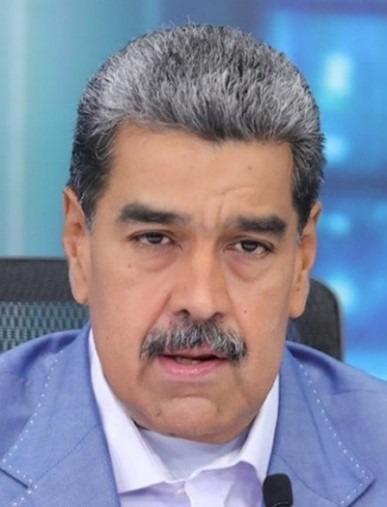
However, when examined closely, these claims do not align with verified reporting from established international news organizations. There is no confirmed evidence that Maduro has been removed from power or taken into foreign custody.
As of now, Nicolás Maduro remains the sitting president of Venezuela, continuing to exercise authority within the country while facing ongoing political, economic, and diplomatic challenges that have defined his leadership in recent years.
The idea that he has been captured by United States forces or transferred abroad is not supported by credible sources. Such an event would represent a major geopolitical development and would be widely reported across global media outlets.
In reality, no verified reports indicate any military operation involving the United States entering Venezuelan territory to detain Maduro. Claims suggesting such actions are most likely based on misinformation, speculation, or intentionally misleading content.
Understanding how these rumors gain traction requires examining the nature of modern digital communication. Social media platforms allow information to spread rapidly, often without verification, creating an environment where speculation can appear credible.
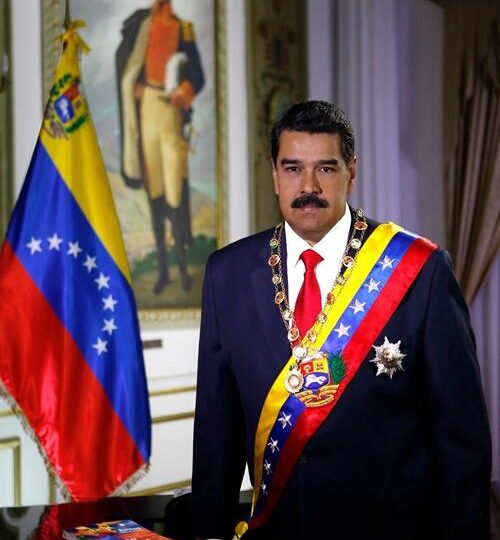
Content creators sometimes use exaggerated or incomplete statements to attract attention. Phrases like “breaking news,” “unexpected return,” or “major shift” can create urgency, even when the underlying information lacks factual support or context.
The political situation in Venezuela has been complex for many years, contributing to the ease with which such claims spread. Ongoing economic challenges, political tensions, and international attention make the country a frequent topic of global discussion.
Because of this, any headline involving leadership changes or dramatic developments can quickly gain visibility. Audiences are naturally drawn to stories involving power, conflict, or unexpected political shifts, increasing the likelihood of rapid sharing.
Emotional reactions also play a significant role. News involving political figures, especially controversial or widely recognized leaders, often triggers strong responses, leading people to share content before confirming its accuracy.
In the case of Nicolás Maduro, his long-standing presence in international headlines makes him a familiar figure. This familiarity increases engagement but also creates opportunities for misinformation to circulate more easily.
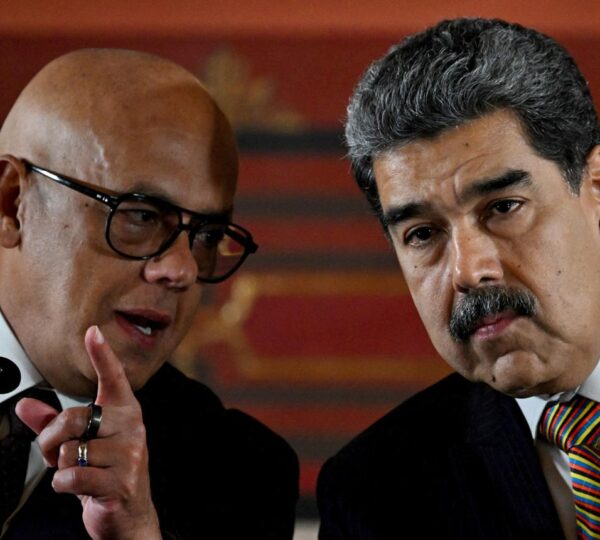
It is also important to note that Venezuela’s political structure has not undergone a sudden, confirmed leadership replacement involving figures like Delcy Rodríguez assuming full presidential authority due to removal of Maduro.
While Delcy Rodríguez plays a significant role in the Venezuelan government, there has been no verified transition in which she has replaced Maduro as president under the circumstances described in viral posts.
International reactions to Venezuela continue to focus on economic conditions, governance, and diplomatic relations. Governments and organizations typically respond through official statements, negotiations, or policy measures rather than sudden military interventions.
If an event such as a foreign military operation targeting a head of state had occurred, it would involve complex legal, diplomatic, and military implications, making it highly visible and extensively documented by reliable sources worldwide.
Instead, the absence of such reporting is a strong indicator that the circulating claims are not grounded in reality. This highlights the importance of distinguishing between viral narratives and verified information.
Social media platforms amplify content based on engagement rather than accuracy. Posts that generate strong reactions—whether curiosity, surprise, or concern—are more likely to appear in users’ feeds, regardless of their factual reliability.
This dynamic can create an illusion of credibility. When multiple posts repeat similar claims, it may seem as though the information is confirmed, even when all sources originate from the same unverified narrative.
To navigate this environment effectively, it is essential to rely on credible sources. Established news organizations, official government statements, and reputable international institutions provide more reliable information than isolated social media posts.
Checking multiple sources is one of the simplest ways to verify a claim. If a major development is real, it will be reported consistently across a range of respected outlets, not limited to a single viral post or headline.
It is also helpful to examine the language used in headlines. Sensational phrasing, incomplete statements, or emotionally charged wording often indicate content designed for clicks rather than accuracy or context.
Understanding these patterns allows readers to approach information more critically. Instead of reacting immediately, taking a moment to verify details can prevent the spread of misinformation and improve overall awareness.
The situation in Venezuela remains complex, involving economic challenges, political debates, and international relations. However, it does not include the dramatic scenario described in viral claims about Maduro’s capture or return.
Public discussions within Venezuela continue to address governance, economic stability, and future direction. These conversations are ongoing and reflect a range of perspectives among citizens, policymakers, and international observers.
At the same time, global interest in Venezuela ensures that any significant development will receive widespread attention. This makes it easier to identify credible information when it appears through established and trusted channels.
The persistence of rumors highlights a broader issue in today’s digital landscape. Information spreads faster than ever, but accuracy does not always keep pace, making critical thinking an essential skill for modern audiences.
By recognizing how misinformation spreads, readers can become more informed and discerning. This not only helps avoid confusion but also contributes to a more accurate understanding of global events and political developments.
Ultimately, the claim that Nicolás Maduro is in United States custody or preparing to return to Venezuela under those circumstances is not supported by verified facts.
He remains in Venezuela, continuing his role as president while facing ongoing domestic and international challenges that are widely documented and discussed through credible sources.
This situation serves as a reminder that not everything labeled as “breaking news” reflects reality. Careful verification, thoughtful reading, and attention to credible sources are essential for understanding complex global issues.
In a world filled with rapid updates and constant information flow, the ability to distinguish between verified facts and viral speculation has become increasingly important.
By approaching news with awareness and caution, readers can navigate information more effectively, avoid misinformation, and gain a clearer, more accurate understanding of events shaping the world today.

