
Noticing a dove resting on your balcony, walking through your yard, or gliding across your path can feel surprisingly significant. Across many cultures, these birds symbolize peace, love, hope, and gentle reassurance in everyday life.
In ancient traditions, doves often represented harmony and divine guidance. In Greek mythology, they were sacred to Aphrodite, symbolizing love and beauty.
Their presence was considered a sign of blessing, grace, and emotional balance in human affairs. In Christianity, doves are deeply symbolic, often associated with the Holy Spirit, purity, and peace.
They appear in biblical texts as messengers of hope, signaling calm after storms and embodying spiritual reassurance for believers worldwide.
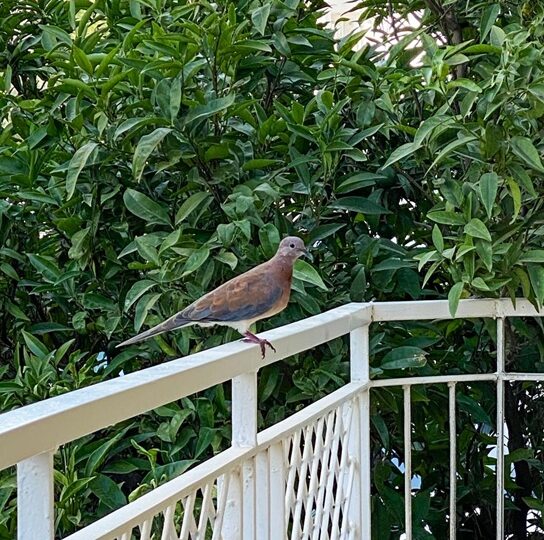
Seeing a single dove is frequently interpreted as a personal sign of comfort and reflection. Its quiet presence may encourage you to slow down, breathe, and trust that life is unfolding in its proper rhythm.
The soft, deliberate movements of a lone dove naturally inspire mindfulness. Observing it can enhance emotional awareness, prompting subtle shifts in perspective and fostering a sense of inner stability, patience, and gentle confidence.
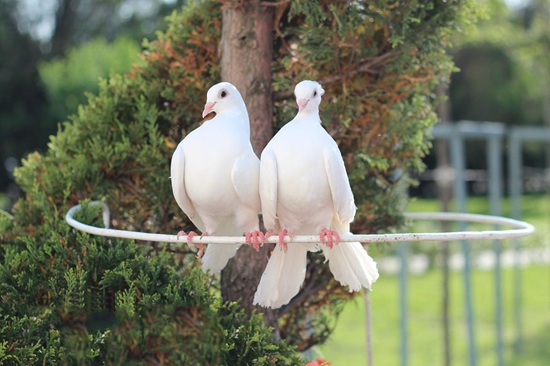
When two doves appear together, they often symbolize connection, partnership, and mutual understanding. Across cultural traditions, paired doves are linked to harmony in relationships, be they romantic, familial, or friendships grounded in trust.
In some cultures, two doves are considered a blessing for couples, representing fidelity, love, and enduring companionship. Their synchronized behavior encourages people to cultivate balance, kindness, and empathy in interactions with loved ones.
Beyond romantic symbolism, paired doves also inspire attention to personal growth and social harmony. Observing them can remind you to nurture emotional intelligence, maintain patience, and respond thoughtfully in daily human interactions.
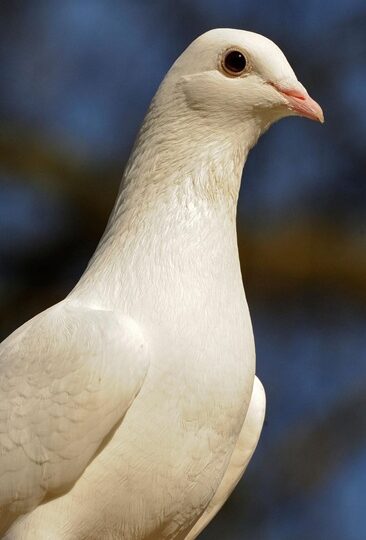
When three or more doves appear, their presence can feel profound, often interpreted as a message of growth, renewal, and emerging opportunities. Some cultures see this as a sign of upcoming positive change or transformation.
Multiple doves often encourage reflection on progress and future possibilities. Their calm movements provide an opportunity to pause, assess goals, and consider personal priorities, helping you align intentions with both inner and outer life.
In Native American traditions, doves are messengers of peace and spiritual connection. They are thought to guide individuals toward balance, emotional healing, and harmony with both nature and community, emphasizing the importance of mindful awareness.
Doves’ natural behaviors further enhance their symbolic role. Their soft cooing, gentle wing movements, and non-aggressive interactions model patience, empathy, and social cohesion, offering subtle lessons in emotional intelligence and peaceful coexistence.

Cultural interpretations often link the number of doves to specific messages. One dove may signal reassurance, two symbolize relationships, and three or more represent growth, opportunity, or guidance, reflecting a layered approach to observation and meaning.
Across Asia, doves are associated with fidelity and gentle communication. Their presence on temple grounds or in domestic spaces is interpreted as auspicious, inspiring mindfulness, spiritual clarity, and intentional action in both private and public life.
In folklore, doves are seen as symbols of hope during challenging times. Observing them in moments of stress or uncertainty can offer psychological comfort, reminding people that patience, calm reflection, and resilience are essential qualities.
Their white plumage is often emphasized in symbolism, representing purity, clarity, and renewal. It can encourage people to release past burdens, embrace emotional clarity, and cultivate a calm, open approach to life’s challenges.
Doves’ nesting behavior also carries metaphorical significance. Their commitment to secure, stable nests reflects care, preparation, and attentiveness, encouraging humans to build supportive environments and prioritize safety, comfort, and stability in personal life.
Ecologically, doves contribute to their habitats as seed dispersers, helping maintain plant diversity. Observing them reminds people of the interconnection between human life and nature, reinforcing respect, stewardship, and awareness of the environment.
The gentle cooing of doves has therapeutic qualities. Studies suggest that listening to natural bird sounds, including doves, can reduce stress, lower heart rates, and promote relaxation, making their presence emotionally and physiologically calming.
In artistic and literary traditions, doves frequently symbolize themes of peace, compassion, and hope. Poets, painters, and writers across centuries have highlighted their elegance and symbolism, embedding their meaning into human cultural consciousness.
Modern interpretations often focus on mindfulness and presence. Observing a dove can remind individuals to slow down, appreciate simple beauty, and cultivate gratitude, turning an ordinary moment into an opportunity for emotional and spiritual reflection.
When doves appear unexpectedly, they can prompt personal introspection. Their quiet behavior may signal a need to assess relationships, emotional balance, or life priorities, encouraging thoughtful consideration of subtle shifts in both internal and external environments.
For gardeners and outdoor spaces, doves provide indirect ecological benefits by feeding on seeds and insects, contributing to a balanced ecosystem. Their presence offers practical and symbolic reassurance that life continues in harmony.

Paired or grouped doves in public spaces often attract attention and curiosity, drawing people to pause and observe. These moments of observation can reduce stress, promote awareness, and encourage a meditative appreciation of the natural world.
The timing of sightings may also influence interpretation. Early morning encounters can inspire hope and renewal, while afternoon or evening observations may suggest reflection, balance, or preparation for upcoming challenges and opportunities.
Doves’ gentle flight patterns and soft landings model graceful adaptability. Watching them navigate obstacles or interact with their environment can teach lessons in patience, emotional regulation, and mindful navigation through complex or unpredictable situations.
Some traditions link doves to messages from ancestors or spiritual guides, interpreting their appearance as reassurance, guidance, or encouragement to align actions with personal values, ethics, and a path of peace and integrity.
In many households, doves are welcomed as unintrusive companions. Their quiet behavior allows people to integrate observation into daily life, fostering awareness of rhythm, routine, and subtle interactions in both human and natural worlds.
The cumulative symbolism of doves—peace, love, guidance, renewal, and mindfulness—demonstrates their enduring role across cultures. Their presence, whether solitary or in groups, provides meaningful pauses that enrich daily awareness and emotional life.
Ultimately, noticing a dove can transform an ordinary moment into a reflective experience. Their soft presence encourages patience, empathy, and observation, reminding us that small, quiet beings often carry the most profound lessons.
Through careful observation, individuals can appreciate both the ecological and spiritual significance of doves. Their behavior, symbolism, and natural presence combine to inspire mindfulness, emotional clarity, and a deepened connection with the surrounding environment.
Whether solitary or among several, doves serve as subtle messengers, offering guidance, reassurance, and reminders of harmony. By pausing to observe them, humans cultivate awareness, gratitude, and a reflective approach to everyday life.
Encounters with doves ultimately encourage both inner and outer attentiveness. They invite humans to notice beauty, embrace calm, and consider personal relationships, priorities, and emotional wellbeing within the broader flow of natural rhythms and cycles.
In conclusion, doves blend ecological function, cultural symbolism, and emotional influence. Their appearance, movements, and interactions inspire mindfulness, connection, and reflection, turning fleeting moments into opportunities for growth, awareness, and gentle reassurance.
