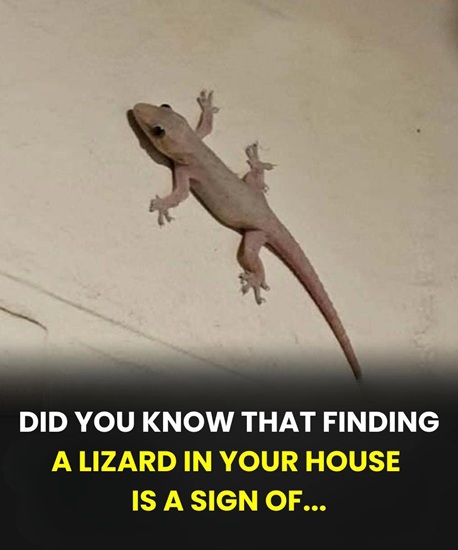
A lizard quietly gliding across your wall may seem ordinary, almost insignificant. Yet in many parts of the world, particularly in warm climates, these small reptiles are familiar daily visitors and quietly impact human environments.
Lizards, especially geckos, are often welcomed for practical reasons. They feed on insects, controlling pests naturally, reducing mosquito populations, flies, and other unwanted creatures, thereby providing ecological balance within homes without any human intervention.
Across Asian cultures, lizards carry symbolic significance beyond their ecological role. In Vietnam, for instance, seeing a gecko is often interpreted as a protective sign, suggesting the home is safeguarded from misfortune or negative energy.
Thai traditions add another layer of meaning. The “tokay” gecko, named for its distinct call, is sometimes thought to communicate affirmations or warnings, indicating whether decisions should be pursued or approached with caution.

In India, ancient texts such as Gauli Shastra codify lizards as messengers. Movements, sudden appearances, or physical contact are believed to carry predictions related to wealth, career developments, health, or interpersonal relationships, varying regionally.
For example, a lizard falling on the left arm may be interpreted as a positive sign for financial success, while appearing near the head might suggest forthcoming challenges. These beliefs are deeply intertwined with local customs and astrology.
In addition to symbolism, Western interpretations focus more on biological traits. Lizards are renowned for tail regeneration, a trait inspiring associations with adaptability, resilience, and renewal, emphasizing personal growth and the ability to recover from setbacks.
Encountering a lizard can thus serve as a subtle reminder to release old habits, adjust to changing circumstances, or reflect on emotional growth. Its presence may encourage mindfulness rather than predict fortune directly.
Lizard behavior is naturally influenced by environmental factors. Warmth, light, and food availability attract them. Homes with ample sunlight, warmth, or insects provide ideal conditions, explaining why these reptiles are common in human dwellings.
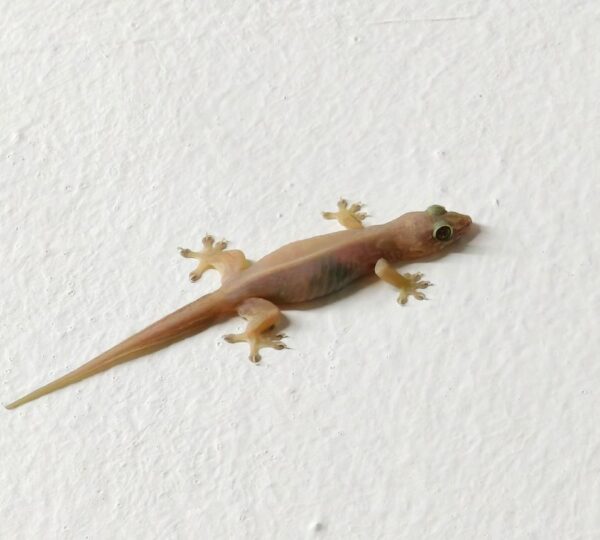
Geckos are nocturnal hunters, often more active in the evening. Their movement across walls or ceilings is usually purposeful, driven by hunting insects, seeking mates, or exploring territory, rather than random wandering or intentional interaction with humans.
In Japanese culture, lizards are sometimes viewed as lucky creatures, bringing prosperity and protection. Families may leave them undisturbed, believing that harming a lizard could invite misfortune or disturb the home’s energy balance.
Similarly, in Balinese and other Southeast Asian traditions, lizards are seen as guardians, absorbing negative energy. Their quiet presence may symbolize vigilance, harmony, and balance, blending spiritual belief with everyday observation.
Across cultures, the recurring theme is awareness. When a lizard appears, it is rarely considered entirely accidental. People are encouraged to notice, reflect, and interpret its presence in context—whether spiritual, symbolic, or practical.
In some African traditions, lizards are believed to act as omens, guiding decisions or offering warnings. A sudden appearance in specific areas of the home may be interpreted as advice to take caution or reconsider actions.
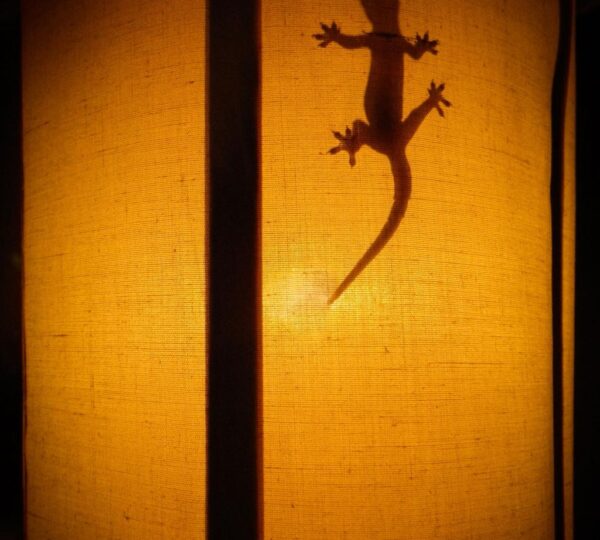
In Middle Eastern folklore, lizards are sometimes associated with adaptability and survival. Their ability to thrive in harsh environments or regenerate lost tails reinforces themes of resilience, patience, and resourcefulness.
The regenerative ability of lizards has also inspired broader human symbolism. Tail loss, followed by regrowth, represents letting go of burdens, recovering from adversity, and maintaining balance through difficult periods in life.
Scientific observations support this symbolism. Lizards rely on thermoregulation, using walls, ceilings, and sunlit areas to maintain body temperature. Their behavior naturally brings them into human observation, linking ecological and symbolic interpretations.
Lizards’ diet of insects makes them natural allies in maintaining a hygienic home. This functional role enhances the perception of them as protectors, linking practical utility to spiritual or symbolic beliefs seamlessly.
In India, some traditions differentiate interpretations based on lizard type. Small house lizards, wall geckos, or larger monitor lizards each carry distinct symbolic weight, often connected to household prosperity, personal relationships, or health outcomes.
The timing of a lizard’s appearance is also considered meaningful. Early morning sightings might indicate a forthcoming positive phase, whereas evening appearances could signal caution, encouraging attentiveness in daily choices and interactions.
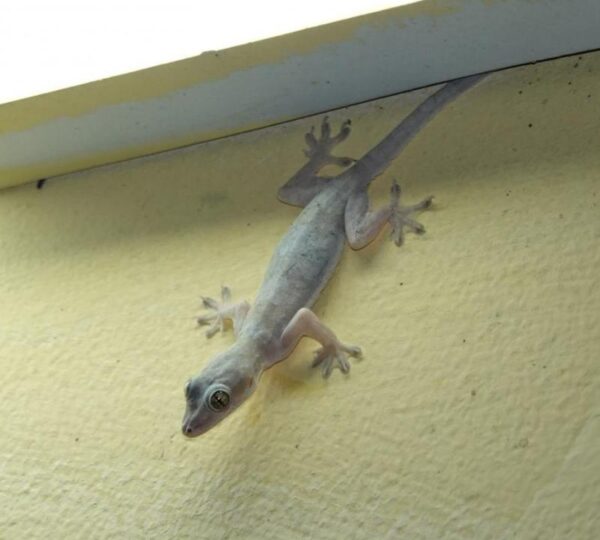
For Western perspectives, observing a lizard is more introspective than predictive. Its quiet movements encourage reflection on personal resilience, adaptability, and the ability to respond to environmental changes without stress or panic.
Encountering a lizard in a bedroom or private space may prompt deeper awareness. Such appearances are often interpreted as subtle nudges to examine personal habits, emotional state, or relationships that require attention.
Lizards are highly sensitive to environmental changes, detecting vibrations, light shifts, and air movement. This heightened perception explains their sudden appearances and disappears, reinforcing the idea that their movements carry meaning or significance.
In tropical regions, the constant presence of lizards makes them ordinary companions, yet cultural interpretation transforms this ordinary encounter into a meaningful experience, blending ecology, symbolism, and human awareness.
Practical human interaction with lizards often involves non-harmful observation or gentle relocation. People may respect their space, understanding that their presence serves ecological, symbolic, and cultural purposes simultaneously.
Some cultures see lizards as indicators of fortune. Positive associations with lizard sightings may encourage gratitude, patience, or cautious optimism, highlighting the intersection between environment, biology, and symbolic interpretation.
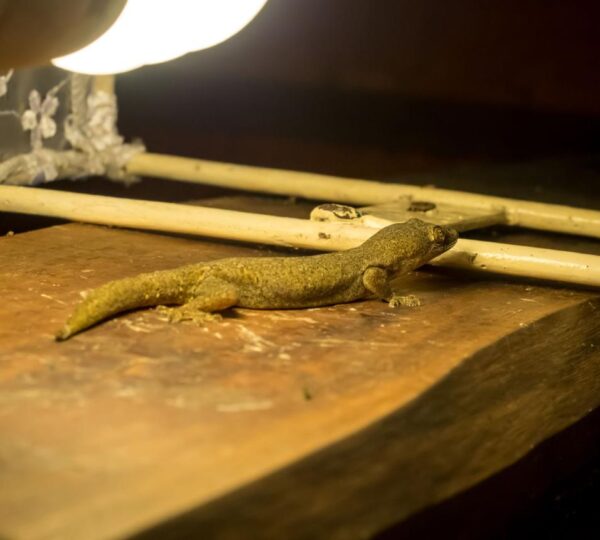
Beyond symbolic meaning, lizards demonstrate fascinating behavior. They communicate through body language, tail movement, and subtle color changes, revealing stress, readiness to mate, or territorial assertion—information humans may observe intuitively.
Scientific studies confirm that lizards have highly developed sensory perception. Their ability to detect chemical, thermal, and visual cues allows them to navigate complex environments effectively, linking their behavior to traditional symbolic interpretations.
Human cultural responses to lizards often reflect broader values. Respecting them can symbolize harmony with nature, mindfulness, and attentiveness to subtle cues, while harming or ignoring them may reflect impatience or lack of observation.
Across Asia, Africa, Europe, and the Americas, lizards are simultaneously practical insect controllers, spiritual messengers, and symbols of personal resilience, demonstrating a blend of biology, culture, and philosophy that continues to shape human perception.
Their movements, subtle calls, and presence in specific spaces prompt reflection. Whether interpreted as protective, cautionary, or transformative, they encourage humans to notice overlooked aspects of life, environment, and personal development.
In summary, lizards exemplify the intersection of natural behavior and symbolic meaning. Across cultures, their quiet presence reflects protection, resilience, adaptability, and subtle guidance in both practical and spiritual contexts.
Whether a lizard crossing a wall is noticed as an ordinary event or as a symbol depends on attention, awareness, and cultural framing, highlighting the richness of human-animal interactions and the depth of ecological literacy.
Ultimately, the significance lies not just in the lizard, but in the pause it creates. Observing, reflecting, and acknowledging this small creature fosters mindfulness, cultural understanding, and an appreciation for resilience in both nature and human life.
