

Sally Field was born on November 6, 1946, in Pasadena, California. Raised in a supportive yet complex family environment, she developed an early passion for performing, often participating in school plays and local theater productions.
Field’s mother encouraged creativity, fostering a love for storytelling. As a teenager, she appeared in community productions, showcasing a natural charisma and stage presence that would become hallmarks of her acting career and future success.
During her formative years, Sally balanced academics with performance opportunities. This early combination of discipline and artistic exploration laid the foundation for her unique versatility, a trait that would define her roles in both television and cinema.
Rise to Fame in Television
Sally Field’s breakthrough came in the 1960s with the popular television series Gidget (1965–1966). Her portrayal of the sunny, relatable teenager quickly garnered attention and helped her establish a foothold in the entertainment industry.

Shortly thereafter, she starred in The Flying Nun (1967–1970), where her charm, comedic timing, and engaging personality endeared her to audiences nationwide. The show solidified her status as a beloved TV star.
Her early television roles allowed Field to experiment with humor and light-hearted drama, honing skills that would later translate into more complex film performances. These series also introduced her to a broad fanbase across multiple generations.
Transition to Film
By the 1970s, Sally Field successfully transitioned from television to film, seeking more challenging and nuanced roles. Her desire to portray real, relatable characters led to significant acclaim and career-defining opportunities in Hollywood.
In Stay Hungry (1976), Field showcased both comedic and dramatic abilities, capturing attention from critics and industry insiders. Her performance hinted at the emotional depth and authenticity that would characterize her later work.
Field’s early film roles were notable for their diversity, demonstrating her ability to inhabit a range of characters. From lighthearted comedies to serious dramas, she consistently impressed audiences and set herself apart from contemporaries.
Breakthrough with Norma Rae
Sally Field’s portrayal of Norma Rae Webster in Norma Rae (1979) marked a watershed moment in her career. Her powerful performance as a determined labor activist earned her widespread recognition and critical acclaim.
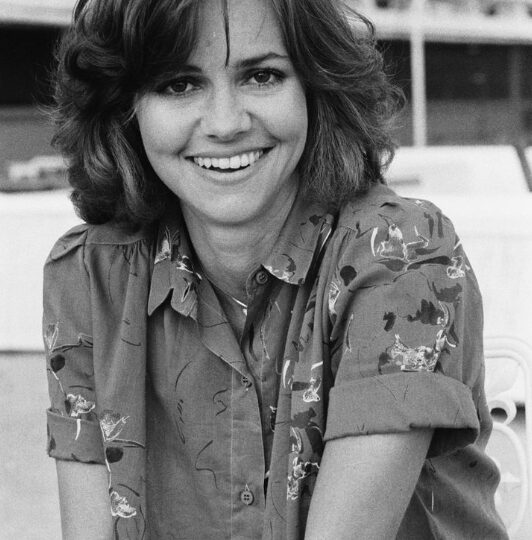
The role required both emotional intensity and physical commitment, as Field depicted the struggles of textile workers fighting for fair labor conditions. Her authenticity brought a remarkable realism to the character.
Winning the Academy Award for Best Actress for this role cemented Field’s reputation as one of Hollywood’s most compelling dramatic performers. She became known for portraying strong, resilient women with depth and sincerity.
Continued Success in Film
Following Norma Rae, Sally Field delivered another iconic performance in Places in the Heart (1984). Set during the Great Depression, her character, Edna Spalding, demonstrated resilience in the face of hardship, earning Field her second Academy Award.
Throughout the 1980s and 1990s, Field maintained a consistent presence in cinema. She starred in critically acclaimed films like Murphy’s Romance (1985), Steel Magnolias (1989), and Mrs. Soffel (1984), each role highlighting her versatility and emotional range.
Field’s ability to balance commercial appeal with meaningful storytelling allowed her to cultivate a career that remained both influential and respected. She continued choosing roles that challenged societal norms and portrayed authentic human experiences.
Portraying Real Women
A defining feature of Sally Field’s career is her dedication to portraying strong, independent women. She often selects roles that highlight resilience, empathy, and courage, resonating with audiences across generations.
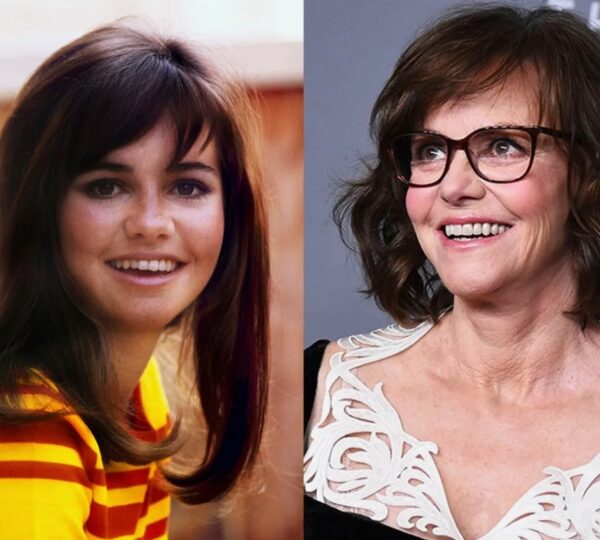
Characters like Norma Rae and Edna Spalding exemplify Field’s commitment to depth and realism. Her performances reflect not only her acting talent but also her keen understanding of human psychology and social dynamics.
Through these roles, Field has become a symbol of empowerment. Many fans and critics alike recognize her as an actress capable of elevating female characters, giving voice to stories often overlooked in mainstream cinema.
Later Career and Lincoln
In the 2010s, Sally Field continued to demonstrate her talent with roles in major films such as Lincoln (2012), where she portrayed Mary Todd Lincoln with nuance and sensitivity. The performance highlighted her ability to capture historical complexity.
Field’s portrayal received critical acclaim for its depth, subtlety, and emotional resonance. She conveyed Mary Todd Lincoln’s intelligence, vulnerability, and determination, reaffirming her status as one of Hollywood’s most versatile actresses.
Her career longevity is a testament to adaptability, professionalism, and the capacity to remain relevant in an industry often marked by fleeting fame. Field’s dedication to her craft has ensured continued respect from peers and audiences alike.
Advocacy and Public Life
Beyond acting, Sally Field is a passionate advocate for social justice, mental health awareness, and LGBTQ+ rights. She has used her public platform to raise awareness and inspire meaningful societal change.
Field often shares personal experiences, including challenges with mental health and family dynamics, to promote honesty and encourage dialogue. Her openness resonates with fans who value transparency and empathy from public figures.
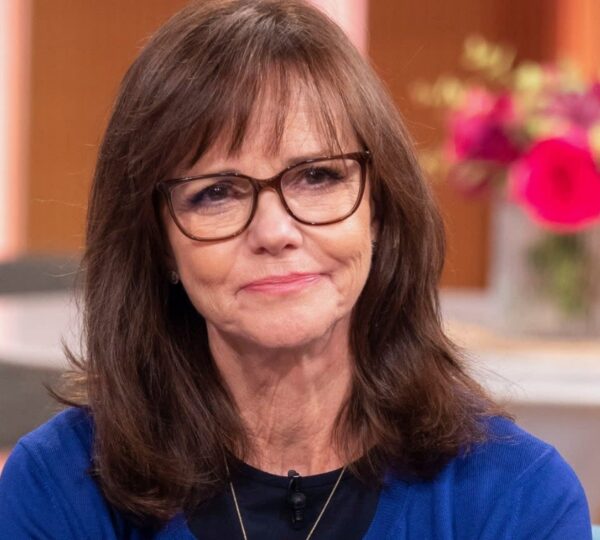
Her advocacy work extends to various organizations, campaigns, and public speaking engagements. Field consistently emphasizes empowerment, resilience, and compassion, reinforcing the positive impact of her influence beyond entertainment.
Impact on Television and Cinema
Sally Field’s contributions to television and film have influenced generations of actors and filmmakers. Her dedication to authentic storytelling has helped shape narratives that reflect real human experiences and complex emotions.
Young actors often cite Field as a mentor and inspiration, particularly for her ability to combine commercial success with artistic integrity. Her legacy is defined not only by awards but by the lives she has touched through her performances.
Field’s influence also extends to the portrayal of women in Hollywood. By selecting substantive, multidimensional roles, she has challenged stereotypes and opened doors for future female actors seeking meaningful parts.
Personal Life and Legacy
Sally Field’s personal life has been characterized by both triumph and challenge. She has balanced her professional commitments with family responsibilities, navigating the complexities of parenthood and public scrutiny with grace.
She is widely admired for her humility, warmth, and authenticity. Fans appreciate not only her talent but also her willingness to connect personally, sharing insights and experiences that reflect both vulnerability and strength.
Field’s legacy is multifaceted. It encompasses groundbreaking performances, advocacy, mentorship, and a lasting influence on American culture, entertainment, and the portrayal of women in media.
Continuing Influence
Today, Sally Field remains active in the industry, continuing to take on roles that challenge her and inspire audiences. Her work spans stage, television, and film, demonstrating enduring passion and commitment to storytelling.
Field’s ability to connect with viewers ensures her performances remain relevant and impactful. Audiences continue to celebrate her capacity for empathy, emotional intelligence, and authenticity in each role she undertakes.
Through her advocacy, mentorship, and exemplary performances, Sally Field exemplifies a holistic approach to life and career, balancing professional success with meaningful social impact and personal integrity.
Conclusion
Sally Field’s career, spanning more than five decades, represents a remarkable journey of talent, resilience, and authenticity. From early television roles to Academy Award-winning performances, she has consistently demonstrated versatility, emotional depth, and dedication.
Her legacy extends beyond entertainment, encompassing advocacy, mentorship, and inspiration for future generations. Sally Field remains a shining example of artistic excellence and compassionate public engagement in Hollywood.
Her story reminds audiences that true success involves both professional achievement and meaningful contributions to society, ensuring her enduring influence on culture, film, and social consciousness.

