

Born in Jackson Heights, Queens, Kevin Dobson’s early years were shaped by modest circumstances and a practical approach to life. He grew up in a working-class environment where steady effort mattered more than recognition or status.
Before stepping into acting, Dobson built a career that had little connection to the entertainment industry. He worked for the Long Island Rail Road as a brakeman and later as a conductor, learning discipline and responsibility.
That experience was not simply a job—it formed a foundation. Long hours, structured routines, and direct interaction with people helped him develop a grounded perspective that would later influence his acting style.
Unlike many performers who arrive in Hollywood through formal training or early exposure, Dobson’s path was gradual. His transition into acting came after years of working in an entirely different profession.

He did not enter the industry with the intention of becoming a star. Instead, his focus was on learning, improving, and understanding the craft step by step, without expecting immediate success or recognition.
When Dobson began pursuing acting, he brought with him a sense of realism. His performances were shaped less by theatrical flair and more by observation and lived experience.
This grounded approach became one of his defining characteristics. He did not rely on exaggerated emotion or dramatic delivery to capture attention, choosing instead to present characters in a natural and believable way.
His early roles reflected a willingness to take on supporting parts, building his career gradually. Each appearance added experience and credibility, allowing him to develop a steady presence on screen.
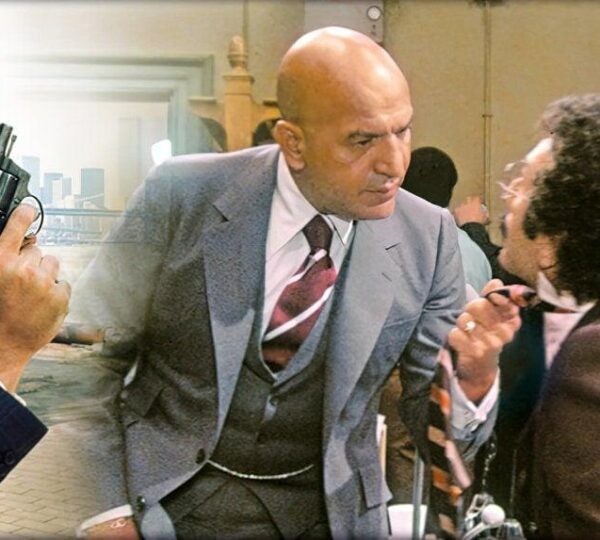
A turning point came with his role in the television series “Kojak,” where he portrayed Detective Bobby Crocker. This role introduced him to a wider audience and established his place in television drama.
Working alongside Telly Savalas, Dobson found a balance between strength and restraint. He complemented the lead character without overshadowing him, contributing to the overall tone of the series.
Detective Crocker was not written as an overly dramatic figure. Instead, the role required consistency, reliability, and subtlety—qualities that Dobson delivered with precision and care.
His performance in “Kojak” stood out because it avoided unnecessary intensity. He allowed the character to exist within the story naturally, making interactions feel genuine rather than forced.

The chemistry between Dobson and Savalas became one of the memorable aspects of the show. Their partnership reflected a working relationship built on mutual respect and professional understanding.
Dobson’s ability to remain measured in his performance helped anchor scenes. He provided a sense of balance, ensuring that moments of tension did not become exaggerated or unrealistic.
As the series gained popularity, so did recognition of Dobson’s work. However, his approach did not change. He continued to focus on consistency rather than seeking attention.
After “Kojak,” Dobson transitioned into another significant phase of his career with the role of M. Patrick “Mack” MacKenzie in “Knots Landing.” This role would define him for a new generation of viewers.
“Knots Landing” required a different type of performance. Instead of crime-driven storytelling, the series focused on relationships, personal conflicts, and long-term character development.
Dobson adapted to this shift without altering his core style. He portrayed Mack MacKenzie as a steady, dependable figure, someone who provided structure within an often unpredictable narrative.
The character did not rely on dramatic transformations. Instead, his strength came from consistency, integrity, and a sense of quiet authority that resonated with audiences over time.
Over many seasons, Dobson maintained the character’s identity without allowing it to become repetitive. He introduced subtle variations that reflected growth while preserving the essence of the role.
Viewers came to trust Mack MacKenzie. That trust was not built quickly; it developed through repeated, consistent portrayals that reinforced the character’s reliability and sincerity.
Dobson’s performance demonstrated that strong acting does not always require dramatic shifts. Sometimes, it is the steady presence of a character that creates the deepest connection with an audience.
Throughout his time on “Knots Landing,” he remained committed to the role. He approached each episode with the same level of attention, ensuring that the character remained authentic and grounded.
Recognition followed, but Dobson never allowed it to redefine his approach. He continued to prioritize the work itself rather than the attention that came with it.
What distinguished Dobson from many of his contemporaries was his restraint. He understood that less can often be more, especially when portraying characters meant to reflect real people.
He did not attempt to dominate scenes. Instead, he contributed to them, allowing the story and the relationships between characters to unfold naturally without unnecessary emphasis.
This approach created performances that felt familiar. Audiences could recognize aspects of real life in his characters, which made them more relatable and enduring.
Dobson’s career reflects a commitment to clarity. He focused on making his characters understandable, avoiding complexity that might distract from the core of the story.
That clarity extended beyond dialogue. It was evident in his posture, tone, and timing—elements that worked together to create a cohesive and believable presence.

In an industry often driven by dramatic moments and rapid changes, Dobson’s consistency became a defining strength. He demonstrated that steady work can have lasting impact.
His background outside of acting played a role in this perspective. Having experienced a different kind of work environment, he approached his career with practicality and discipline.
He understood the value of showing up prepared, delivering what was required, and maintaining a professional attitude regardless of circumstances.
This mindset contributed to his longevity in the industry. While others may have relied on sudden breakthroughs, Dobson built his career through sustained effort over time.
He did not chase trends or attempt to reinvent himself dramatically. Instead, he remained aligned with his strengths, allowing his work to speak for itself.
As television evolved, Dobson’s performances remained relevant. His style did not depend on specific eras or formats, making it adaptable across different types of storytelling.
Even as newer styles of acting emerged, his work continued to resonate because it was rooted in authenticity rather than technique alone.
Beyond his roles, Dobson was known for his professionalism. Colleagues often recognized his reliability and his commitment to maintaining a respectful working environment.
He approached his craft with seriousness but without unnecessary intensity. This balance allowed him to remain approachable while still delivering strong performances.
Dobson’s career also reflects the importance of patience. Success did not come instantly, but it developed through persistence and a willingness to continue improving.
He demonstrated that meaningful work does not require constant visibility. Sometimes, it is the accumulation of consistent efforts that creates a lasting presence.
His performances continue to be revisited not because they demand attention, but because they offer something steady and recognizable.
There is a sense of familiarity in his work that allows audiences to return to it without needing explanation or context.
This enduring quality speaks to the strength of his approach. By focusing on authenticity, he created characters that remain relevant beyond their original time.
Dobson’s path from railroad work to television was not defined by sudden transformation. It was a gradual progression shaped by decisions made over time.
Each step contributed to the next, creating a career that reflects continuity rather than abrupt change.
He did not rely on a single defining moment. Instead, his legacy is built on a series of consistent performances that together form a complete body of work.
This type of career may not always attract immediate attention, but it tends to endure. It leaves behind something that can be revisited and appreciated repeatedly.
Dobson’s life also highlights the value of staying aligned with one’s principles. He remained true to his approach, even as the industry changed around him.
He did not compromise his style to fit expectations. Instead, he allowed his work to develop naturally, guided by his understanding of the craft.
That consistency created a sense of trust—not only among audiences but also among those who worked with him.
Trust is not easily earned in any profession. It requires reliability, honesty, and a commitment to maintaining standards over time.
Dobson demonstrated these qualities throughout his career, both on and off the screen.
His work reflects a time in television when storytelling often relied on gradual development rather than immediate impact.
Characters were given space to evolve, and actors were expected to maintain continuity over extended periods.
Dobson excelled in this environment, bringing stability to roles that required long-term commitment and careful progression.
Even after his most prominent roles, his contributions remained part of the broader television landscape.
He did not need to remain constantly in the spotlight to maintain relevance. His past work continued to speak on his behalf.
In many ways, his career serves as an example of how steady effort can lead to lasting recognition.
It shows that success does not always come from dramatic change, but from persistence and clarity of purpose.
Dobson’s legacy is not defined by a single performance or moment. It is defined by the consistency of his work and the authenticity he brought to each role.
That kind of legacy does not fade quickly. It remains in the performances that continue to be watched and appreciated over time.
His journey—from the structured environment of railroad work to the evolving world of television—illustrates the power of gradual progress.
It is a reminder that meaningful careers are often built step by step, through choices that prioritize substance over visibility.
Kevin Dobson’s life and work reflect a steady path shaped by effort, discipline, and a clear understanding of what matters in both craft and character.

