
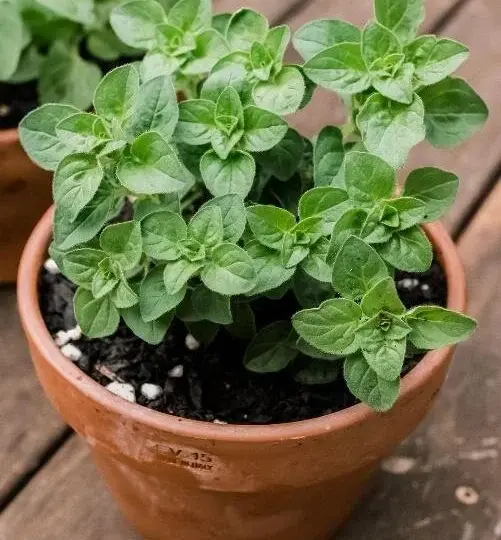
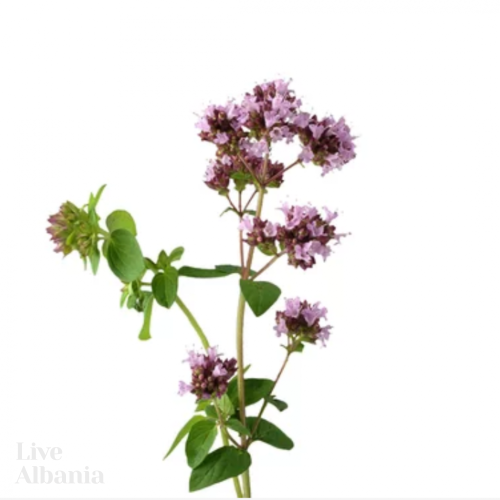
In the vast and complex field of botanical medicine, few natural substances carry as much historical and contemporary respect as the essential oil derived from Origanum vulgare, commonly known as wild oregano.
For centuries, traditional healers across the Mediterranean have valued this hardy perennial for its resilience, aroma, and multifaceted therapeutic properties. Over time, its uses evolved from culinary seasoning to a potent natural remedy.
Unlike dried oregano, which flavors dishes and offers mild health benefits, the essential oil is an intensely concentrated extract. This volatile liquid contains a complex blend of chemical constituents that function as the plant’s own defense system.
These compounds were naturally developed to protect the plant from harsh climates, microbial threats, and insect predation. Humans, recognizing this biochemical arsenal, have harnessed it for diverse health applications.
The most well-researched component is carvacrol, a monoterpenic phenol responsible for much of the oil’s antimicrobial potency. Thymol, another closely related phenol, complements carvacrol’s action against pathogens.
Together, carvacrol and thymol disrupt microbial cell membranes, halting replication and neutralizing harmful bacteria, viruses, and fungi before they can establish infections. This contrasts with synthetic antibiotics, which often target narrow pathways.
Unlike single-target pharmaceuticals, oregano oil’s multi-faceted mechanism reduces the risk of microbial resistance, positioning it as a versatile natural alternative for maintaining systemic health and combating diverse pathogens.
A primary area of benefit is gastrointestinal wellness. The human gut is a delicate ecosystem, where microbial balance influences immunity, digestion, and overall health. Imbalances can cause inflammation and disrupt nutrient absorption.
Oregano oil’s compounds act as internal regulators, helping to reduce opportunistic bacteria and parasites such as giardia or pinworms. These organisms can linger in the digestive tract, causing discomfort, fatigue, and long-term inflammation.
By suppressing these pathogens, oregano oil supports the restoration of gut flora balance, promoting a healthier intestinal environment where beneficial microbes can thrive without competition.
The effects on nutrient absorption are equally significant. A compromised gut lining hinders the assimilation of vitamins, minerals, and essential fatty acids, potentially causing subclinical deficiencies even in nutritionally adequate diets.
Oregano oil helps restore intestinal integrity by reducing microbial overgrowth and inflammation, improving villi function, and enhancing the body’s ability to extract and utilize nutrients efficiently.
Beyond the gut, oregano oil demonstrates broad-spectrum activity in the urinary system. The oil’s compounds circulate systemically, supporting the urinary tract by inhibiting the adhesion and proliferation of harmful bacteria.
This protective effect helps reduce the risk of recurring infections and supports the body’s natural filtration processes. By targeting multiple microbial pathways, oregano oil provides layered defense for sensitive biological systems.
Topical application also requires caution due to the oil’s potency. It is highly concentrated and can cause irritation or chemical burns if applied directly to skin without dilution in carrier oils like coconut, olive, or jojoba oil.
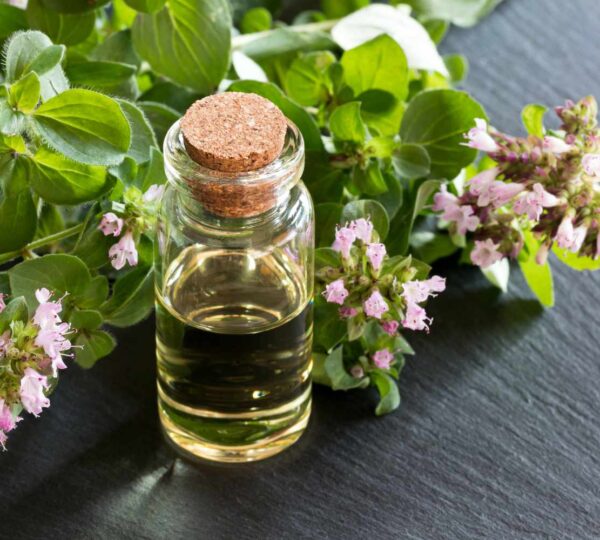
For internal use, proper dosing is essential. Oregano oil is typically encapsulated or diluted in liquids to protect the sensitive mucosal linings of the digestive tract. Excessive intake can disrupt beneficial microbiota and cause digestive discomfort.
Its strong chemical profile means oregano oil can interact with certain medications. Individuals using anticoagulants, blood pressure medications, or gastrointestinal drugs should consult healthcare professionals before regular use.
The therapeutic value lies in precise dosing and timing, not volume. A few carefully measured drops or capsules often provide measurable health benefits without the risks associated with high, unmonitored intake.
Scientific studies consistently highlight the antimicrobial, antifungal, and antiviral potential of oregano oil, confirming centuries of traditional use while providing measurable evidence for modern applications.
Researchers continue exploring oregano oil’s effects on digestive infections, respiratory conditions, and systemic microbial challenges. Preliminary data suggest potential benefits for inflammatory pathways, immune modulation, and even mild respiratory support.
Its antiparasitic activity is particularly noteworthy. Parasites often evade conventional treatments, but oregano oil’s complex mixture of phenols and volatile compounds can help interrupt their life cycles, supporting natural elimination.
Regular, cautious supplementation may contribute to an overall healthier gut environment. By reducing pathogen load, the body can focus resources on nutrient absorption, cellular repair, and immune system function.
The oil’s systemic reach extends to respiratory health. Volatile compounds may provide mild support against airborne pathogens, contributing to a cleaner microbial environment in the upper respiratory tract.
Traditional uses also highlight its role in topical applications. Diluted oregano oil has been used for minor cuts, insect bites, and skin irritations due to its antiseptic properties, further demonstrating its versatile protective capabilities.
Oregano oil’s potency requires respect. Unlike culinary oregano, the essential oil is not safe for casual, unmeasured use. Misuse can cause oral, dermal, or gastrointestinal irritation, emphasizing the importance of proper education and guidance.
Modern production emphasizes purity and chemical profiling. High-quality oils provide measurable carvacrol and thymol content, ensuring therapeutic effectiveness while minimizing the risk of contaminants or adulterants.
The concentration of active compounds can vary based on plant origin, harvest timing, and extraction methods, which is why reputable suppliers are essential for consistent, reliable results.
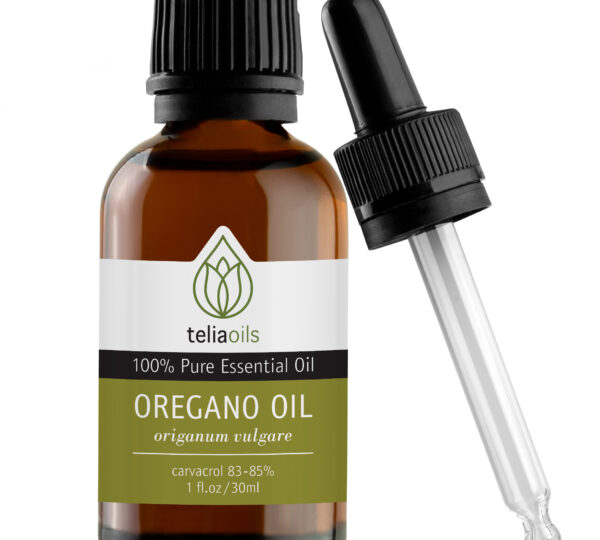
Integrating oregano oil into a wellness regimen involves strategic timing, dosing, and monitoring. Small, precise doses can complement a broader program of gut health, immune support, and microbial balance.
Beyond individual health, oregano oil represents a bridge between ancient herbal wisdom and contemporary scientific validation, illustrating how natural compounds remain relevant in modern integrative medicine.
This connection highlights the importance of understanding plant chemistry, appreciating traditional knowledge, and applying evidence-based methods to maximize safety and efficacy in daily use.
Oregano oil’s influence is not confined to internal systems. Its antimicrobial properties also contribute to food safety, preservation, and culinary hygiene, demonstrating its versatility in both medicinal and practical applications.
Users report benefits ranging from enhanced digestive comfort to improved immune response and clearer respiratory function, reinforcing the relevance of this ancient remedy in contemporary health practices.
Despite its age-old use, oregano oil remains the subject of ongoing scientific inquiry. Studies continue to examine its mechanisms of action, spectrum of microbial inhibition, and potential applications in complementary medicine.
Responsible use requires awareness of contraindications. Individuals with sensitive gastrointestinal systems, pregnant or breastfeeding women, and those on specific medications should always seek professional guidance.
By combining traditional insights with modern research, oregano oil exemplifies the principle that natural, potent extracts can provide therapeutic value when applied knowledgeably and safely.
Its integration into daily wellness routines should emphasize balance, moderation, and attention to systemic effects, ensuring that benefits are achieved without unintended consequences.
Ultimately, oregano oil offers a holistic approach to microbial management, gastrointestinal health, urinary support, and systemic resilience, illustrating the plant’s remarkable capacity to promote vitality.
The oil’s historical journey from Mediterranean hillsides to modern integrative medicine reflects its enduring relevance and underscores the value of natural compounds in maintaining human health.
In conclusion, Origanum vulgare essential oil represents a sophisticated, multi-layered botanical tool, capable of supporting internal cleansing, antimicrobial defense, and systemic well-being when used responsibly and with scientific understanding.
Through mindful use, adherence to dosage guidelines, and professional consultation, individuals can experience the full range of oregano oil’s benefits while minimizing risks, making it a cornerstone of modern natural health strategies.
Respecting its potency, learning its properties, and applying its use responsibly transform oregano oil from a simple herb into a concentrated, effective agent for supporting human health on multiple levels.
This timeless plant extract illustrates the power of nature’s chemical defenses and humanity’s ability to harness them safely, providing a potent means to cleanse, protect, and revitalize both the digestive system and systemic health overall.
By bridging traditional knowledge and modern science, oregano oil demonstrates how careful, informed botanical use can create meaningful, measurable improvements in personal wellness and microbial balance.
