
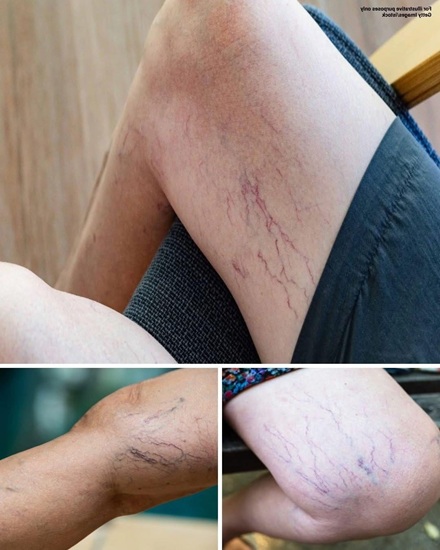
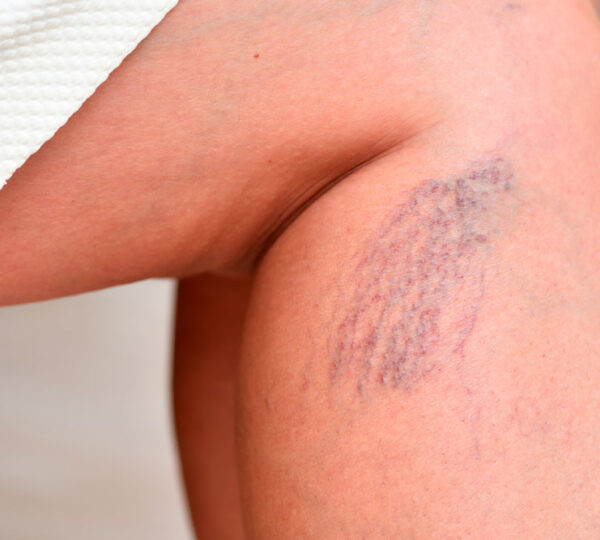
Purple veins on the legs are often more than a cosmetic concern. They signal that the veins may be under strain, and blood is not returning to the heart as efficiently as it should, potentially affecting circulation.
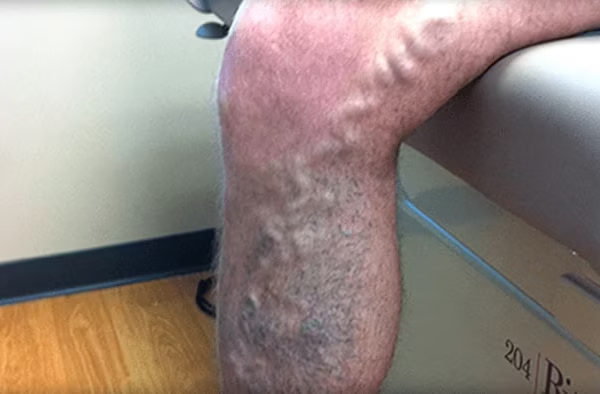
These veins, which can appear purple or bluish, are commonly called spider veins or early varicose veins. They form when the small valves inside veins weaken, allowing blood to pool instead of flowing upward toward the heart.
Gravity plays a major role in this condition, which is why the legs are particularly affected. Standing or sitting for long periods increases pressure in the veins, making purple or bulging veins more noticeable over time.
While some people dismiss these veins as purely aesthetic, they often indicate underlying issues in blood circulation. The pooling of blood can make legs feel heavier, ache, burn, or swell slightly, especially after prolonged activity or rest.
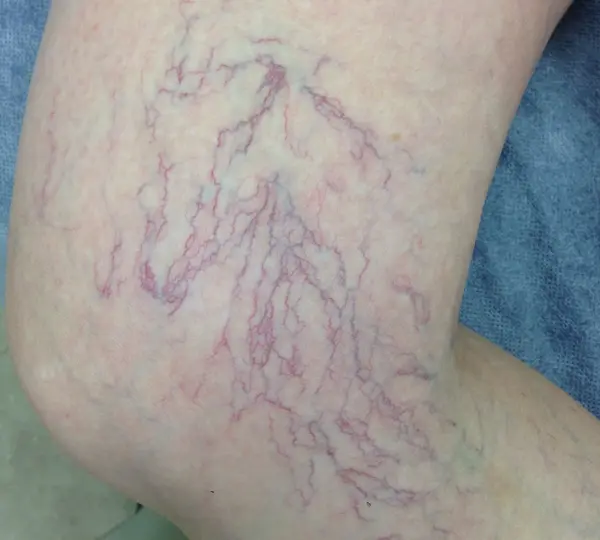
Early-stage purple veins are usually harmless and painless, but they are important signals that circulation may need attention. Ignoring these signs can eventually contribute to worsening vein health, discomfort, and mobility limitations over time.
Several lifestyle factors contribute to purple vein development. Sedentary behavior, long hours at a desk, minimal physical activity, and excessive weight increase pressure in the leg veins, making circulation more challenging for the body.
Dehydration and restrictive clothing, including tight jeans or hosiery, can further reduce vein efficiency. Fluid balance, muscle contraction, and even posture influence how effectively blood is pumped back to the heart against gravity.
Hormonal changes also impact vein health. Pregnancy, menopause, and hormonal therapies can relax vein walls, making valves less effective. These factors increase susceptibility, which explains why women often develop spider veins more frequently than men.
Genetics play a significant role as well. If parents or grandparents experienced varicose or spider veins, there is a higher likelihood of developing similar vein issues, even in young, healthy individuals without obvious lifestyle risk factors.
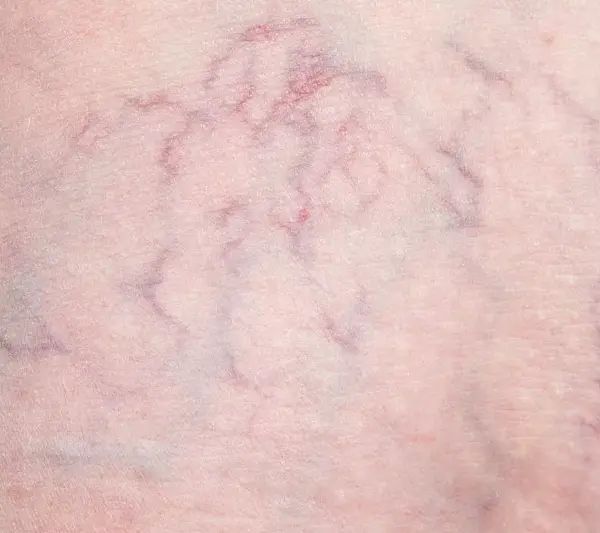
Symptoms may develop gradually. Early signs include purple or blue veins becoming darker or more prominent throughout the day, especially after standing for extended periods or following long hours of sedentary work.
Leg heaviness and fatigue often accompany the visual changes. Some individuals feel mild aching, throbbing, or burning sensations in the calves, ankles, or thighs, which can worsen toward the evening as circulation slows.
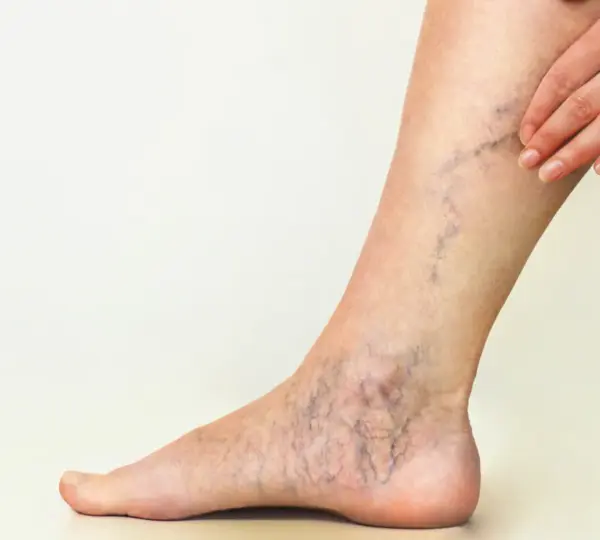
Swelling may also occur, particularly around the ankles and feet. This swelling is caused by blood and fluid accumulating due to inefficient venous return, signaling that the veins are under prolonged pressure and struggling to function properly.
Ignoring early symptoms can lead to progression. Small, spider-like veins may eventually develop into larger, painful varicose veins, which protrude visibly, can cause discomfort during walking or standing, and may require medical intervention.
Skin changes are another concern. Prolonged venous strain can lead to discoloration, dryness, or thickening around the ankles. In advanced cases, skin may become fragile, itchy, or prone to minor injuries and infections, requiring medical attention.
Addressing purple veins early offers the best chance of preventing progression. Lifestyle changes are foundational, starting with increased physical activity, which helps strengthen leg muscles and supports more efficient blood circulation.
Regular walking, cycling, or swimming engages the calf muscles, which act as a natural pump for veins, encouraging blood to flow upward and reducing the accumulation that leads to swelling, heaviness, or discomfort.
Leg exercises, such as calf raises, ankle rotations, and gentle stretching, improve vein tone and promote venous return. These exercises can be done multiple times daily, even during breaks from desk work or sitting for long periods.
Elevating the legs for short periods, particularly after standing or working long hours, also supports venous return. Raising legs above heart level encourages blood to flow back toward the torso and reduces pressure in the lower limbs.
Hydration is essential for maintaining healthy circulation. Adequate water intake supports blood volume, prevents thickening, and ensures that veins and valves can function optimally. Dehydration can contribute to sluggish circulation and more visible veins.
Maintaining a healthy weight reduces pressure on leg veins. Excess body weight increases intra-abdominal pressure, compresses veins, and reduces the efficiency of blood return to the heart, exacerbating purple vein visibility and discomfort.
Compression stockings provide another effective strategy. These specially designed garments apply gentle pressure along the legs, helping guide blood upward, reducing pooling, and supporting weakened valves without restricting movement or circulation.
Medical evaluation is recommended if symptoms worsen. A vein specialist can assess vein function using non-invasive imaging, such as Doppler ultrasound, and provide guidance on treatment options if circulation problems persist or varicose veins develop.
Minimally invasive treatments, including sclerotherapy or laser therapy, are options for larger or persistent veins. These treatments safely close damaged veins, redirecting blood to healthier veins while improving appearance and reducing discomfort.
Early intervention can prevent long-term complications. Addressing purple veins before they progress maintains leg comfort, reduces the risk of skin changes, and supports mobility, allowing individuals to remain active and pain-free for years.
Paying attention to purple veins is not about fear, but awareness. They are signals that your legs need more support and attention, encouraging habits that promote overall vein health and prevent long-term issues.
Even small adjustments, such as standing intermittently, performing leg stretches, or walking short distances during the day, can have a meaningful impact on circulation, vein pressure, and the overall appearance of the legs over time.
Wearing loose clothing around the waist and thighs improves blood flow by preventing external compression on veins. Clothing choices, often overlooked, can significantly influence venous pressure and reduce the likelihood of developing or worsening purple veins.
Regular exercise combined with proper nutrition supports vein health. Diets rich in fiber, antioxidants, and flavonoids—found in fruits, vegetables, and whole grains—help strengthen vein walls, reduce inflammation, and improve circulation efficiency.
Avoiding prolonged inactivity is critical. Standing or sitting for hours without movement increases pressure in the leg veins, encouraging blood pooling, heaviness, and the formation of spider or varicose veins over time.
Understanding the early signs of vein strain is key. Symptoms such as leg fatigue, mild swelling, burning, or visible purple veins indicate that circulation is compromised and that proactive measures should be taken.
Hormonal influences during pregnancy increase venous pressure and weaken vein walls, making monitoring leg health especially important for expectant mothers. Compression stockings and leg elevation can alleviate discomfort and prevent worsening veins.
Family history should guide vigilance. Individuals with relatives affected by varicose veins should monitor their legs regularly, adopt preventive lifestyle measures, and seek early consultation with a healthcare professional if symptoms appear.
Early recognition allows for conservative management, reducing the need for surgical intervention. Lifestyle changes, exercise, hydration, and support garments often prevent progression and maintain comfort, mobility, and vein health throughout life.
Ignoring purple veins may result in increasing discomfort, persistent swelling, or skin changes, which over time can interfere with daily activities, walking, exercise, and overall quality of life, highlighting the importance of early attention.
The legs work hard to pump blood against gravity, and weakened veins reflect the increased workload. Supporting vein function through movement, hydration, and compression reduces stress and preserves long-term venous health.
Taking early action is empowering. Incorporating walking, stretching, leg elevation, and balanced nutrition strengthens circulation, reduces visible veins, and alleviates heaviness, giving legs a healthier appearance and greater overall comfort.
Even simple habits like flexing the ankles, alternating between sitting and standing, and taking short walks throughout the day significantly improve venous return, contributing to long-term prevention and the reduction of purple vein prominence.
Lifestyle adjustments are often more effective than cosmetic solutions alone. Supporting vein health from the inside with circulation-enhancing strategies helps prevent both aesthetic concerns and potential progression to painful varicose veins.
Purple veins are a signal from the body. They indicate that circulation needs attention and that the legs require support, care, and conscious effort to maintain optimal vein function and long-term health.
By observing vein changes, monitoring symptoms, and responding with exercise, hydration, weight management, and supportive clothing, individuals can maintain leg strength, prevent discomfort, and minimize the risk of future vein complications.
Incorporating regular activity and preventive measures is especially important for those at higher risk, including pregnant women, individuals with sedentary occupations, or those with a family history of vein disease.
Over time, proactive management can reduce the visibility of purple veins, alleviate discomfort, and support healthy circulation, preventing the progression to larger varicose veins or associated complications like chronic swelling or skin irritation.
Compression therapy, leg elevation, hydration, exercise, and diet work together to support vein health. This holistic approach strengthens veins, improves circulation, and ensures the legs feel lighter, more comfortable, and less prone to strain over time.
Finally, recognizing purple veins early is key. Awareness, preventive strategies, and appropriate interventions allow individuals to maintain mobility, comfort, and the aesthetic appearance of their legs while reducing the risk of long-term venous complications.

