
Some of the most fascinating photographs are not created with expensive equipment or heavy editing, but through perfect timing, clever perspective, and a bit of luck.
These so-called “trick” photos remind us that reality can be playful, surprising, and sometimes hilariously misleading when captured from just the right angle.
Photography has always been about storytelling, but trick photos take that concept further by inviting the viewer to pause and look twice. At first glance, the image might seem ordinary, but a closer look reveals something unexpected or amusing hidden in plain sight.
Lighting plays a crucial role in creating these illusions. Shadows, reflections, and highlights can transform simple objects into something entirely different.
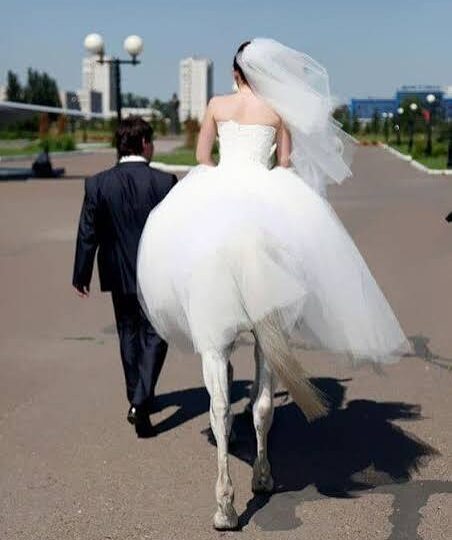
A shadow might look like a creature, or a reflection could create symmetry that tricks the brain into seeing something new.
Location is just as important as lighting. The right background can merge with the subject in a way that creates optical illusions. A building in the distance might align perfectly with a person in the foreground, creating a surprising visual effect.
Timing, however, is often the most critical factor. A split-second moment can make the difference between an ordinary photo and one that goes viral. A bird flying by at just the right moment can appear to be part of someone’s body or outfit.
Consider a simple image of a man wearing a stylish swimsuit at the beach. At first, it may seem like a straightforward portrait. But the angle, posture, and surrounding elements can add layers of humor or curiosity.

For instance, if the man is standing near a rock formation or a wave, it might appear as though the water is interacting with him in an unusual way. The viewer might need a second glance to understand what is really happening.
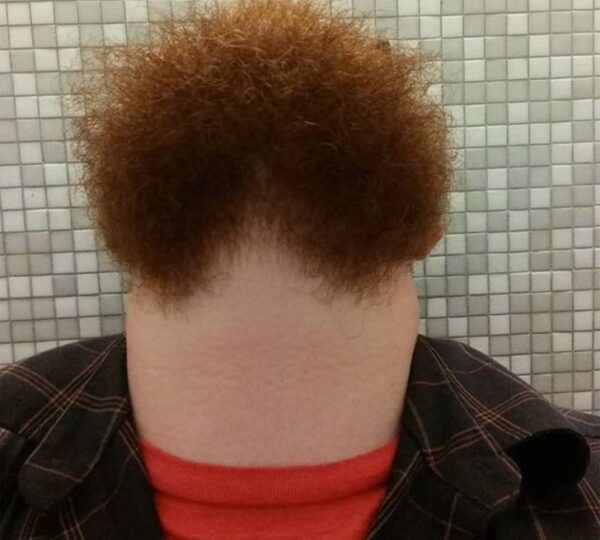
Another classic example involves bearded individuals looking upward. When captured from below, the beard can blend with the background in such a way that it appears exaggerated or transformed into something entirely different.
This kind of perspective distortion often creates amusing illusions. A beard might look like a completely separate object or even resemble an animal, depending on how the photo is framed and lit.
One of the most entertaining aspects of trick photography is how it plays with human perception. Our brains are wired to recognize patterns quickly, but these images exploit that tendency, leading us to incorrect conclusions at first glance.
A photo captioned “Looks like my ex” might show an object or shape that humorously resembles a human face. The humor comes from the unexpected connection between something ordinary and something familiar.
These images often rely on coincidence. A cloud formation might resemble a face, or a random arrangement of objects might look like a meaningful scene. The photographer’s role is simply to notice and capture that fleeting moment.
Sometimes, the illusion is created by overlapping elements. For example, a person might stand in front of a sign or object that aligns perfectly with their body, creating the illusion that the object is part of them.
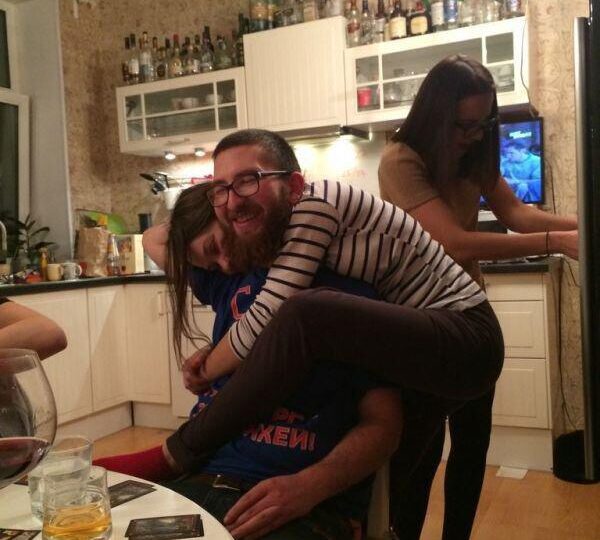
One amusing scenario involves hands appearing in unexpected places. A photo might show what looks like extra limbs or oddly positioned hands, but a second look reveals that it is simply another person standing nearby.
This type of visual confusion is harmless and entertaining, making it perfect for sharing online. People enjoy the challenge of figuring out what they are actually seeing, which increases engagement and curiosity.
Another popular illusion involves animals, especially birds. A bird flying at the exact moment a photo is taken can appear enormous if it aligns with a person in the foreground, creating the illusion of a giant creature.
This “biggest bird on earth” effect is a perfect example of forced perspective. The bird is actually far away, but the camera angle makes it look much larger than it really is.
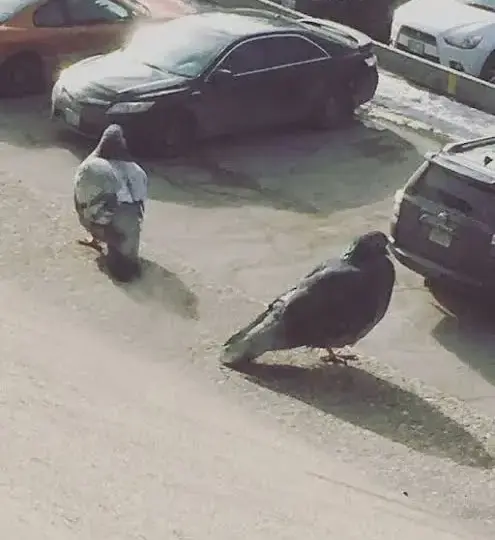
Forced perspective is a technique often used intentionally by photographers. By carefully positioning subjects at different distances, they can create illusions of size, making small objects appear large or large objects appear small.
However, many of the best trick photos are not staged at all. They happen naturally, which makes them even more delightful. The spontaneity adds authenticity and makes the image feel more special.
Confusion is a key element in these images. A viewer might initially misunderstand what they are seeing, leading to a moment of surprise or laughter when the true composition becomes clear.
This confusion is not frustrating but enjoyable. It encourages viewers to engage more deeply with the image, examining details and reconsidering their first impression.
Another common theme in trick photography is the blending of people and objects. A person might appear to have an unusually shaped body or extra features due to perfectly aligned background elements.
For example, someone standing near a sculpture might look like they have wings or an extended body part. The illusion disappears once the viewer recognizes the background element responsible for the effect.
These images highlight how easily our perception can be influenced by context. What we see is not always what is actually there, and trick photos make that concept visible in a fun and accessible way.
Happy moments, such as a smiling couple, can also become part of these illusions. A seemingly normal photo of a happy marriage might include a hidden detail that adds humor or surprise.
Perhaps something in the background aligns in a way that creates an unintended visual joke. These small details often go unnoticed at first but become the focal point once discovered.
The charm of trick photography lies in its simplicity. It does not require advanced editing software or technical expertise. Instead, it relies on observation, creativity, and a bit of patience.
Anyone with a camera or smartphone can capture these moments. The key is to remain attentive to surroundings and be ready to take a photo when something unusual appears.

Social media has amplified the popularity of these images. People enjoy sharing photos that make others pause and think, especially when the illusion is clever or unexpected.
These photos often go viral because they invite interaction. Viewers might comment on what they initially saw versus what they later realized, creating a shared experience.
Despite their playful nature, trick photos also demonstrate important principles of visual perception. They show how easily context, angle, and lighting can alter our understanding of a scene.
This makes them not only entertaining but also educational. They provide insight into how our brains process visual information and how that process can be influenced.
Importantly, these images should always be presented honestly. The goal is to entertain, not to mislead in a harmful way. Clear context ensures that viewers understand the illusion without being deceived.
Ethical photography means avoiding manipulation that could spread misinformation. Trick photos should remain lighthearted and transparent, focusing on visual humor rather than confusion with serious implications.
Captions play a significant role in enhancing the experience. A clever caption can guide the viewer’s interpretation while still allowing them to discover the illusion on their own.
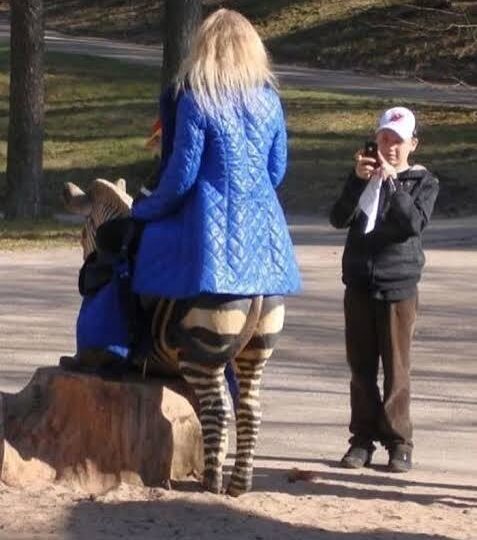
For example, a caption like “What am I looking at?” invites curiosity, while something like “Look twice” encourages closer inspection.
The balance between mystery and clarity is essential. Too much explanation can ruin the effect, while too little can leave viewers confused rather than amused.
The best trick photos strike this balance perfectly. They create a moment of surprise followed by understanding, leaving the viewer with a sense of satisfaction.
In many ways, these images celebrate the unexpected. They remind us that even ordinary moments can become extraordinary when viewed from a different perspective.
They also encourage creativity. Once people start noticing these illusions, they often begin looking for them everywhere, turning everyday life into a source of inspiration.
Photography, at its core, is about capturing moments. Trick photos take this idea further by capturing moments that challenge perception and spark imagination.
They are a reminder that the world is full of surprises, many of which go unnoticed unless we take the time to look more closely.
Whether it is a man in a swimsuit, a bearded individual looking up, or a bird appearing unusually large, each image tells a unique story shaped by perspective.
These stories are not fictional but rooted in reality. The illusion comes from how the scene is captured, not from altering the truth.
This makes trick photography both authentic and engaging. It shows that reality itself can be surprising without the need for manipulation.
As viewers, we are invited to slow down and observe. Instead of scrolling quickly past an image, we take a moment to understand it.
This pause is valuable in a fast-paced digital world. It encourages mindfulness and attention to detail, even in something as simple as a photograph.
Ultimately, trick photos bring joy. They make people smile, laugh, and share moments of discovery with others.
They prove that creativity does not always require complexity. Sometimes, all it takes is the right moment, the right angle, and the willingness to see things differently.
In a world filled with polished and edited images, these simple illusions stand out. They feel genuine and relatable, which makes them even more appealing.
As long as people continue to observe the world with curiosity, trick photography will remain a popular and delightful form of visual expression.
And the next time you come across a photo that seems a little unusual, take a second look. You might just discover something surprising hidden within the frame.
