
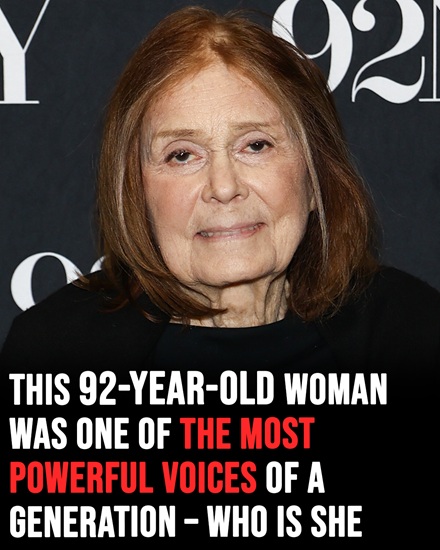
Gloria Marie Steinem, born March 25, 1934, in Toledo, Ohio, has spent more than six decades shaping the modern feminist movement as a journalist, activist, and organizer.
Her early life was marked by family instability after her parents’ divorce, and she spent much of her childhood caring for her mother, who struggled with chronic depression, while attending school irregularly.
Steinem’s father worked as a traveling salesman, and the family moved frequently before her mother returned to settle with her. These experiences shaped Gloria’s understanding of social challenges early on.
Even as a child, Steinem was curious and intellectually engaged; she read often, wrote stories, and displayed a strong desire to understand the world beyond her immediate surroundings.
After graduating from high school, she enrolled at Smith College, a prestigious women’s liberal arts college in Massachusetts, where she studied government and graduated magna cum laude in 1956.
Upon graduating, Steinem won a Chester Bowles Fellowship that took her to India for two years, where she studied grassroots activism and nonviolent protest movements — an experience that influenced her later work deeply.
While abroad, she wrote for Indian publications and observed social movements, gaining firsthand insight into collective action and resistance that would later inform her feminist activism.
Returning to the United States in 1960, Steinem began working as a freelance writer and journalist in New York City, quickly building a reputation for incisive reporting and cultural commentary.
One of her earliest breakthroughs came in 1963 with her undercover exposé “I Was a Playboy Bunny,” in which she documented the sexism and exploitation faced by women working at the Playboy Club.
The article garnered national attention for both its boldness and its critique of gender inequality, helping launch her into wider recognition as a journalist and feminist thinker.
By the late 1960s, Steinem’s writing had become more explicitly political, and she penned a column, “The City Politic,” for New York magazine, engaging directly with growing social movements.
In 1971, she joined forces with Betty Friedan, Shirley Chisholm, and Bella Abzug to found the National Women’s Political Caucus, an organization committed to training and supporting women for elected and appointed public offices.
That same year, she helped launch Ms. magazine, first as a section in New York magazine and then as a standalone publication, giving feminist voices a permanent platform in mainstream media.
Ms. was revolutionary, unapologetically tackling issues such as workplace discrimination, reproductive rights, sexual harassment, and domestic violence — topics rarely discussed in national media at the time.
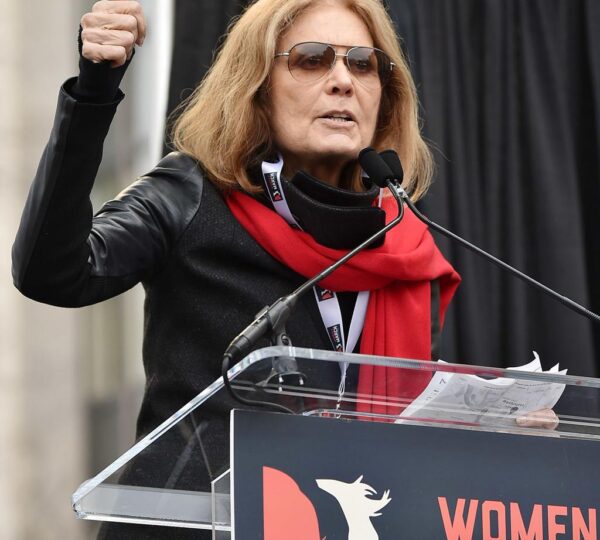
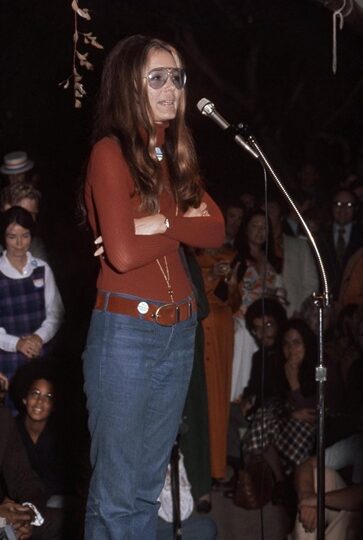
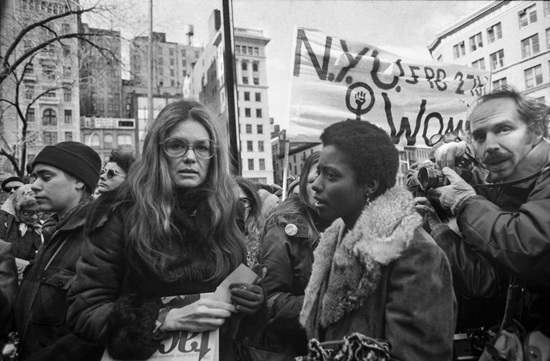
During the 1970s and 1980s, Steinem traveled extensively across the United States, speaking at colleges, rallies, and conferences to build grassroots support for women’s rights and the Equal Rights Amendment.
She became the de facto spokesperson of the women’s liberation movement, a role that brought both admiration and controversy as debates over gender roles intensified nationwide.
Steinem also helped found the Women’s Action Alliance and the Ms. Foundation for Women, organizations aimed at supporting feminist activists and amplifying women’s voices in all sectors of society.
In the 1990s, she was instrumental in launching Take Our Daughters to Work Day, a national initiative encouraging young girls to explore professional possibilities.
Steinem’s influence extended into media when she co‑founded the Women’s Media Center with Jane Fonda and Robin Morgan, championing the importance of women’s presence and leadership in media.
She authored several widely read books and essays, including Outrageous Acts and Everyday Rebellions, Revolution from Within, and Moving Beyond Words, each addressing aspects of feminism, identity, and justice.
Steinem also documented her experiences in her 2015 memoir My Life on the Road, reflecting on the people and movements that shaped her activism over decades.
At age 92, she continues to be active, recently announcing a new memoir, An Unexpected Life, which explores her personal journey and reflections alongside ongoing social movements.
Steinem’s public presence has not waned; she remains a sought‑after speaker, mentor, and thought leader, engaging with younger generations about equality, democracy, and justice.
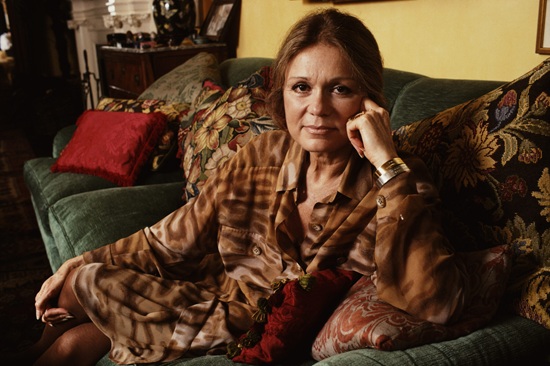
Her work for women’s rights and civil liberties earned her the Presidential Medal of Freedom, the highest civilian honor in the United States, awarded in 2013.
Steinem never had biological children, but she married entrepreneur David Bale in 2000; he passed away in 2003. She has spoken openly about choice and personal life in the context of broader social expectations.
Throughout her life, she has championed the idea that gender equity is essential to a just society — inspiring generations of activists globally.
Steinem’s legacy includes reshaping public discourse around gender, expanding the language of equality, and empowering women from diverse backgrounds to claim leadership and voice.
Her ability to merge personal experience with broader political movements has given her a lasting platform across decades of cultural transformation.
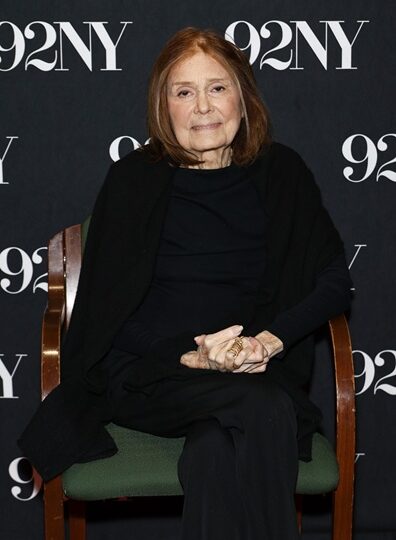
While some have debated her approaches or strategies, the impact of her advocacy on legal, cultural, and social norms is widely recognized by historians and scholars.
At nearly a century old, Steinem remains a symbol of the ongoing struggle for gender equality, urging both reflection and action in an ever‑changing world.
Her continuing influence reminds people that social change is long‑term work grounded in community, dialogue, and persistence.
Steinem’s life exemplifies how individual conviction, when combined with collective action, can reshape cultural narratives and expand rights for millions.
Today’s activists draw inspiration from her decades of organizing, writing, and speaking on issues that remain at the heart of global justice movements.
Her work continues to motivate new waves of advocates — ensuring that her influence will be felt for generations to come.

