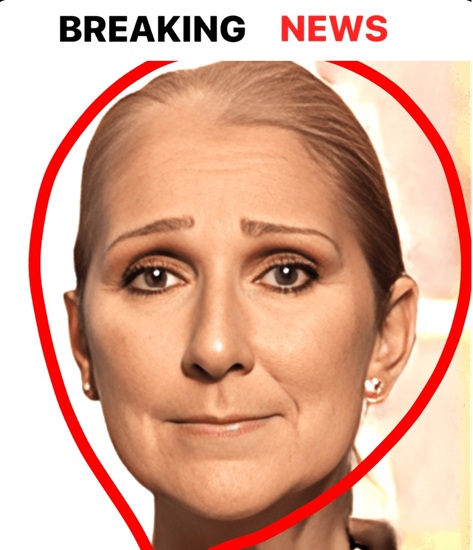
The global music community continues to reflect deeply on the evolving health journey of Celine Dion, as new updates highlight both the challenges and resilience defining her current chapter.
For decades, she has embodied vocal excellence, discipline, and emotional connection with audiences worldwide. Born in Quebec, Dion rose from humble beginnings to become one of the most recognizable voices in modern music.
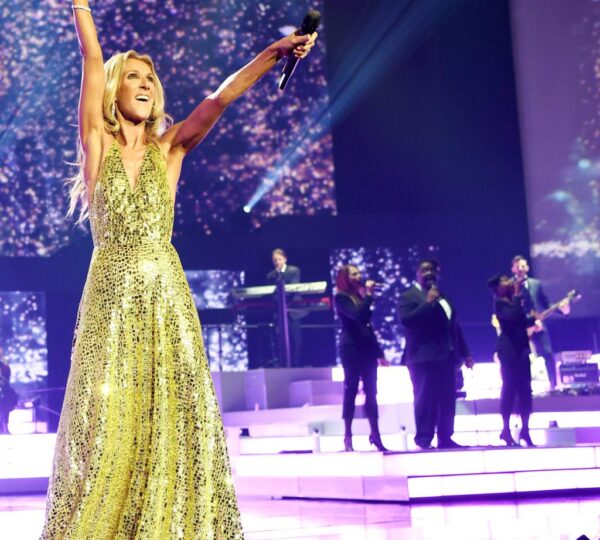
Her career has been marked by extraordinary achievements, including chart-topping hits, sold-out tours, and long-running residencies.
In late 2022, Dion publicly revealed that she had been diagnosed with Stiff-Person Syndrome, a condition that immediately raised serious concerns among fans and medical professionals. The announcement shifted attention from her performances to her health and recovery.
Stiff-Person Syndrome, often abbreviated as SPS, is an extremely rare neurological disorder affecting the central nervous system. It is characterized by muscle stiffness, spasms, and heightened sensitivity to stimuli such as sound, touch, and emotional stress.
For most individuals, SPS presents significant daily challenges, but for a professional vocalist like Dion, the condition poses unique and profound obstacles. Her artistry depends heavily on precise physical coordination, breath control, and muscular flexibility.
The diaphragm, vocal cords, and surrounding musculature must function in perfect harmony during singing. SPS disrupts this balance, making even basic vocal exercises unpredictable and, at times, physically painful or impossible to sustain consistently.
Following her diagnosis, Dion postponed and eventually canceled several scheduled performances, including parts of her anticipated world tour. These decisions reflected medical advice prioritizing her long-term health and safety over immediate professional commitments.
While fans initially hoped for a swift recovery, it has become clear that SPS is a chronic condition with no known cure. Management focuses on reducing symptoms and improving quality of life through ongoing medical care.
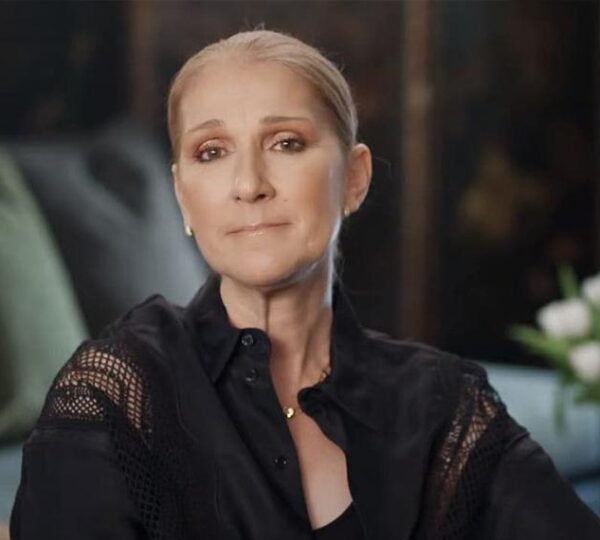
Dion has been working closely with a multidisciplinary team that includes neurologists, physiotherapists, and vocal specialists. Their goal is to stabilize her condition and explore therapies that may help restore some level of functional performance.
Treatments for SPS can include medications to reduce muscle rigidity, immunotherapy to address underlying autoimmune factors, and carefully structured physical rehabilitation programs designed to maintain mobility and strength.
Despite these efforts, the condition remains unpredictable. Some days bring relative stability, allowing Dion to engage in light activity or limited vocal work, while other days present intense spasms that significantly restrict movement and speech.
This unpredictability has been one of the most difficult aspects of her journey. Unlike injuries with clear recovery timelines, SPS requires constant adjustment and patience, often without clear indicators of long-term progress.
Emotionally, the transition has been profound. Dion has spent much of her life performing on stage, drawing energy from live audiences and delivering powerful vocal performances that defined her identity as an artist.
Adjusting to a reality where her body cannot always meet those demands represents not only a physical challenge but also a deeply personal and psychological one. It requires redefining expectations and embracing a new pace of life.
Throughout this period, Dion has maintained a strong connection with her fans. Through social media updates and public appearances, she has shared messages of gratitude, honesty, and hope, reinforcing her enduring bond with her audience.
Her openness about living with SPS has also raised awareness about the condition, which was previously unfamiliar to many people. By sharing her experience, she has contributed to greater public understanding of rare neurological disorders.
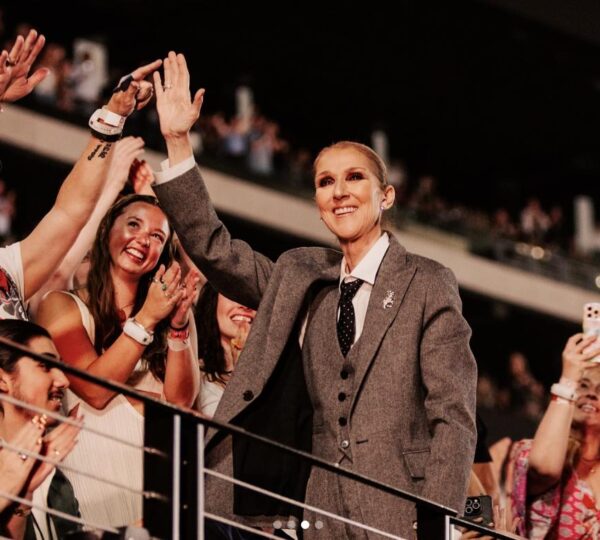
There have been occasional public sightings of Dion attending events, which have sparked optimism among fans. However, these moments represent brief glimpses rather than indicators of a full return to performing.
Medical experts emphasize that neurological conditions like SPS often follow a non-linear course. Progress may be interrupted by setbacks, and improvements can vary widely from one individual to another.
Triggers such as stress, sudden movement, or loud environments can provoke muscle spasms, making high-pressure situations like live performances particularly challenging. This creates a complex balance between passion and physical limitation.
Dion’s dedication to her craft remains evident in her continued vocal training and therapy sessions. Even in the face of uncertainty, she is committed to maintaining her abilities as much as possible.
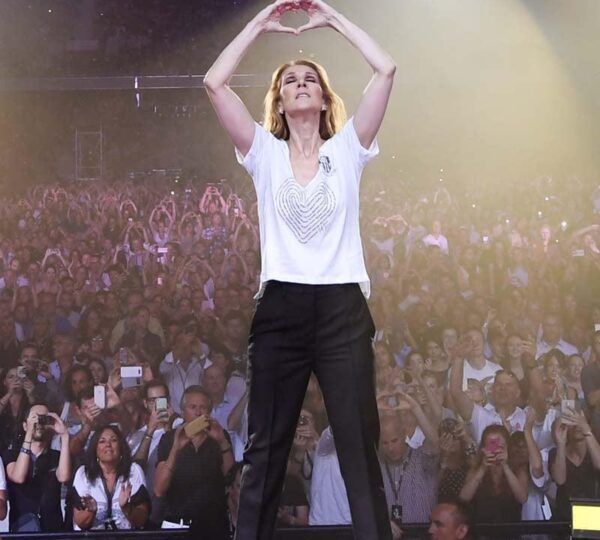
Her resilience is not new. Throughout her life, Dion has overcome numerous personal and professional challenges, including the loss of her husband and longtime manager, René Angélil.
That experience demonstrated her emotional strength and capacity to endure hardship, qualities that continue to define her approach to her current health challenges. She remains focused on her family and personal well-being.
Dion is also a mother, and her role within her family has become even more central during this period. Balancing treatment, recovery, and parenting responsibilities adds another layer to her daily life.
Fans around the world have expressed unwavering support, often sharing messages of encouragement and admiration. This global solidarity reflects the deep emotional connection she has built over decades of performing.
The conversation surrounding her future has shifted from expectations of immediate return to a more nuanced understanding of her situation. Many now recognize that her health must take priority above all else.
At the same time, there remains hope that, with continued treatment and care, Dion may find ways to engage with music again, whether through recording, limited performances, or alternative creative projects.
Documentary projects and interviews have provided additional insight into her journey, offering a more personal look at the realities of living with SPS and the determination required to manage it.
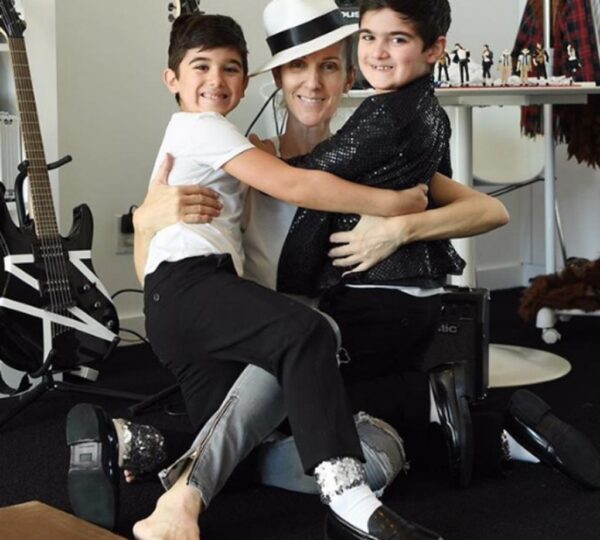
These portrayals emphasize that her story is not defined solely by illness, but also by perseverance, adaptation, and the enduring power of human spirit in the face of adversity.
The broader implications of her journey extend beyond the music industry. It highlights the importance of awareness, research, and support for individuals living with rare medical conditions.
Healthcare professionals continue to study SPS in hopes of developing more effective treatments. Increased visibility, partly due to Dion’s openness, may contribute to advancements in understanding the disorder.
For now, the timeline of her recovery remains uncertain. There is no fixed schedule for improvement, and each step forward must be carefully evaluated based on her condition and medical guidance.
This uncertainty can be difficult for fans accustomed to predictable tour announcements and album releases. However, it also encourages a deeper appreciation for her past work and ongoing strength.
Dion’s legacy as an artist is already firmly established. Her influence on music, vocal performance, and live entertainment spans generations and continues to inspire aspiring artists worldwide.
Even as her circumstances evolve, her impact remains unchanged. The songs, performances, and emotional connections she has created continue to resonate with audiences across cultures and languages.
In many ways, her current journey represents a different kind of performance—one defined not by vocal range or stage presence, but by resilience, honesty, and courage.
Her willingness to share her struggles openly challenges traditional perceptions of celebrity, replacing perfection with authenticity and strength in vulnerability.
This approach has deepened the respect many feel for her, transforming admiration for her talent into admiration for her character and perseverance.
As the world continues to follow her story, the focus has shifted from speculation to support, from expectation to empathy, and from performance to personal well-being.
Ultimately, what is unfolding is not just a medical narrative, but a human one. It is about facing uncertainty with dignity and continuing forward despite obstacles that cannot be easily overcome.
Whether or not Dion returns to the stage in the future, her journey remains a powerful example of resilience. It reminds us that true strength is often revealed not in moments of triumph, but in moments of challenge.
Her story continues to inspire millions, offering a message of endurance and hope that extends far beyond music. In this sense, her voice is still being heard—just in a different, deeply meaningful way.
