
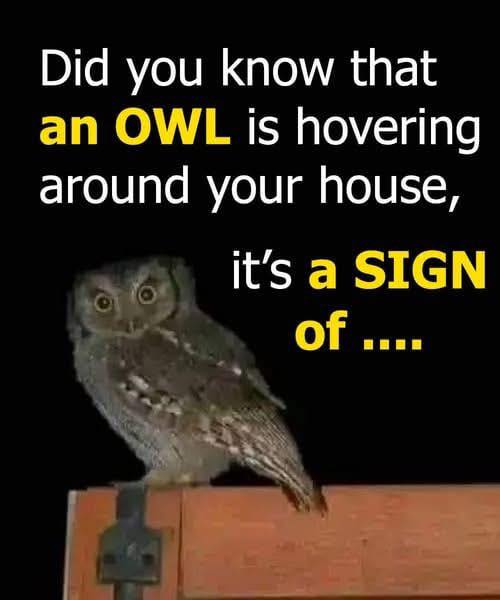
On dark and mysterious nights, a majestic and enigmatic bird silently glides across the skies: the night owl. Its stealthy flight and penetrating gaze have fascinated humans for centuries, inspiring myth, legend, and admiration.
Owls are supreme predators of the night, equipped with extraordinary hearing and keen vision. They hunt with precision, capturing small mammals, insects, and even other birds, demonstrating adaptability and mastery of the nocturnal world.
The anatomy of an owl is uniquely suited to hunting in darkness. Their large eyes face forward, providing binocular vision, while their facial discs channel sound efficiently, enhancing auditory sensitivity far beyond human capability.
Silent flight is one of the owl’s most remarkable adaptations. Specialized feather structures reduce turbulence and muffling sound, allowing these birds to approach prey undetected, giving them a deadly advantage during night hunting.
Owls are found worldwide, inhabiting forests, deserts, grasslands, and even urban environments. Their presence in diverse habitats reflects remarkable adaptability, as they exploit a variety of food sources and nesting sites to survive.
Some species are strictly nocturnal, while others, like the burrowing owl, are active during dawn and dusk. Their activity patterns are closely tied to prey availability and seasonal changes in their environment.
Beyond hunting, owls play an important ecological role. By controlling populations of rodents and insects, they help maintain balance in ecosystems, indirectly protecting crops and reducing the spread of disease.
Symbolically, owls have been revered across cultures for millennia. In ancient Greece, the owl was associated with Athena, goddess of wisdom, representing intelligence, foresight, and a deep connection to knowledge and learning.
In many Native American traditions, owls are messengers or protectors. Certain tribes interpret their calls as guidance or warnings, symbolizing insight, intuition, and the importance of paying attention to unseen forces around us.
During the Middle Ages, owls were often misunderstood and sometimes feared. Superstitions associated them with death or misfortune, reflecting humanity’s uncertainty and reverence for creatures that thrived in the dark.
Despite negative myths, modern interpretations tend to focus on wisdom and perceptiveness. An owl near your home can be seen as a symbol to pause, reflect, and observe situations with clarity and patience before acting.
The hooting sounds of an owl serve multiple purposes. Males call to establish territory, attract mates, or signal presence. These distinctive vocalizations vary widely across species and can be heard over impressive distances at night.
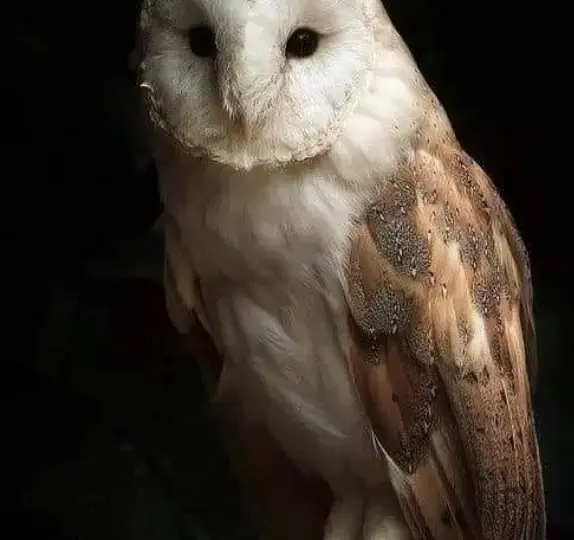
Some owls, like the barn owl, hunt silently using exceptional hearing to detect prey beneath grass or snow. This sensitivity allows them to track movements imperceptible to human senses, demonstrating remarkable survival skill.
Owls’ diet is often diverse. While small mammals are primary prey, many species eat insects, reptiles, amphibians, and birds, adjusting their hunting strategies according to seasonal availability and local environmental conditions.
In addition to hunting, owls are skilled at avoiding predators themselves. Camouflage, nocturnal habits, and strategic roosting sites allow them to remain safe from larger birds of prey and human disturbances.
Owl reproduction is also fascinating. Many species form monogamous pairs, and nesting behavior varies widely, from tree cavities to abandoned buildings. Both parents often participate in feeding and protecting their young.
The symbolism of owls extends to dreams and personal insight. Some cultures believe encountering an owl indicates a need to listen to inner wisdom, embrace solitude, or confront hidden truths in one’s life journey.
Owls’ ability to hover unnoticed near human homes is remarkable. Their camouflaged feathers allow them to blend with tree bark or rooftops, making their presence subtle, mysterious, and occasionally surprising to observers.
Hearing owls at night often evokes mixed feelings. Some feel awe or tranquility, while others may feel apprehension. These reactions stem from centuries of folklore, instinctual caution, and respect for the unknown nocturnal world.
Observing an owl can be educational and enriching. Birdwatchers, naturalists, and photographers seek out owls to study behavior, vocalizations, hunting techniques, and adaptations, gaining deeper understanding of nocturnal ecosystems.
Owls also inspire art, literature, and popular culture. From storybooks to films, these birds often represent wisdom, mystery, or transformation, reflecting humanity’s ongoing fascination with creatures that dwell in darkness.
Certain species, like the great horned owl, are apex predators in their ecosystems. Their ability to hunt larger prey, defend territory, and survive harsh conditions demonstrates impressive resilience and ecological importance.
Owls’ eyes are specially adapted for low-light vision. They have a high density of rod cells, allowing detection of subtle movements. Combined with wide-field peripheral vision, this makes them exceptional nocturnal hunters.
Their facial discs not only aid hearing but also direct sound to asymmetrically placed ears. This gives them precise localization of prey, even under leaves, snow, or dense vegetation, making auditory tracking as effective as sight.
Owl feathers are designed for stealth. Leading-edge serrations on wing feathers reduce turbulence, softening sound production. This silent flight allows owls to surprise prey and reduces detection by both predators and prey.
Conservation efforts are critical for owls, as habitat loss, pesticides, and urban expansion threaten populations. Protecting forests, grasslands, and wetlands ensures these birds can continue their ecological role and maintain biodiversity.
Artificial lighting can disrupt owl hunting patterns. Light pollution affects prey visibility, reproductive cycles, and territorial behaviors, highlighting the importance of dark-sky initiatives to preserve natural nocturnal rhythms.
Urban owls adapt remarkably well. Barn owls, great horned owls, and screech owls often nest in city parks, cemeteries, and abandoned structures, demonstrating flexibility and the ability to coexist with human-modified landscapes.
Studying owl vocalizations provides insight into communication and territoriality. Hoots, screeches, and whistles serve to warn rivals, attract mates, and coordinate with offspring, reflecting sophisticated social behaviors despite their solitary reputation.
Owls’ ability to rotate their heads up to 270 degrees is another evolutionary marvel. This flexibility compensates for immobile eyes, allowing a broad field of view without moving the body, aiding both hunting and predator avoidance.
Symbolically, seeing an owl in your yard or flying overhead can signify wisdom, awareness, and observation. Many believe it encourages introspection, listening to intuition, and recognizing opportunities hidden in plain sight.
Owls also remind humans of patience and subtlety. Their hunting requires stillness, timing, and observation—qualities often mirrored in personal growth, problem-solving, and decision-making strategies in daily life.
In some Asian cultures, owls represent good luck, prosperity, and protection. Their appearance is celebrated, inspiring charms, art, and folklore centered on guidance, insight, and spiritual connection with the natural world.
Owls’ nesting behaviors are fascinating. Some species reuse abandoned nests of other birds, while others excavate tree cavities or burrow into the ground. Their adaptability ensures reproductive success across diverse environments.
Juvenile owls often require extended parental care. Parents teach hunting skills, recognition of prey, and survival strategies, demonstrating a complex interplay of instinct and learning necessary for successful adulthood.
Owls’ predatory efficiency supports ecosystem balance. By controlling rodent populations, they reduce crop damage and disease transmission, providing both natural pest management and ecological stability in multiple habitats worldwide.
Encountering an owl at night can evoke reflection. Its silent presence prompts humans to slow down, listen, and engage with the natural world, fostering mindfulness, curiosity, and appreciation for nocturnal life cycles.
Nighttime observation of owls can be enhanced with careful attention to sounds, movements, and shadow patterns. Hoots, wing flutters, and subtle rustling may indicate activity, offering opportunities to witness predator-prey interactions firsthand.
Owls inspire scientific curiosity. Researchers study vision, auditory systems, flight mechanics, and behavior to better understand sensory adaptations, predator strategies, and evolutionary success among nocturnal birds of prey.
From mythology to modern ecology, owls occupy a unique space in human consciousness. They embody mystery, intelligence, and vigilance, reminding us of the unseen, intricate rhythms of life that continue after dusk.
Their continued survival depends on awareness and conservation. Protecting habitats, limiting pesticide use, and educating communities ensures owls remain an integral part of natural ecosystems and cultural heritage.
Whether admired as hunters, symbols of wisdom, or silent observers of human activity, owls enrich our understanding of nature, reminding us that much of life’s beauty and knowledge occurs quietly in the night.
The night owl represents the intersection of biology, culture, and personal reflection. Its adaptations, hunting techniques, and symbolic meanings create a multifaceted portrait of resilience, intelligence, and the enduring magic of the nocturnal world.

