
Residents throughout the United Kingdom are being encouraged to adopt practical precautions as seasonal spider activity begins to increase. Experts stress that awareness and preventive measures are sufficient, and there is no reason for undue alarm.
Arachnologists note that certain species, including the False Widow spider, become more active during late summer and early autumn.
This period coincides with mating season, prompting male spiders to travel greater distances in search of potential mates.
During this seasonal movement, False Widows may inadvertently enter homes through open windows, gaps in doors, or ventilation ducts. Their presence indoors is accidental and does not indicate aggressive intent toward humans.
Understanding seasonal spider behavior helps households coexist safely. Spiders are present year-round, but visibility spikes during specific periods, especially when environmental conditions encourage movement and mating activity across wider ranges.

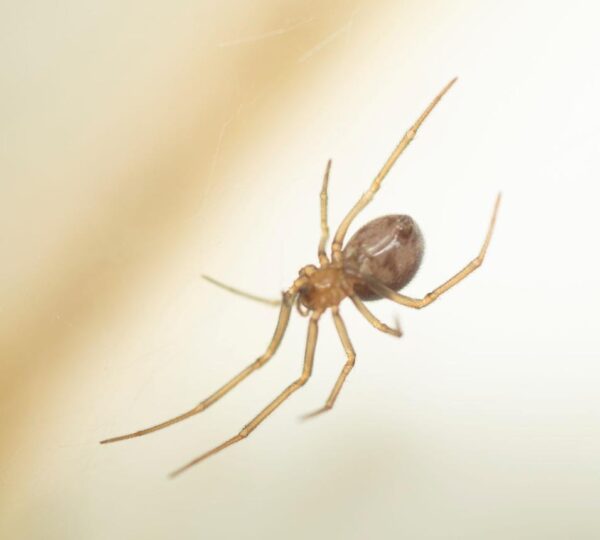
The False Widow spider, scientifically known as Steatoda nobilis, is often mistaken for the Black Widow spider due to superficial visual similarities. Despite the resemblance, key differences significantly reduce the species’ danger to humans.
False Widows are generally smaller than Black Widows and have less distinct markings. Their venom is far less potent, and bites occur infrequently, typically only if the spider feels trapped or provoked.
Bites from False Widow spiders are uncommon and rarely medically serious. When they do occur, localized symptoms can include pain resembling a wasp sting, mild swelling, redness, and temporary discomfort, usually resolving within a short period.
In very rare cases, bites may cause mild systemic reactions, such as low-grade fever, nausea, or prolonged irritation. Severe complications remain extremely uncommon, and medical treatment is primarily symptomatic.
Experts emphasize that increased reports of False Widow sightings in the UK do not necessarily indicate a sudden surge in danger. Rather, these observations often reflect seasonal patterns, environmental changes, and increased public awareness.
Climate shifts have contributed to longer periods of spider activity. Warmer temperatures may extend mating seasons, improve survival rates, and encourage spiders to explore wider areas, sometimes bringing them closer to human dwellings.
Urban expansion has also played a role. As natural habitats shrink, some species adapt by moving closer to homes and buildings, where conditions such as warmth, shelter, and food sources are more consistent.
Media coverage has heightened public awareness. News stories, social media discussions, and online resources have made the False Widow more recognizable, resulting in increased reporting even when actual risk remains minimal.
Practical measures can reduce the likelihood of unwanted indoor encounters. Simple home maintenance, awareness of structural gaps, and management of entry points are effective, non-invasive strategies for minimizing spider presence indoors.
Window management is essential. Keeping windows closed or using fitted mesh screens reduces opportunities for spiders to enter while still allowing ventilation. Evening hours, when spiders are most active, require particular attention.
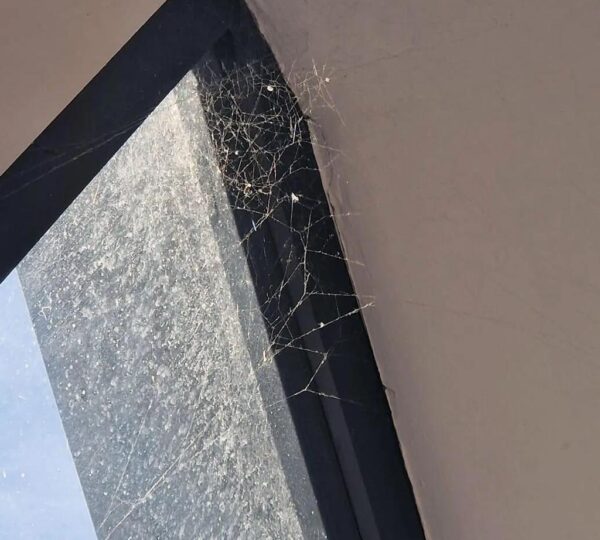
Regular cleaning helps discourage spiders from settling indoors. Dusting corners, window frames, and seldom-used spaces removes potential web anchors, making environments less appealing for spiders seeking shelter and food.
Sealing small gaps around doors, windows, pipes, and vents is a critical preventative measure. Weather stripping, caulk, or similar materials can block easy entry points and significantly reduce indoor spider activity.
Certain natural scents, including peppermint oil, are believed to deter spiders. While results vary, strategically placing essential oil solutions in problem areas may discourage them from establishing webs near human activity.
Vegetation management is also recommended. Plants, bushes, or trees touching exterior walls create pathways for spiders. Maintaining distance between foliage and structures reduces the potential for entry into homes.
Cluttered or undisturbed spaces provide ideal hiding spots. Basements, attics, garages, and storage rooms are commonly favored by spiders. Organization and routine cleaning disrupt potential shelters and minimize web-building opportunities.
Prompt observation helps prevent larger infestations. Monitoring corners, window sills, and other high-risk areas makes it easier to detect spider activity early and address it before populations grow indoors.
If a spider is encountered inside, experts advise a calm approach. Avoid direct contact, gently capture it in a container, and release it outdoors. Pest control services may be consulted if infestations occur.
Medical advice should be sought if a bite causes significant swelling, persistent pain, or signs of infection. While most bites are mild, prompt consultation ensures proper care and peace of mind.
Public perception often amplifies fear. Reports labeling spiders as “venomous” can generate unnecessary alarm. Educating households about the species’ behavior and limited risk promotes informed, measured responses.
Living alongside spiders offers ecological benefits. These arachnids help control populations of other insects, contributing to a balanced household and garden environment while reducing reliance on chemical pest control.

Seasonal awareness without alarm is key. Understanding that increased visibility in late summer and early autumn is a natural part of the spider lifecycle helps residents take preventative steps calmly and effectively.
Cleaning, sealing gaps, managing ventilation, and monitoring vegetation are preventative rather than reactive. Implementing these measures reduces potential encounters while supporting safe coexistence with local wildlife.
Environmental conditions and climate shifts may influence future spider activity. Continued monitoring and research will likely reveal new insights about interactions between common arachnids and human environments.
Understanding these dynamics allows households to adapt habits, prevent accidental encounters, and maintain safe, spider-free interiors while respecting ecological roles in the surrounding environment.
Community awareness campaigns and educational resources emphasize the importance of knowledge over fear. Informing residents about seasonal behavior, identification, and prevention strategies helps reduce anxiety and enhances public safety.
Regularly inspecting the home’s exterior for cracks, crevices, and unsealed vents is recommended. Addressing these structural vulnerabilities is one of the most effective measures for limiting spider access during peak activity periods.
Seasonal lighting and indoor clutter can affect spider behavior. Reducing unnecessary lights near windows at night and minimizing clutter in corners further discourages these arachnids from venturing indoors.

Homeowners are encouraged to document sightings. Photographs and notes help identify species, track seasonal patterns, and inform potential future pest management strategies without relying on exaggerated media reports.
Awareness of regional spider species aids in distinguishing the False Widow from other arachnids. Identification guides and online resources provide visual references and behavioral information for safer, informed responses.
Maintaining cleanliness in storage spaces, especially seldom-used rooms, minimizes hiding spaces. Routine vacuuming and dusting, combined with careful inspection, disrupts web-building opportunities and reduces long-term spider presence indoors.
Pet owners should remain vigilant. Spiders may be disturbed by animals exploring storage areas, increasing the likelihood of encounters. Preventive measures, combined with observation, ensure both human and animal safety.
Understanding mating-related movement explains much of the seasonal visibility. Male False Widows are naturally more exploratory during late summer, which accounts for increased indoor sightings without indicating aggression or intent to bite.
False Widow spiders prefer undisturbed, quiet areas. Gardens, sheds, and outdoor structures often serve as initial habitats, but proximity to homes can result in accidental entry if precautions are not taken.
For most households, a single spider does not indicate infestation. Educating family members about behavior and proper handling reduces unnecessary panic and ensures measured, safe responses.
Medical literature confirms that symptomatic care is usually sufficient for bites. Pain relief, cold compresses, and topical treatments address localized reactions effectively, with systemic complications being exceedingly rare.
Monitoring seasonal patterns helps anticipate periods of increased activity. Residents who remain informed about mating and migration behaviors can proactively adjust cleaning routines and structural maintenance to reduce potential encounters.
False Widow spiders are an integral part of the ecosystem. By controlling insect populations and participating in natural ecological cycles, they contribute to the balance of local environments while posing minimal human risk.
Seasonal awareness and preparation, rather than alarm, are emphasized. Simple home management, including cleaning, sealing gaps, and vegetation control, effectively limits the likelihood of unwanted indoor interactions with spiders.
As environmental conditions continue to evolve, monitoring and research will provide insights into how arachnids adapt to human environments. Adaptive strategies for households ensure continued safe coexistence.
Education, measured precautions, and responsible pest management remain the cornerstone of safe living with spiders. By focusing on knowledge, households can maintain comfort without resorting to fear or overreaction.
Residents are reminded that spider activity, including that of the False Widow, is largely predictable. Recognizing the species’ life cycle, mating patterns, and seasonal movement helps create safe and informed environments.
Ultimately, understanding spider behavior, implementing simple preventive measures, and maintaining calm ensures that encounters remain rare and manageable. Awareness, not alarm, provides the most effective approach.
By combining ecological knowledge, basic home maintenance, and measured response strategies, residents can live harmoniously alongside spiders while protecting themselves and minimizing unnecessary risk.
