When my best friend Kelly asked me to watch her 8-year-old son Thomas for a night, I agreed without hesitation. I loved spending time with her child and trusted her completely, feeling excited for a fun evening.
My husband, Ryan, seemed oddly resistant when I told him I would babysit. His expression was tight, his voice unusually clipped. I couldn’t understand it. I brushed it off, attributing it to mood swings or fatigue from work.
That night at Kelly’s house, everything seemed ordinary at first. Thomas played quietly with his toys, ate his dinner, and shared stories about school. His energy and imagination reminded me of the pure innocence of childhood.
Later, as I carried a sleeping Thomas to bed, his shirt lifted slightly. A small, crescent-shaped birthmark on his side caught my eye. My stomach twisted immediately. The mark looked exactly like Ryan’s, unmistakably similar.

I froze for a moment, my mind racing. Could it be coincidence? I glanced closer, then noticed more features—the shape of his eyes, the curve of his nose, and even the subtle tilt of his smile.
Panic and disbelief collided inside me. I tried to rationalize it. Maybe Ryan and Kelly were joking. Perhaps I was imagining connections where none existed. But deep down, I knew the resemblance went far beyond imagination.
The following morning, my heart heavy, I collected Thomas’s spoon from breakfast and a strand of Ryan’s hair from our bathroom. I felt guilty, intrusive, but the unease in my chest demanded action.
I sent both samples to a reputable DNA testing service, choosing one with high accuracy and verified certification. I waited anxiously, struggling to focus on my daily routine, while a knot of dread settled permanently in my stomach.
Days passed slowly. Every little thing reminded me of the possible truth I was avoiding. Thomas laughed in my memory, Ryan’s face flashed before me, and I kept imagining the test result, bracing for the inevitable.
A week later, the email arrived. I opened it with trembling hands. My eyes widened in shock: 99.9% probability Ryan was Thomas’s biological father. My world crumbled instantly, and I felt a dizzying mix of betrayal, anger, and fear.

I couldn’t process it alone. I called both Ryan and Kelly, insisting they come over immediately. My voice was firm yet shaking. Something in me knew the truth had to be confronted face-to-face, despite the pain.
When they arrived, I guided them into the living room. I sat down, placing my laptop open on the coffee table, showing the DNA results. Ryan froze completely. His eyes widened, his hands fell limply by his sides.
Kelly sat next to him, tears forming immediately. She had already known the truth, but seeing the official confirmation brought everything crashing into sharp focus. Her fingers trembled as she covered her mouth, unable to speak at first.
They began to confess. Ryan had been involved with Kelly in high school, a brief and complicated relationship. Kelly became pregnant, but Ryan didn’t know about Thomas until years later. They had hidden the truth from me for fear of destroying our friendship.
I felt my chest tighten as the weight of their confession sank in. I had trusted both of them completely, and the foundation of my life seemed to fracture in an instant. Betrayal pulsed through every fiber of my being.
I cried quietly, overwhelmed by the shock, anger, and grief. My mind replayed moments from the past, wondering if there were subtle signs I had missed, if the resemblance had been staring me in the face all along.
Yet, amid the pain, I thought of Thomas. He had no knowledge that his father lived under the same roof as the woman he trusted most. He deserved the truth, not silence, and I resolved that his well-being must come first.

I turned to Ryan, my voice trembling yet firm. I told him he owed Thomas the opportunity to know him, to build a relationship. I emphasized that their past indiscretions did not erase the responsibility of fatherhood.
Kelly nodded, wiping her tears. She agreed to let Ryan bond with Thomas gradually, understanding the importance of timing and emotional sensitivity. She valued Thomas’s stability above all, despite her own shock and heartbreak.
I didn’t forgive them immediately. Trust had been broken in a way that cut deeply. Yet, leaving was not an option. I felt anchored by a sense of moral duty—to Thomas, to honesty, and to preserving some semblance of family continuity.
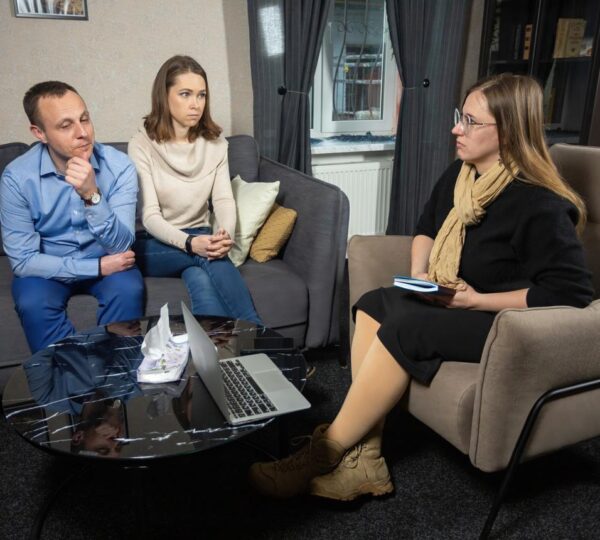
We began navigating this complex reality with care. Therapy became a critical tool for all three adults involved, providing a space to process emotions, explore boundaries, and develop strategies for rebuilding fractured trust.
Boundaries had to be established carefully. Ryan needed to define his role without overstepping, Kelly needed assurance of her child’s stability, and I needed space to process the betrayal without resentment consuming every interaction.

As the weeks unfolded, small steps became crucial markers of progress. Thomas responded positively to Ryan’s gentle presence, his curiosity piqued, yet his innocence preserved. He gradually began forming tentative bonds, unaware of the full history that preceded these moments.
I monitored these interactions closely, balancing my protective instincts with the understanding that Thomas deserved the chance to know his father. Every shared smile, every laugh, became a tiny milestone, fragile yet deeply meaningful.
Ryan took accountability seriously. He consistently demonstrated patience, respect, and sincerity. He accepted the consequences of his past actions while striving to build a positive relationship with Thomas, understanding the immense responsibility he had long avoided.
Kelly’s approach emphasized careful pacing. She allowed Ryan to engage in small activities initially, like reading bedtime stories or playing board games, gradually expanding the relationship as trust and comfort grew naturally.
Communication between the adults became paramount. We held weekly discussions to evaluate Thomas’s emotional state, our own reactions, and the steps necessary to ensure a safe, stable, and supportive environment for him.
I found solace in clarity. Though anger lingered, processing the truth with transparency allowed me to approach the situation logically. I focused on what was controllable—how we all interacted with Thomas and managed the integration of Ryan into his life.
Emotionally, the journey was tumultuous. I faced waves of grief over the life I believed I had, mourning the illusions that had shaped my expectations of marriage, friendship, and family life.
Yet, within that grief, I discovered resilience. I realized that my strength wasn’t defined by ignoring betrayal but by facing it, confronting it, and navigating the consequences with honesty and intention.
One of the most challenging aspects was managing public perception. Though not widely known, friends and extended family would inevitably notice changes. We had to carefully decide what information to share and when, prioritizing Thomas’s privacy above curiosity or gossip.
As months passed, subtle moments offered hope. Thomas smiled more easily at Ryan, seeking his advice during homework or offering casual hugs. These gestures, though small, signaled trust, connection, and the beginnings of a genuine father-son relationship.
We attended therapy together as a blended unit at times, exploring the complexities of forgiveness, accountability, and emotional attachment. Each session revealed nuances about trust, communication, and empathy that we had previously underestimated.
I learned that forgiveness doesn’t imply forgetting. It means acknowledging harm, processing pain, and choosing intentional behavior that prioritizes growth and healing, even in the absence of full emotional closure.
Ryan, for his part, consistently demonstrated humility. He acknowledged the years lost with Thomas, expressed regret, and committed fully to cultivating a meaningful, honest relationship without trying to erase the past.
Kelly’s courage in allowing the father-son relationship to develop slowly was remarkable. She managed her own emotions while prioritizing Thomas’s needs, balancing love, caution, and openness with remarkable grace and resilience.
I observed patterns emerge. Thomas began to seek Ryan’s guidance in small ways, signaling emotional attachment. His curiosity about shared interests and playful mimicry reflected natural bonding, even as the history remained unspoken to him.
The dynamic between the adults evolved, too. Communication improved, with regular check-ins regarding Thomas’s well-being, scheduling consistency, and emotional support. Accountability became less about blame and more about responsible co-parenting.
Gradually, I discovered a new understanding of family. Traditional definitions expanded to include honesty, blended roles, and relationships built intentionally, rather than solely through history or assumed permanence.
The entire experience forced me to confront assumptions about marriage, friendship, and trust. It was a painful, transformative lesson in human complexity, emphasizing that life rarely unfolds as expected.
I also reflected on my role in Thomas’s life. Babysitting for a night had revealed truths I never anticipated, highlighting how one small act can uncover realities that reshape multiple lives in profound ways.
While anger and grief remained, moments of clarity allowed me to focus on what mattered most: Thomas’s emotional stability, Ryan’s active engagement, and Kelly’s unwavering support, creating a foundation for growth and healing.
We implemented gradual exposure for Thomas. He spent afternoons with Ryan, participated in supervised playdates, and engaged in activities emphasizing connection without overwhelming him. Progress was steady, measured, and emotionally considerate.
I observed firsthand how honesty transforms relationships. Though painful, the revelation allowed us to restructure interactions authentically, ensuring that Thomas’s understanding and trust were built on truth rather than omission.
The road is far from easy. Misunderstandings, lingering resentment, and moments of doubt continue to surface, reminding us that healing is nonlinear, slow, and requires constant emotional labor.
Yet, amid the complexity, there is hope. Thomas experiences love from multiple adults, each committed to his well-being, showing that even fractured situations can evolve into supportive, nurturing environments when honesty guides decisions.
In moments alone, I reflect on the irony of one night of babysitting. What began as a simple favor became a catalyst for transformative change, uncovering truths that shaped relationships, trust, and family dynamics in ways unimaginable.
Therapy sessions often highlighted the importance of boundaries. Defining appropriate involvement, emotional sharing, and personal space became critical, ensuring that progress was sustainable without overwhelming any individual.
Celebrating small victories became essential. Each smile, shared laugh, or voluntary hug from Thomas represented incremental steps in building trust, signaling that the foundation for father-son connection was strengthening despite the turbulent backstory.
Ryan’s consistent effort reinforced accountability. By showing up reliably, engaging in thoughtful conversation, and demonstrating patience, he began earning trust from Thomas and, slowly, from me, highlighting the power of intentional, sustained action.
Kelly’s vigilance ensured emotional safety. She monitored interactions, encouraged open dialogue, and maintained stability in Thomas’s daily life, preventing the sudden introduction of past secrets from overwhelming him emotionally.
I realized personal growth emerges from crisis. Facing betrayal, unexpected truths, and emotional complexity forced me to evaluate my values, prioritize transparency, and navigate relationships with a depth I had not previously known.
As the family adjusts, a delicate equilibrium has formed. Each adult occupies a role defined by honesty, care, and accountability, and each interaction contributes to a broader effort to create trust, emotional safety, and long-term connection.
Thomas’s awareness evolves naturally. While he remains too young to comprehend all details, he senses stability, consistency, and love, which are far more significant in shaping his emotional foundation than any abstract explanation.
Over time, resentment gradually shifted toward cautious acceptance. Not forgiveness, but a willingness to work within new circumstances, balancing personal boundaries with the responsibility of supporting a child navigating complex family dynamics.
I acknowledge the permanence of change. Our lives, previously predictable, have been irrevocably altered. Yet, within this transformation lies opportunity: for honesty, personal growth, and cultivating relationships that reflect integrity, care, and truth.
In the evenings, I watch Ryan and Thomas play quietly, sharing simple activities. The moments are ordinary yet profound, representing a fragile yet genuine connection, built upon honesty, patience, and a shared commitment to positive engagement.
Kelly and I discuss progress openly. We celebrate small wins, recalibrate when challenges arise, and constantly prioritize Thomas’s emotional health, understanding that his development depends on our ability to act responsibly, thoughtfully, and consistently.
This journey has illuminated human complexity. Relationships involve layered histories, hidden truths, and unpredictable revelations, all of which demand reflection, compassion, and careful management when multiple lives intertwine unexpectedly.
I’ve learned that trauma, when handled with honesty and care, can create pathways to resilience. Thomas’s experience, though marked by delayed truth, can foster emotional maturity, trust-building skills, and understanding of accountability in relationships.
Ryan’s commitment demonstrates the impact of proactive engagement. By showing up authentically and consistently, he models reliability, empathy, and responsibility, essential traits for cultivating lasting, meaningful connections with a child discovering his father for the first time.
Kelly’s strength remains central. Her willingness to integrate Ryan thoughtfully, while safeguarding Thomas’s emotional needs, exemplifies the delicate balance between forgiveness, protection, and creating opportunities for healthy relationships.
Through this journey, I’ve discovered the importance of transparency, boundaries, and emotional intelligence in managing blended family dynamics. Each decision, small or large, contributes to the child’s sense of stability and trust in adult caregivers.
While grief and anger are ongoing companions, hope steadily grows. Each day offers new chances to build honest relationships, create nurturing environments, and demonstrate that even after deception, integrity can emerge through sustained effort.
Ultimately, what began as a single night of babysitting has reshaped lives. Thomas now benefits from the presence of his father, the guidance of his mother, and the support of a trusted friend, forming a foundation built on truth and care.
