
The entertainment world is mourning the loss of Carrie Anne Fleming, a Canadian actress celebrated for her versatility across television, film, and stage. Fleming passed away at the age of 51, after a courageous battle with breast cancer.
Her death occurred on February 26 in Sidney, British Columbia, though it was publicly confirmed by her family and representatives a month later. Jim Beaver, her co-star from Supernatural, confirmed the news to Variety, noting complications related to the illness.
“She died peacefully with her loved ones by her side,” stated her representative. “Carrie was a beautiful soul, inspiring, and above all, kind. Her talent and warmth touched everyone, and she will be profoundly missed.”
Carrie Anne Fleming was born on August 16, 1974, in Digby, Nova Scotia. She moved during childhood to Victoria, British Columbia, where she attended Mount Douglas Senior Secondary School and developed an early interest in performing arts.

Her family life was shaped by her parents’ separation when she was two years old. She was primarily raised by her mother, while her father, a former model turned pilot and yacht captain, lived a more nomadic lifestyle in Florida.
Fleming’s father’s early modeling career influenced her sense of ambition. Inspired to pursue creative work, she relocated to Vancouver, initially exploring modeling but quickly discovering that acting and performance were her true calling.
Early instructors recognized her innate talent. Dance and drama teachers noted her natural charisma and stage presence. Dama Hanks, her teacher, described her in 2012 as possessing a “fresh face” that immediately captured attention in auditions and performances.
John Gray, the creator of Ghost Whisperer, praised her as a “low-maintenance performer” who consistently impressed directors with professionalism, focus, and ease, making her a reliable collaborator on sets large and small.
Fleming’s early career included roles in television series such as Viper, where she demonstrated her adaptability in action-oriented programming. These experiences laid the foundation for her later work in both television and horror genres.

She also appeared in the Adam Sandler comedy Happy Gilmore, a small but memorable role. During production, rumors circulated that Fleming and Sandler were romantically involved, though she clarified that their relationship was strictly platonic.
Fleming explained, “I wouldn’t call it dating. I brought him milkshakes, and we hung out. He was really nice, and it was exciting to see him on the precipice of fame. One time, he was speaking to Chris Farley on the phone.”
Her significant breakthrough came in the horror genre in 2005 when Dario Argento, the legendary Italian director, cast her in Masters of Horror. She played the disfigured, cannibalistic character Jenifer, earning acclaim for her chilling and committed performance.
The role solidified her reputation in horror and showcased her ability to portray complex, psychologically demanding characters. She later appeared in films such as The Tooth Fairy and Bloodsuckers, continuing to explore dark, transformative roles.
Despite her success in film, many fans remember Fleming for her work on television. She portrayed Karen Singer on Supernatural, the wife of Jim Beaver’s Bobby Singer, a role that became beloved for its warmth, humor, and relatability across multiple seasons.
Her character on Supernatural, while supporting, had a lasting impact on the show’s narrative and audience connection, demonstrating Fleming’s ability to bring depth and nuance to smaller but pivotal roles in long-running series.
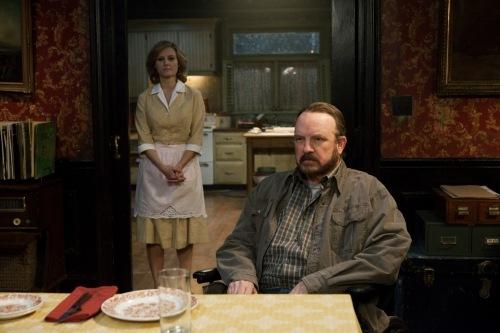
Fleming also played Candace Cameron Bure’s mother in the 2015 television movie The Unauthorized Full House Story, further showcasing her versatility in both dramatic and biographical storytelling contexts, highlighting her adaptability across genres.
In recent years, she held a recurring role as Candy Baker on iZombie, appearing over five seasons. This role allowed her to engage with younger audiences and demonstrate her range in modern, serialized television storytelling.
Beyond screen work, Fleming remained dedicated to stage performance in British Columbia. She appeared in classic theatrical productions, including Noises Off, Romeo and Juliet, Steel Magnolias, and Fame, demonstrating a lifelong passion for live performance.
Her stage work earned praise from directors and audiences alike. Fleming’s commitment to theater allowed her to explore character development in depth, refine her craft, and maintain strong connections with local performing arts communities.
Friends and colleagues often remarked on her warmth and professionalism. Jim Beaver, reflecting on their collaboration, described their immediate bond and shared experiences, including the coincidence of both having daughters named Madalyn, which strengthened their friendship.

Beaver also noted her infectious energy, describing her as a “powerhouse of vitality and goodwill” with a “rapturous laugh” and an “adorable personality that didn’t seem to have an off switch,” highlighting her impact on those around her.
Fleming’s legacy extends beyond her professional accomplishments. She was known for kindness, generosity, and mentorship, often supporting younger actors and peers in navigating the entertainment industry with integrity and confidence.
Her personal life included being a devoted mother. She is survived by her daughter, Madalyn Rose (Max), whose presence provided her with joy and inspiration throughout her life and career, reflecting the balance she maintained between family and professional commitments.
Fleming’s work in horror, television, and stage demonstrates a career defined by versatility, commitment, and authenticity. She successfully transitioned across mediums while maintaining the qualities that made her stand out to directors and audiences alike.
The impact of her performances is remembered not only through roles but also through her professionalism. Directors, co-stars, and crew members consistently emphasized her focus, reliability, and collaborative spirit, traits that made her a valued presence on set.
Throughout her career, Fleming navigated public perception with grace. She addressed rumors and media speculation with honesty, often clarifying misconceptions while maintaining a focus on her work and the art of performance rather than celebrity.

Her early life challenges, including parental separation and relocation, shaped a resilient, independent individual capable of pursuing ambitious goals while remaining grounded, reflective, and empathetic in her interactions with colleagues and audiences.
Fleming’s legacy also includes advocacy for arts education. She often spoke of the importance of training, mentorship, and supporting young performers, emphasizing that talent must be nurtured with discipline, encouragement, and exposure to diverse performance opportunities.
Her portrayal of complex, nuanced characters contributed to Canadian arts and television. Fleming’s performances consistently highlighted subtle emotional dynamics, offering audiences a layered understanding of human experience across genres including horror, drama, and comedy.
Colleagues remember her as a warm presence, capable of balancing intense focus on craft with levity and humor, making her a joy to work with and fostering positive environments on set and in rehearsal spaces.
Despite facing health challenges in her later years, Fleming remained committed to her craft, continuing to take on roles and engage with the arts community, demonstrating remarkable perseverance and dedication to her profession.
Her stage performances in productions such as Romeo and Juliet and Steel Magnolias reflect her deep understanding of classical and contemporary theater, showcasing the breadth of her abilities and commitment to the art form beyond screen acting.
Carrie Anne Fleming’s approach to character work emphasized authenticity. She sought to inhabit roles fully, respecting scripts while contributing her own interpretive insights, which often elevated performances and created memorable, resonant experiences for audiences.
Her death prompted tributes from fans, colleagues, and the entertainment industry, all highlighting not only her talent but her integrity, kindness, and the positive influence she had on everyone she encountered during her career.
Jim Beaver’s tribute, shared on social media, reflected a deep personal and professional connection, emphasizing her warmth, sense of humor, and the remarkable energy she brought both on set and in daily life with those around her.
Fleming’s work remains influential. Aspiring actors and performers study her performances as examples of professionalism, versatility, and depth, illustrating how dedication to craft and authenticity can resonate across media and leave lasting impressions.
Her contributions to Canadian television and film, along with her stage work, highlight the importance of regional arts communities in nurturing talent and creating opportunities for performers to develop skills and achieve professional success.
Carrie Anne Fleming’s life story is a testament to resilience, creativity, and the pursuit of passion despite personal and professional challenges, offering inspiration to those navigating complex careers in performance arts.
Her career trajectory, from early modeling to acclaimed television and stage performances, reflects a deliberate cultivation of skills, adaptability, and the ability to navigate an industry known for both opportunity and intense competition.
Fleming’s impact on genre television, particularly in horror and family-oriented productions, demonstrates her versatility. She transitioned seamlessly between roles requiring vulnerability, intensity, humor, and empathy, leaving an indelible mark on audiences and collaborators.
In addition to her professional achievements, Fleming maintained strong ties to her local arts communities in British Columbia, frequently supporting theaters, mentoring actors, and participating in charitable initiatives related to arts education and performance.
Her dedication to craft, coupled with personal warmth, left a legacy that will continue to influence performers, directors, and audiences for years to come, ensuring that her contributions to television, film, and theater are remembered and celebrated.
Carrie Anne Fleming’s passing at 51 is a profound loss to the entertainment industry. Her family, friends, colleagues, and fans continue to honor her memory by celebrating her life, performances, and the kindness she shared so generously.
She is survived by her daughter, Madalyn Rose, whose presence serves as a living testament to Fleming’s love, dedication, and nurturing spirit, reflecting the personal legacy she leaves behind alongside her professional accomplishments.
Through her diverse body of work, Carrie Anne Fleming exemplified commitment, authenticity, and artistry. Her performances across stage, television, and film continue to inspire, ensuring that her influence endures within Canadian and international entertainment communities.
