
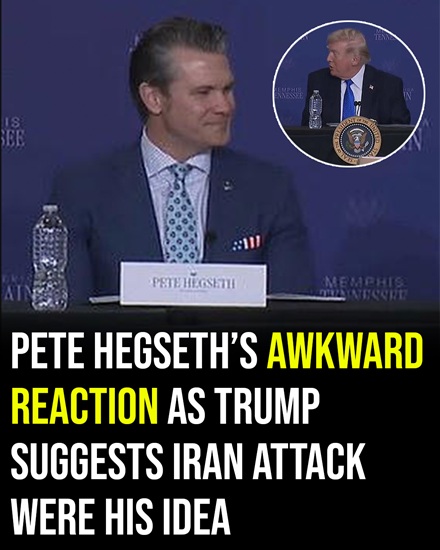
Tensions between the United States and Iran have escalated significantly in recent months amid Iran’s domestic unrest and Washington’s concern over Tehran’s policies, particularly its nuclear ambitions and human rights record.
Iran has faced widespread anti‑government protests sparked in late 2025 by an economic crisis that has eroded living standards and brought large sections of society onto the streets.
The protests, among the largest since Iran’s 1979 revolution, triggered a severe government crackdown, drawing international criticism and raising U.S. political and strategic alarm.
In response to the unrest, U.S. officials have repeatedly condemned Tehran’s use of force against demonstrators and signaled willingness to take action if violence escalates further.
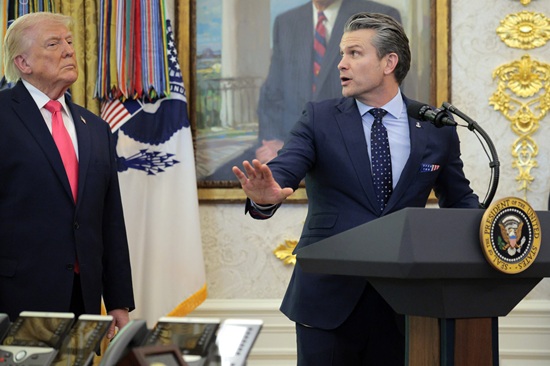
President Donald Trump has publicly stated that the United States is prepared to defend human rights and deter violence in Iran, although he has stressed a preference to avoid open conflict.
As part of this posture, the U.S. has moved significant naval assets toward the Middle East, including carrier strike groups and supporting warships, in a demonstration of strategic deterrence.
On January 22, 2026, President Trump confirmed that an “armada” was heading toward the region, while emphasizing that he hoped it would not need to be used in combat.
U.S. military officials say these deployments are intended to bolster defense and provide options, not necessarily to initiate offensive operations against Iran.
Iranian leaders have publicly dismissed U.S. warnings as psychological pressure and have warned that any military action against Iran would prompt a “decisive” response.
Tehran has increased patrols and military readiness along the Persian Gulf and Strait of Hormuz, emphasizing its intent to defend national sovereignty against perceived external threats.
The Strait of Hormuz, a critical maritime chokepoint for global oil trade, has been at the center of concern, because disruption there could affect world energy markets.
Despite diplomatic tension, U.S. officials have urged citizens in Iran to leave the country due to unpredictable conditions and limited consular access.
The State Department’s travel warnings reflect broader concerns about security risks for foreign nationals amid continued Iranian unrest and regional tensions.
Analysts say that while direct military confrontation remains unlikely, the potential for miscalculation or escalation persists if provocations continue from either side.
International efforts to de‑escalate have included diplomatic dialogue and indirect talks, aimed at addressing long‑standing disagreements, including Iran’s nuclear program.
Iran and U.S. representatives have engaged in intermittent negotiations in forums such as Geneva, seeking to balance military posturing with diplomatic progress.
Economists warn that prolonged instability in the region, especially if maritime routes are threatened, could lead to higher oil prices and wider economic ripple effects.
Oil markets have already experienced volatility due to fears of disruptions in the Strait of Hormuz, which handles a significant portion of global crude exports.
Rising energy costs could contribute to inflationary pressures worldwide, affecting consumers and businesses far beyond the Middle East.
Some U.S. lawmakers and commentators have voiced concerns about a large‑scale military intervention, noting both economic costs and limited public support for new wars.
Polling data indicates that a majority of Americans remain skeptical about an expanded military role in Iran without clear justification or broad international backing.
Regional governments, including U.S. partners in the Gulf, have expressed unease about the tensions, emphasizing the need to avoid a broader conflict.
The European Union and United Nations have both called for restraint and encouraged diplomatic engagement to defuse the situation peacefully.
Iran continues to assert its right to defend its territory and interests, rejecting accusations that it seeks nuclear weapons while criticizing U.S. sanctions and pressure tactics.
Tehran insists that sanctions and foreign threats exacerbate domestic hardships experienced by ordinary Iranians, further inflaming public discontent.
The economic crisis in Iran has seen inflation rise sharply, widespread unemployment, and significant portions of the population living below the poverty line.
Experts say that without meaningful reform or economic relief, social unrest is likely to persist, complicating efforts to stabilize the country internally and diplomatically.
U.S. military leaders have emphasized readiness and deterrence, while insisting that defensive measures remain the priority amid uncertain regional dynamics.
Despite the fraught environment, both Washington and Tehran have signaled willingness to continue talks on issues ranging from nuclear oversight to regional security.
Diplomats caution that genuine progress requires concessions from both sides, as well as cooperation from other international stakeholders.
The situation remains fluid, with developments closely watched by governments, markets, and global audiences concerned about long‑term stability in the Middle East.
As tensions persist, analysts stress the importance of measured communication, strategic diplomacy, and avoidance of inadvertent escalation that could trigger broader conflict.
The coming weeks may prove critical in determining whether military posturing gives way to negotiated solutions or whether uncertainties deepen regional and global risks.

