
Body transformation and perceptions of thinness have always been sensitive topics, but in the age of social media, they have become even more exposed, directly affecting how individuals perceive themselves and their overall health.
Images of extremely thin bodies often provoke mixed reactions, ranging from genuine concern to misinterpretation as an aesthetic ideal, which can create confusion about what constitutes a truly healthy and functional body.
In reality, extreme thinness is rarely a result of a healthy lifestyle; it often reflects serious underlying issues such as eating disorders, which require professional attention, careful monitoring, and structured treatment plans.
Eating disorders like anorexia nervosa are characterized by severe restriction of food intake, an intense fear of gaining weight, and a distorted body image, leading to significant physical and psychological consequences over time.
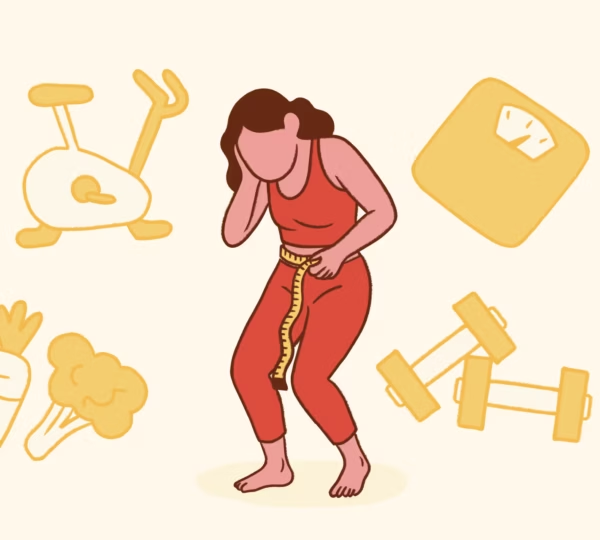
The human body requires consistent energy and essential nutrients to function properly, and a prolonged lack of calories or vitamins can disrupt cardiovascular, hormonal, digestive, and multiple other vital systems.
One of the most visible signs of extreme thinness is significant loss of muscle mass, which weakens physical strength and reduces the body’s capacity to perform everyday activities safely and efficiently.
Low body fat levels can also interfere with hormone production, resulting in menstrual cycle irregularities in women and metabolic complications affecting both sexes in the long term.
Mental health is critically impacted as well, as individuals experiencing extreme thinness often suffer from anxiety, depression, and social isolation, which further complicates the process of recovery and self-management.
Pressure to meet certain beauty standards often begins in adolescence, exposing young people to idealized body images that do not reflect the reality of most individuals and can distort self-perception.
Social media plays a substantial role in this phenomenon, with filtered and edited content creating an artificial reality that can negatively affect self-esteem and personal body image.
Many users compare their own bodies to these unrealistic portrayals, feeling pressured to achieve standards that are frequently unattainable, unhealthy, and potentially dangerous to pursue.

In this context, it is crucial to understand that health is not determined solely by body weight but through a combination of factors including nutrition, physical activity, and mental well-being.
Experts emphasize a balanced approach to eating, which includes a variety of foods that supply essential vitamins, minerals, and adequate energy necessary for optimal body function and development.
Physical activity should be moderate and tailored to individual needs, avoiding extremes that may damage the body rather than enhance strength, endurance, or overall health.
Adequate sleep is another essential component of health, as it supports body recovery, cognitive function, hormone regulation, and the maintenance of normal physiological processes.
Social support is equally important, as individuals who feel encouraged and accepted by family, friends, or peers are more likely to cope effectively with challenges related to body image and health pressures.
Education about nutrition, physical activity, and mental health should begin early, helping young people develop a healthy relationship with food and a realistic understanding of their bodies.
Awareness campaigns promoting body diversity and self-acceptance have emerged, challenging narrow beauty standards that have dominated public perception and media portrayals for decades.
However, changing societal perceptions is a gradual process, requiring continuous effort from individuals, educational institutions, policymakers, and the media alike to create meaningful impact.
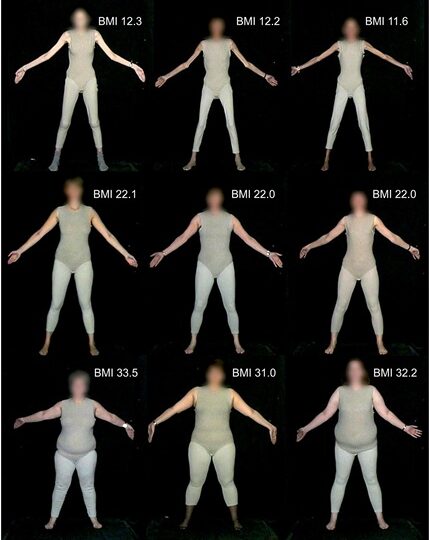
Extreme body transformations are often portrayed as success stories, but careful evaluation is necessary to determine whether such changes are genuinely healthy or potentially harmful.
Not every physical change is beneficial, and rapid weight loss can serve as a warning sign, highlighting the urgent need for professional consultation and medical oversight.
Healthcare professionals stress the importance of consulting doctors, dietitians, or certified nutritionists before undertaking drastic lifestyle changes to ensure safety and avoid long-term health complications.
Self-monitoring through medical check-ups, blood tests, and regular health assessments can help detect early warning signs, prevent complications, and maintain an accurate understanding of one’s overall health status.
A sustainable approach to health involves setting realistic goals, adopting gradual changes, and avoiding extreme diets or fitness routines that promise rapid but potentially unsafe results.
Well-being should always integrate physical, emotional, and psychological health, prioritizing energy levels, mood stability, and the overall quality of life alongside physical appearance.
If an individual experiences persistent weakness, fatigue, or unusual health issues, seeking professional guidance immediately is essential to prevent worsening conditions and ensure timely intervention.
Media influence is critical in shaping societal perceptions, and promoting realistic, balanced representations of bodies can reduce social pressure while enhancing self-confidence and body positivity.
Individuals should develop critical thinking skills regarding media content, learning to question and contextualize the images and messages they consume rather than accepting them as absolute standards.
Awareness of image manipulation, filters, and unrealistic editing can foster healthier perspectives, helping individuals appreciate their bodies without unnecessary comparisons to unattainable ideals.
Health is not a competition, and the journey should reflect personal needs, respecting each person’s pace and biological individuality rather than conforming to external pressures or fleeting trends.
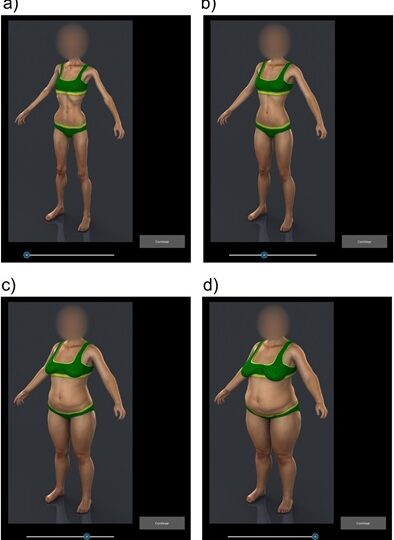
Every body is unique, requiring personalized care and lifestyle choices to achieve and maintain optimal health, mental clarity, and long-term resilience against illness or injury.
Ultimately, extreme thinness should not be glamorized; it is a condition that may carry serious consequences, and understanding its implications is vital for responsible public health awareness.
A healthy body is one that functions efficiently, provides energy for daily life, and supports active engagement in work, recreation, and social interactions without compromising well-being.
Promoting health and holistic wellness should be a universal priority, emphasizing self-care, informed choices, and mental resilience over superficial notions of perfection or societal beauty ideals.
This approach builds a healthier society, fostering an environment in which individuals feel secure, accepted, and empowered to take care of their bodies without judgment or stigma.
Discussions about body transformation can thus serve as educational opportunities, raising awareness and encouraging healthier decisions regarding nutrition, fitness, and mental well-being across all age groups.

