
One of the most significant developments of the social media era has been the ability to share information at unprecedented speed, enabling warnings, alerts, and potentially life‑saving advice to spread around the world within minutes.
In many cases, this rapid exchange of knowledge has helped people avoid danger, seek medical help faster, or understand unfamiliar phenomena they might otherwise dismiss as harmless or irrelevant to their safety.
Some of the most important social media warnings emerge from everyday situations that quickly turn serious, as happened with a Florida family whose teenage son suffered a severe reaction after a seemingly innocent outdoor encounter.
Andrea Pergola, a mother and active social media user, shared her family’s frightening experience in hopes of educating others about a dangerous caterpillar species that she believes should be more widely known.
Her son, 15‑year‑old Logan, was volunteering outdoors one afternoon when an incident that seemed minor at first rapidly escalated into a frightening medical emergency that sent him to the hospital.
According to Andrea’s account, the situation began when Logan was gathering tree branches as part of his volunteer work in their community, enjoying the physical activity and time spent outside without any immediate cause for concern.
While working near fallen limbs and brush, Logan suddenly felt a brief, sharp sting on his arm — a momentary pain that was over almost as quickly as it had begun, leaving him unsure of what had caused it.
Within minutes of the sting, however, Logan noticed an unusual and disturbing red mark forming on his skin: a grid‑like pattern that spread outward and raised immediate concern in his mother, who had never seen anything like it before.
Andrea observed that the unusual mark quickly developed into a rash that grew more extensive and intensified in appearance, prompting her to clean Logan’s arm and try basic first‑aid measures at home.
In an attempt to alleviate his discomfort, Andrea washed the area carefully and applied garlic, a home remedy commonly believed by some to help with insect stings, though medical professionals do not generally recommend it for venomous bites or stings.
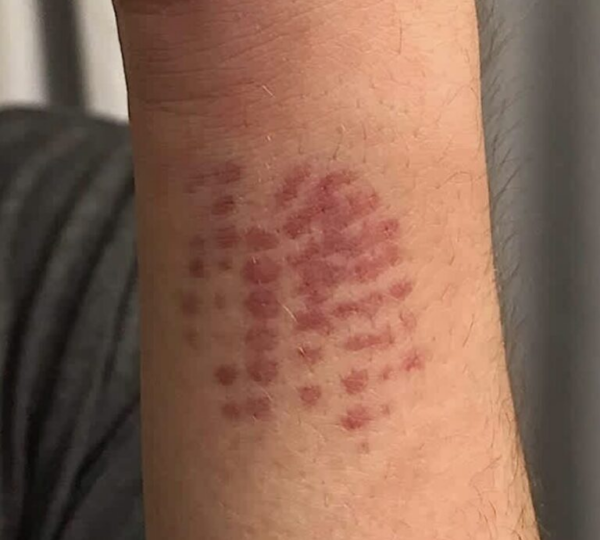
Despite her best efforts, however, the rash continued to spread and Logan began displaying additional symptoms that alarmed his family, including severe pain, paleness, and lightheadedness that suggested a more serious reaction.
Andrea described the pain as escalating rapidly, spreading up Logan’s arm toward his chest, turning what began as a minor sting into an intense and frightening medical challenge in a very short time.
As the rash worsened and Logan’s overall condition became more concerning, the family knew they needed to identify what had caused the sting and determine the best course of action to ensure his safety and health.
Logan’s grandfather took a careful approach to search the surrounding area for the creature responsible, donning heavy gloves to protect himself before investigating the spot where his grandson had been working.
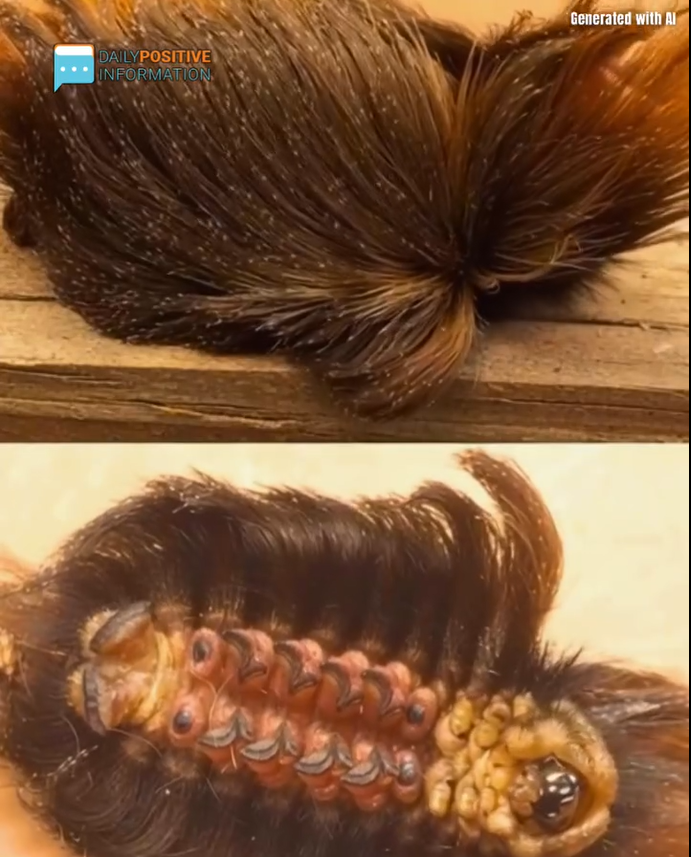
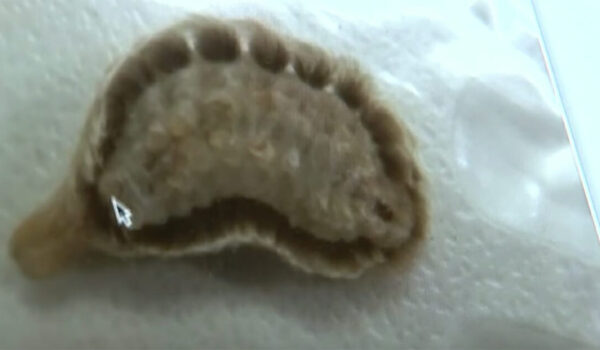
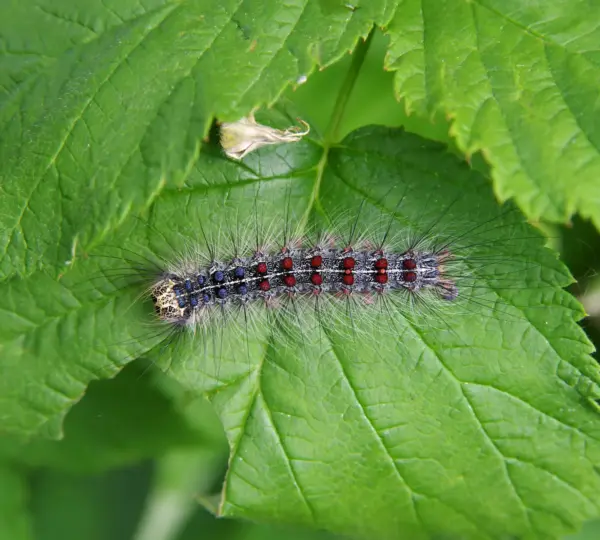
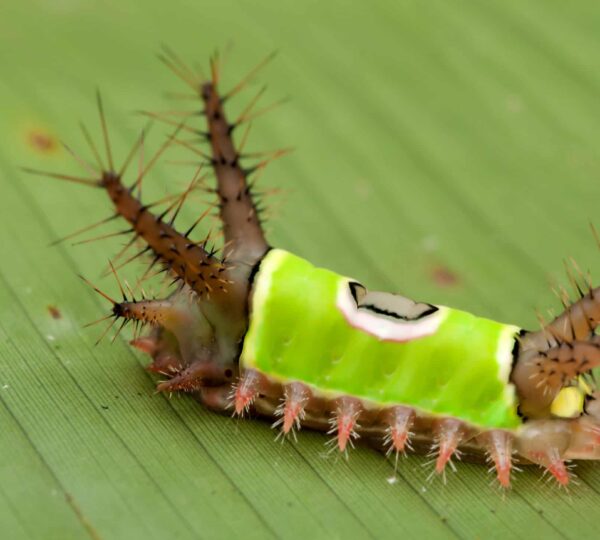
Shortly thereafter, the grandfather located the offending insect — a caterpillar that looked fluffy, oddly “cute,” and deceptively harmless at first glance, far from the image most people associate with danger or venom.
Upon closer inspection, however, the family realized that the caterpillar was not harmless at all; instead, it appeared to be one of the most toxic species found in North America, known to deliver painful and dangerous stings to unwary humans.
After discovering the caterpillar, Andrea immediately turned to online research to identify the creature, consulting field guides, entomology databases, and authoritative resources to understand its name and associated risks.
What she found alarmed her: this type of caterpillar, although not previously common in Florida, has been documented in other southern states and is capable of causing severe skin reactions, pain, and systemic symptoms in those who come into contact with it.
Realizing that proper medical treatment was essential, Andrea quickly drove Logan to a nearby emergency room, where doctors could evaluate the extent of his reaction and administer appropriate care tailored to venomous insect exposure.
At the hospital, medical professionals examined Logan’s rash, checked his vital signs, and monitored him for signs of complications, emphasizing that over‑the‑counter treatments like Benadryl would not have been sufficient in his condition.
Doctors explained that venomous bites or stings from certain insect species can trigger intense inflammatory responses, tissue damage, and systemic symptoms that require medical evaluation beyond home remedies or antihistamines alone.
Emergency room staff treated Logan with appropriate interventions, including pain management, anti‑inflammatory medication, and close observation to ensure that his condition stabilized and did not progress to a more dangerous reaction.
While Logan ultimately recovered under medical supervision, the experience was traumatic for his family and served as a powerful reminder that seemingly benign encounters with wildlife can sometimes have serious consequences.
Andrea’s decision to share her son’s story on social media came from a desire to warn other parents, outdoor workers, and children about the possible danger posed by certain caterpillar species that can deliver venomous stings.
In her post, she urged others to “research this caterpillar, be aware of it, and make your kids aware of it,” stressing that increased awareness could prevent future incidents and prompt faster medical care when needed.
Andrea noted that although the caterpillar species her son encountered is not native to Florida, it has been introduced or expanded its range into the region, making encounters more likely for people working or playing outdoors.
She emphasized that it’s important for families, gardeners, landscapers, and anyone spending time in natural areas to familiarize themselves with local insects and caterpillars — especially those that can deliver painful or dangerous stings.
“Please, if you or your child are stung, get to the emergency room and let them treat you,” Andrea wrote, explaining that what appeared like a normal skin irritation could escalate rapidly without prompt medical evaluation.
She added that in their case, “we didn’t realize he had been stung so many times, and normal over‑the‑counter Benadryl would not have treated this at home,” reinforcing the need for professional care.
Medical experts note that while allergic reactions and mild insect stings can often be managed with standard first‑aid, venomous caterpillar contact is distinct and may require assessment by a physician or poison control specialist.
Some caterpillars carry venomous spines or hairs that release irritants when they penetrate the skin, producing pain, redness, swelling, and in more severe cases, systemic symptoms beyond the initial contact site.
In instances where the reaction spreads rapidly, involves extensive tissue damage, or is accompanied by faintness, difficulty breathing, or shock‑like symptoms, immediate medical attention is essential to prevent further complications.
Healthcare professionals advise that people who encounter severe reactions after insect stings should seek urgent care, especially when symptoms progress despite initial home treatment or occur in young children.
In Florida and other southern states, several species of venomous caterpillars are known to inhabit wooded areas, gardens, and turf, though public awareness of these insects remains limited compared to more widely‑recognized stinging animals like bees or wasps.
Entomologists stress that education about dangerous caterpillars, their appearance, and where they are commonly found can help families take preventative measures and recognize risks before problems begin.
Many toxic caterpillars have distinctive appearances — including hairs, tufts, or bright colors — that can serve as warning signals to those who know what to look for, though these features are often overlooked by casual observers.
Experts recommend that parents teach children not to pick up unfamiliar insects, discourage touching brush or foliage without gloves, and maintain awareness of surroundings when spending time outdoors in wooded or grassy areas.
While social media posts can sometimes spread inaccurate or exaggerated information, accounts like Andrea’s are rooted in real medical risk and underscore the value of accurate, community‑oriented alerts that can help prevent harm.
Public health agencies, poison control centers, and wildlife organizations often maintain updated lists of venomous insects and arachnids in different regions, offering images, safety tips, and guidance on what to do in case of exposure.
Florida’s Department of Health and similar agencies in neighboring states also provide information about insects and other species that pose risks to human health, emphasizing preventive steps to reduce unwanted contact.
In addition to identification tips, experts remind the public that wearing protective clothing, including gloves and long sleeves, can reduce the likelihood of venomous encounters when gardening, hiking, or working outdoors.
Some caterpillars capable of delivering harmful stings hide in leaf litter, brush piles, or shaded tree limbs, areas that people frequently encounter when clearing yard debris, volunteering outdoors, or performing landscaping projects.
Despite the unpleasantness of stings and rashes, most exposures do not result in lasting harm when treated promptly and appropriately, though they can be intensely painful and frightening, especially for children or individuals unfamiliar with insects.
Healthcare professionals emphasize that every reaction is unique, and medical evaluation can determine whether further treatment, monitoring, or specialist referral is necessary based on symptoms and severity.
In Logan’s case, the rash and spreading pain prompted his family to seek immediate care, a decision Andrea now credits with preventing more serious medical outcomes and giving her son the best chance for a full recovery.
She hopes that by sharing his story in detail — including the appearance of the rash, the speed of its progression, and the symptoms that followed — others will recognize similar signs early and act without hesitation.
Andrea also stresses that parents should document or photograph the creature responsible when possible, as identification can help medical professionals determine the best treatment path and rule out other causes.
In addition to immediate care, families dealing with venomous caterpillar reactions are encouraged to follow up with their primary care physician or a specialist to track recovery and address any lingering discomfort.
Looking back on the incident, Andrea reflects on how quickly a sunny afternoon volunteer task turned into an urgent medical situation, and she urges others not to underestimate the effects of insect contact.
Her cautionary message resonates particularly with families living in regions where venomous insects and other wildlife have expanded their range due to climate shifts, habitat change, and human activity.
In recent years, entomologists have observed changes in the distribution of many insect species, leading to increased sightings of unfamiliar or non‑native caterpillars in areas where they were once rare or absent.
These shifting patterns highlight the importance of ongoing public education about regional wildlife, the signs of dangerous exposures, and the appropriate steps to take when reactions occur.
Local schools, parks departments, and community organizations often partner with experts to host workshops, distribute informational materials, and provide hands‑on opportunities to learn about identifying harmful insects and avoiding contact.
Educators also recommend teaching children outdoor safety habits early, such as recognizing warning colors, asking an adult before touching unknown animals, and understanding when to seek help after a sting or bite.
In communities across the southeastern United States, where venomous caterpillars are most prevalent, families are increasingly taking these precautions seriously, supported by images, resources, and expert‑verified information shared online.
At the same time, doctors caution against relying solely on home remedies or anecdotal treatments for venomous stings, instead encouraging individuals to consult medical professionals when reactions are severe or rapidly progressing.
Emergency room physicians and poison control specialists have extensive experience diagnosing and treating reactions from insect toxins, including those delivered by caterpillars, spiders, and other arthropods.
Their expertise helps differentiate between mild allergic reactions, venom‑induced injuries, and unrelated skin conditions that can sometimes be confused with insect stings, ensuring appropriate care each step of the way.
Medical professionals also emphasize that even when a rash looks dramatic, the symptom pattern and accompanying systemic signs — such as lightheadedness or spreading pain — are critical to evaluate quickly and accurately.
In the case of Logan’s reaction, the rapid escalation of the rash and onset of symptoms beyond the initial sting site were strong indicators that immediate medical care was necessary, a decision that ultimately protected his health.
Now that he has recovered, Logan and his family hope others take the incident as a reminder that outdoor activities, while rewarding and enjoyable, carry inherent risks that deserve awareness and respect.
Andrea’s widely shared social media post has prompted conversations among parents, educators, and outdoor enthusiasts about how best to prepare for encounters with wildlife, including insects that are not widely known or familiar to most people.
Some responders have thanked her for the detailed account, noting that her experience prompted them to research venomous species in their own regions and take steps to educate their families about what to look for.
Others have shared similar encounters, describing moments when children or pets were stung by venomous insects, reinforcing the need for broader awareness and community communication about risks that might otherwise be overlooked.
Outdoor organizations and safety advocates echo that caution, reminding the public that knowledge is among the most powerful tools we have in preventing minor incidents from becoming serious medical issues.
By combining awareness, education, and prompt medical response when needed, families can enjoy outdoor activities while minimizing unwanted encounters with venomous insects and other hazardous wildlife.
In closing, Andrea Pergola’s message is one of vigilance, care, and empowerment: understand the risks, recognize the signs, and act quickly if symptoms of a serious reaction appear, because knowledge can truly save lives.

