
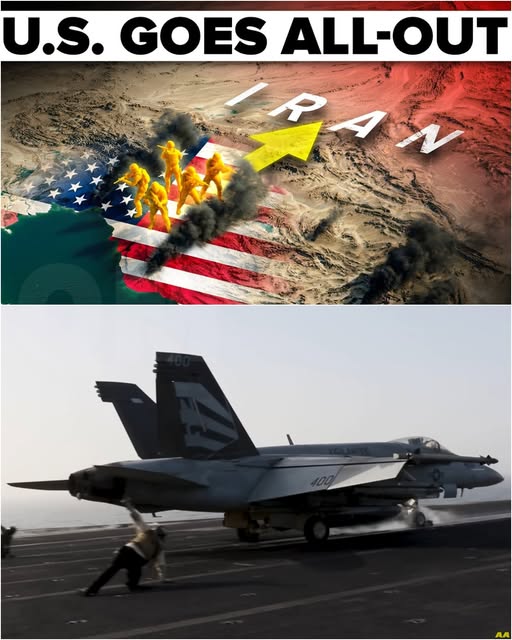
In recent years, tensions between the United States and Iran have remained a persistent focus of international attention. These dynamics are shaped by recurring cycles of escalation, cautious restraint, and complex strategic uncertainty that extend across diplomatic, economic, and military dimensions.
Public discussion often highlights dramatic or definitive outcomes, yet real-world decision-making is far more nuanced.
Governments must weigh multiple factors simultaneously, balancing immediate security concerns with long-term regional stability and potential global consequences of miscalculation.
Central to ongoing concerns is Iran’s nuclear program, which has been subject to scrutiny for decades by the International Atomic Energy Agency.
While Iran emphasizes civilian energy objectives, some nations remain concerned about potential nuclear weapons development.
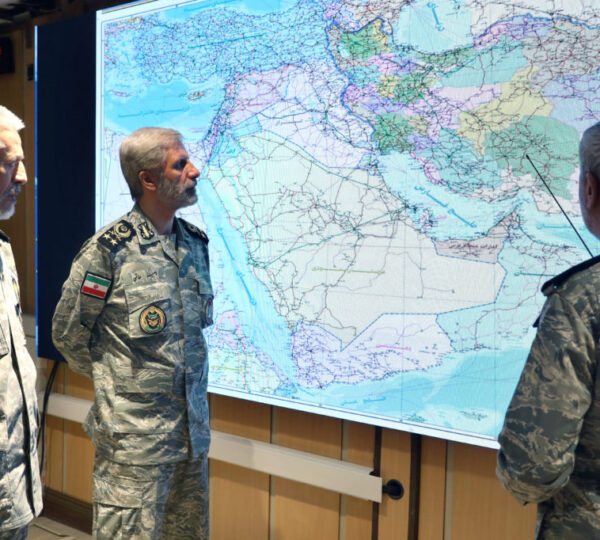
The interpretation gap between civilian and military applications significantly affects policy choices. Negotiations, sanctions, and international monitoring regimes are designed to manage risk, promote transparency, and prevent proliferation, while avoiding direct military confrontation whenever possible.
Military planning in this context is highly deliberate. Airpower is frequently considered due to its ability to project force precisely, gather intelligence efficiently, and target critical infrastructure without deploying large ground forces in hostile territory.
Public narratives often exaggerate outcomes, suggesting rapid, large-scale destruction. In reality, operations are measured, relying on signaling and deterrence strategies designed to influence behavior without triggering full-scale conflict or regional instability.
Direct intervention in nuclear facilities is theoretically possible but practically extremely difficult. Operations would require accurate intelligence, coordination among multiple military branches, and careful assessment of underground and fortified targets, making success uncertain.
Even with successful strikes, controlling these sites would present immense logistical and security challenges. Iran’s terrain, fortified structures, and dispersed locations significantly complicate sustained military operations, highlighting the high-risk nature of such interventions.
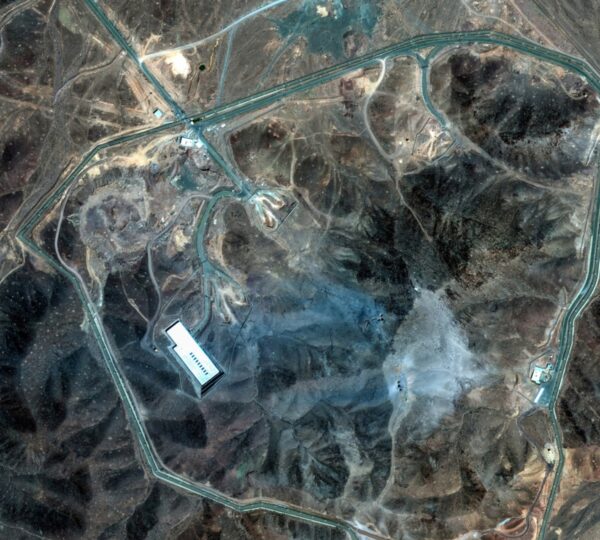
Geography is a critical factor in strategic calculations. Many of Iran’s nuclear and military facilities are located deep within the country, often shielded by natural barriers, necessitating extensive planning, transport, and support for any potential action.
The Strait of Hormuz adds another layer of complexity. As a narrow but vital energy corridor, it sees roughly one-fifth of global oil shipments. Disruption would have immediate repercussions on energy markets, trade flows, and international economic stability.
Information operations are increasingly central in shaping perceptions. In today’s digital environment, unverified claims, manipulated images, and viral narratives can distort public understanding, amplifying perceived threats beyond their factual basis.
Accurate, credible reporting is essential for understanding events. Analysts, diplomats, and decision-makers must distinguish verified intelligence from speculation, ensuring responses are guided by evidence rather than sensationalized accounts circulating online.
Most experts agree full-scale conflict between the United States and Iran remains improbable due to the immense consequences. Instead, policymakers often pursue limited objectives, focusing on deterrence, containment, and preserving strategic equilibrium in the region.
Diplomacy remains a cornerstone of risk management. Negotiations, sanctions relief, and multilateral engagement continue to play key roles in mitigating tensions, providing channels for dialogue even amid periodic escalations and mutual distrust.
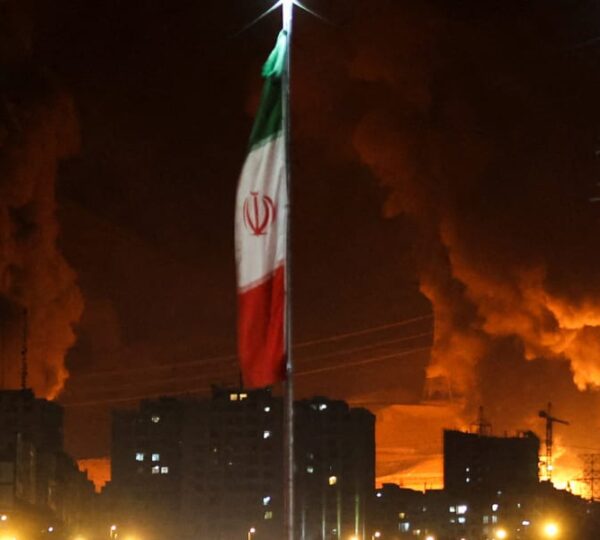
The consequences of escalation extend far beyond Iran or the Middle East. Energy markets, global supply chains, and international alliances are all sensitive to developments, emphasizing the interconnected nature of modern geopolitics.
Even seemingly isolated actions carry amplified effects. Sanctions, military maneuvers, or policy announcements can ripple across economic, political, and security domains, requiring all parties to carefully evaluate potential secondary and tertiary outcomes.
Public speculation often magnifies perceived urgency or risk. Dramatic media narratives, while attention-grabbing, rarely reflect the careful, methodical approach used in actual strategic planning by governments and military institutions.
Understanding the distinction between speculation and verified intelligence is vital. Policymakers must assess risk, anticipate reactions, and prioritize stability, often choosing measured approaches over immediate, forceful responses despite public expectations.
Iran’s broader regional influence further complicates calculations. Its relationships with neighboring states, non-state actors, and international organizations create layers of strategic complexity that require nuanced, context-sensitive policy approaches.
Military, economic, and diplomatic tools are interdependent. Sanctions, intelligence sharing, cyber capabilities, and conventional forces are deployed in combination, reflecting integrated strategies aimed at shaping behavior while avoiding uncontrollable escalation.
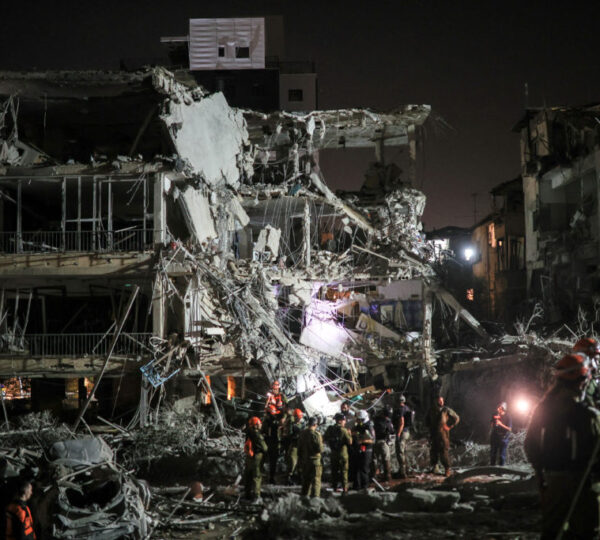
Technological advances in surveillance, precision targeting, and communications have transformed modern military planning. Operations are increasingly data-driven, emphasizing careful calculation, risk assessment, and adaptability in rapidly evolving scenarios.
The region’s energy infrastructure is central to strategic considerations. Iran’s domestic production, pipeline networks, and transit routes influence not only local stability but also global energy pricing, supply security, and international economic trends.
Even amid tension, decision-making reflects caution. Policymakers balance objectives against risk, aiming to deter adversaries while preventing unintended consequences, acknowledging that missteps could escalate beyond initial intentions.
Cultural, historical, and political factors also inform engagement strategies. Understanding Iran’s domestic dynamics, societal priorities, and leadership calculations is critical for crafting effective, sustainable policies that reduce misinterpretation or misjudgment.
In the end, the United States–Iran relationship embodies the broader challenge of modern geopolitics: maintaining strategic balance, exercising restraint, and communicating clearly while managing uncertainty in a highly interconnected, high-stakes environment.

