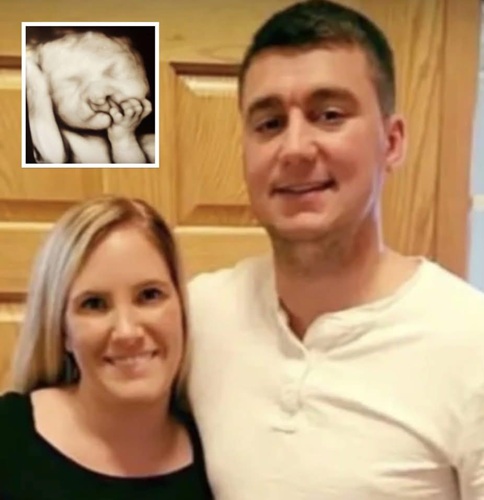
When she was 24 weeks pregnant, Sara Heller received unexpected news during a routine ultrasound that would change her family’s journey. Doctors informed her that her unborn son had a cleft lip and palate.
The diagnosis came as a shock to Heller and her partner, Chris Eidam, who had been eagerly anticipating the arrival of their child. Like many parents, they had imagined a smooth pregnancy and a healthy newborn.
A cleft lip and palate is a condition that occurs when a baby’s lip or mouth does not form properly during early pregnancy. While treatable, it often requires multiple surgeries and specialized care during infancy and early childhood.
Initially, the couple experienced a wave of emotions, including confusion, fear, and uncertainty about what the future might hold. They began researching the condition, consulting with medical professionals, and preparing themselves for the challenges ahead.
Over time, however, those feelings gradually shifted into determination and acceptance. Heller and Eidam came to realize that their son, later named Brody, would be loved unconditionally and celebrated for who he is, regardless of any differences.
As they adjusted to the diagnosis, the couple made a conscious decision to embrace openness rather than hide their experience. They wanted to share their journey publicly to help others better understand cleft conditions and reduce stigma.
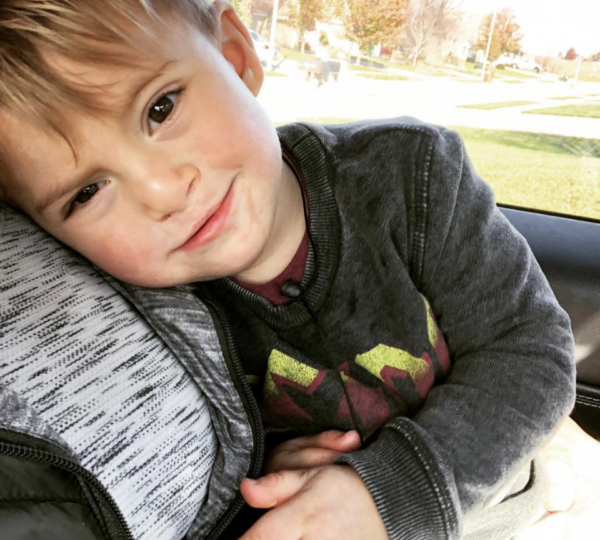
After Brody was born, they began posting photos and updates on social media, showing his everyday life, milestones, and personality. Their goal was to present an honest and positive representation of a child living with a cleft condition.
Heller later explained in an interview with TODAY.com that their intention was to normalize images of babies with cleft differences and encourage acceptance. They hoped to reshape how people perceive such conditions online.
“It is OK to be proud of your baby no matter the circumstances,” Heller shared, emphasizing that all children deserve to be celebrated. She wanted their social media platforms to reflect authenticity, compassion, and awareness rather than unrealistic expectations.
By posting photos of Brody during his first year, the couple challenged the idea that only traditionally “perfect” images should be shared online. They believed that visibility could help reduce misunderstandings and encourage empathy among viewers.
Despite their positive intentions, Heller and Eidam were aware that sharing their story publicly might expose them to criticism or insensitive comments. Social media can be unpredictable, and not all reactions are supportive or kind.
Their concerns proved valid when, shortly before the New Year, a commenter on Instagram asked a blunt and hurtful question about Brody’s appearance. The comment highlighted how little awareness some people have about medical conditions.
Heller later admitted that she was unprepared for that moment. As a new parent, she had not expected to defend her infant son or explain why he looked different from other babies in such a direct and public way.
Instead of responding with anger, Heller chose a different approach. She decided to use the moment as an opportunity to educate rather than escalate the situation into conflict or negativity, setting an example for others to follow.
“I decided to educate rather than create a confrontation,” she explained, noting that this approach reflects the values she hopes to instill in her son as he grows older and begins to navigate similar situations himself.
Heller expressed her desire for Brody to become an advocate in the future, using his voice to support younger children with cleft conditions who may not yet be able to speak for themselves or share their experiences.
Her response resonated with many people who later encountered her story, as it demonstrated patience, empathy, and a commitment to raising awareness in a constructive and meaningful way, even in difficult circumstances.
Later that same day, Heller went out to dinner with friends, seeking a moment of normalcy after the emotional experience. She did not expect that the evening would bring a powerful reminder of kindness and generosity.
During the meal, a waiter approached the table and handed her what appeared to be a folded napkin. At first, she assumed it was something ordinary, but upon opening it, she discovered something entirely unexpected.
Inside was a check for $1,000, accompanied by a handwritten note that read, “For the beautiful baby.” The gesture came from a stranger who had been moved by Brody’s story and wanted to offer support.
Heller was deeply touched by the act of kindness, describing an immediate emotional response. She later shared that tears filled her eyes as she tried to process the generosity of someone she had never met before.
The couple decided to use the money to help cover some of Brody’s medical expenses, which can be significant for families managing cleft-related treatments, including surgeries, feeding support, and ongoing specialized care.
Brody underwent a lip surgery on January 3, marking an important step in his medical journey. This procedure was part of a broader treatment plan designed to improve both function and appearance over time.
Even after surgery, challenges remained. Feeding continued to be difficult, and Brody relied on a gastrointestinal tube to receive adequate nutrition, highlighting the complex nature of caring for infants with cleft conditions.
Doctors also planned additional procedures, including a future surgery to repair his palate when he reached approximately nine months to one year of age. These interventions are common in managing cleft-related conditions.
Despite these medical challenges, Heller remained focused on the positive aspects of her son’s life, celebrating his progress, resilience, and the joy he brings to their family every day.
Reflecting on the stranger’s generosity, Heller described the experience as a powerful reminder that compassion still exists in the world. It reinforced her belief that people are capable of kindness, even in unexpected ways.
“The generosity of a complete stranger restored our faith in humanity,” she shared, emphasizing how meaningful the gesture was during a time that had been emotionally and physically demanding for their family.
Through sharing Brody’s story, Heller and Eidam began receiving messages of support from people across the country. Many expressed encouragement, shared similar experiences, or offered prayers and well wishes.
The response revealed a strong and connected community of families affected by cleft conditions. Heller noted that hearing from others helped them feel less alone and more supported in their journey.
“This experience has shown us just how strong the cleft community is,” she explained, highlighting the importance of connection, understanding, and shared experiences among families facing similar challenges.
As their story reached more people, Heller continued to advocate for awareness and acceptance. She hoped that by sharing Brody’s journey, others might gain a better understanding of cleft conditions and respond with empathy.
Ultimately, the family’s experience illustrates both the challenges and the moments of hope that can arise when facing unexpected circumstances. Through openness, education, and resilience, they have inspired many others.
Their journey serves as a reminder that every child deserves to be seen, valued, and celebrated. By choosing compassion over confrontation, Heller has helped foster a more understanding and supportive environment for families like hers.
