
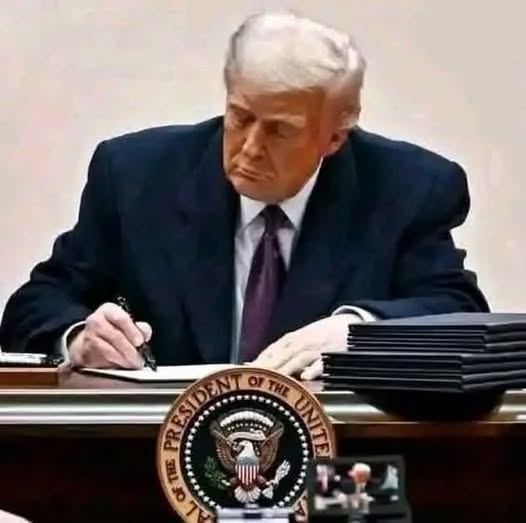
Former House Speaker Newt Gingrich recently drew attention to what he described as a noticeable shift in tone during a joint session of the United States Congress, focusing on reactions from House Democrats that he viewed as restrained and at times disengaged.
Gingrich’s observations extended beyond a single moment, as he framed his concerns within what he believes is a broader and more consistent pattern of political polarization shaping behavior, communication, and responses among lawmakers in Washington today.
He emphasized that joint sessions of Congress have historically served as moments of national unity, where leaders from both parties could publicly acknowledge shared priorities even while maintaining clear and substantive policy disagreements on key issues.
According to Gingrich, when such opportunities for visible unity are met with minimal response or silence, it may reflect a deeper shift in how elected officials approach public engagement, institutional responsibility, and cross-party interaction within Congress.
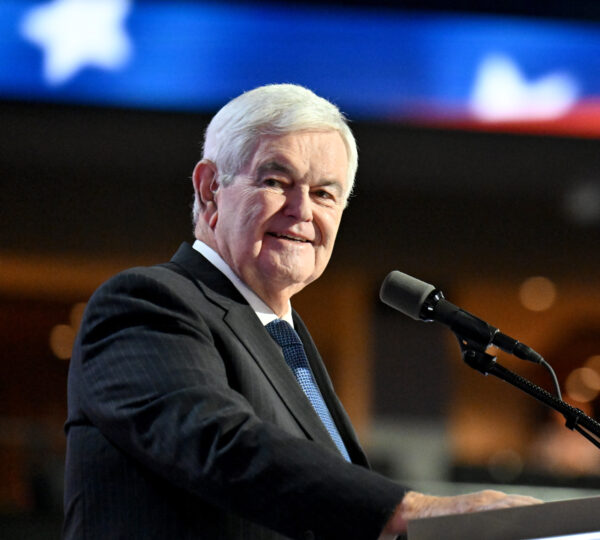
He argued that partisan identity is increasingly influencing how lawmakers choose to react in public settings, with some officials potentially avoiding gestures of agreement to prevent backlash from political supporters or primary election challengers.
At the same time, Gingrich’s comments align with perspectives often associated with the Republican Party, which frequently highlights concerns about government size, efficiency, and the need for structural reforms within federal institutions.
He contrasted this view with his characterization of the Democratic Party, suggesting that its leaders are more inclined to defend existing systems, although such interpretations remain part of ongoing political debate rather than universally accepted conclusions.
A central part of Gingrich’s argument involved public perception, as he referenced polling from a conservative research organization indicating that a large percentage of Americans believe the political system is affected by corruption or undue influence.
While polling results can vary based on methodology, broader research from institutions such as Pew Research Center and Gallup has consistently shown that public trust in government has declined significantly over several decades across multiple demographic groups.
This decline in trust is not confined to any single political party, as Americans from different ideological backgrounds have expressed concerns about accountability, transparency, and whether elected officials are effectively addressing everyday challenges faced by citizens.
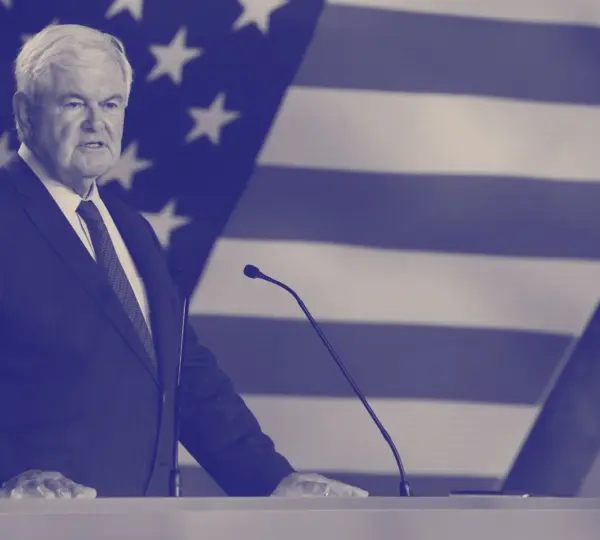
Gingrich warned that continued erosion of public confidence could have serious consequences for democratic governance, including reduced civic participation, increased skepticism about elections, and diminished faith in the legitimacy of public institutions.
Public trust plays a critical role in sustaining democratic systems, influencing how citizens engage with political processes, accept outcomes, and participate in civic life, making its decline a widely recognized issue across academic and policy discussions.
Beyond Gingrich’s specific critique, his remarks connect to a broader national conversation about how political leaders communicate, cooperate, and demonstrate accountability in an increasingly divided and highly visible political environment.
Experts note that polarization has intensified in recent years, partly due to structural incentives within the political system, as well as the influence of modern media ecosystems that shape how information is distributed and interpreted.
Digital platforms have expanded access to information but have also contributed to the spread of highly partisan narratives, which can reinforce existing beliefs and make constructive engagement across differing viewpoints more difficult.
Within Congress, polarization is reflected in legislative behavior, including voting patterns and negotiations, where members often align closely with party leadership due to political pressures and the importance of maintaining support among core voters.
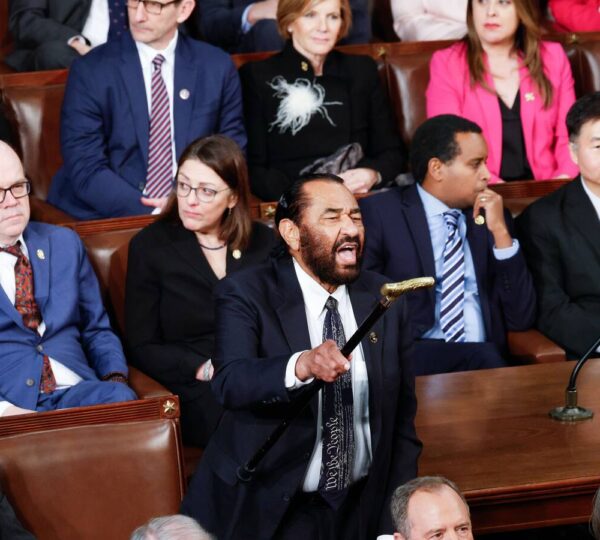
Gingrich interpreted the reactions he observed as a sign of disengagement, although others may see them as expressions of genuine disagreement, highlighting how political behavior can be understood differently depending on perspective and context.
It is also important to recognize that visible reactions during speeches have long been used by lawmakers to signal approval or dissent, making such moments a routine, though sometimes symbolic, part of congressional proceedings.
Even so, Gingrich’s concerns emphasize the perception that opportunities for bipartisan cooperation may be diminishing, particularly in public settings where gestures of unity can carry symbolic importance for audiences beyond the chamber.
Rebuilding trust in government will likely require efforts from leaders across the political spectrum, including improving transparency, strengthening accountability, and encouraging more open and respectful dialogue between opposing viewpoints.
Civic education and public understanding of government processes may also help address distrust, as individuals who feel informed and engaged are often more likely to participate actively in democratic systems and community decision-making.
Some policy experts advocate for institutional reforms designed to reduce gridlock and encourage collaboration, though these proposals vary widely and often involve complex trade-offs that require careful evaluation and bipartisan support.
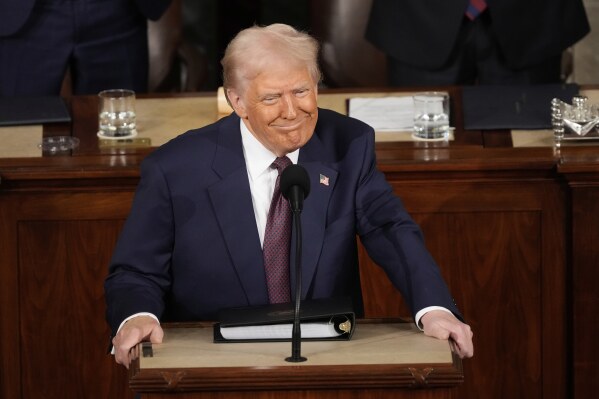
Gingrich’s perspective represents one viewpoint within a larger and ongoing national discussion about governance, political behavior, and the responsibilities of elected officials in maintaining both effective institutions and public confidence.
Ultimately, balancing political competition with effective governance remains a central challenge, requiring leaders to navigate disagreement while still demonstrating a willingness to cooperate when it serves broader national interests.
As these debates continue, the actions and interactions of lawmakers within Congress will remain closely watched, shaping public perceptions of leadership, institutional credibility, and the overall health of American democracy.
In this context, Gingrich’s remarks contribute to an important conversation about polarization, public trust, and the evolving expectations placed on political leaders in a rapidly changing and highly interconnected society.
Addressing these challenges will likely require sustained commitment from elected officials, institutions, and citizens alike, with a shared focus on strengthening democratic norms, encouraging dialogue, and rebuilding confidence in public service.

