

He was the action star who seemed to exist outside time, a figure pop culture portrayed as unstoppable, unbreakable, and almost mythical. Yet behind that legend stands Chuck Norris, born Carlos Ray Norris, a man shaped by discipline, faith, and persistence.
Born in 1940 in Ryan, Oklahoma, Norris grew up in a modest household marked by financial struggles and instability. His early years were far removed from Hollywood glamour, defined instead by quiet determination and a search for direction.
As a child, Norris was described as shy and reserved, often lacking confidence. He did not initially stand out in academics or athletics, but those formative years would later fuel his drive to build strength and purpose.
His life began to change when he joined the United States Air Force as an Air Policeman. Stationed in South Korea, Norris encountered martial arts for the first time, an experience that would ultimately redefine his entire future.
Training in Tang Soo Do and other disciplines, Norris developed not only physical skill but also mental resilience. Martial arts became more than a practice—it became a philosophy rooted in discipline, respect, and personal growth.
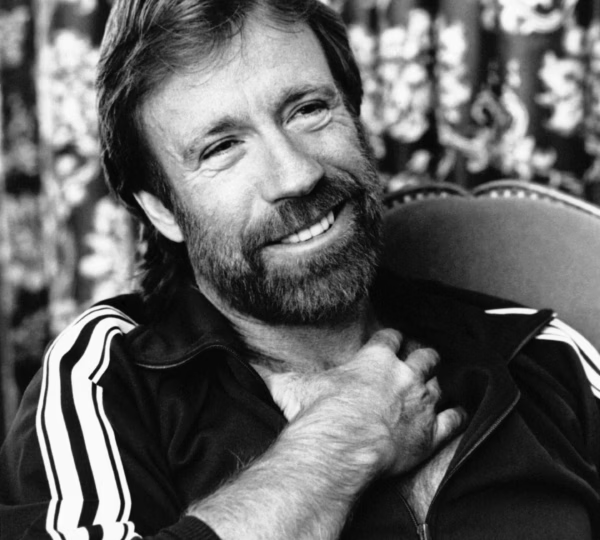
After leaving the military, Norris continued his martial arts journey with unwavering focus. He opened a chain of karate schools and began competing professionally, quickly gaining recognition for his exceptional ability and work ethic.
By the late 1960s, Norris had become a world champion in karate, holding multiple titles. His dominance in competition established him as one of the most respected martial artists in the United States.
During this period, Norris crossed paths with Bruce Lee, a meeting that would become legendary. The two shared mutual respect and trained together, influencing each other’s styles and philosophies.
Their collaboration reached global audiences in the 1972 film Way of the Dragon, where Norris faced Lee in one of cinema’s most iconic fight scenes. The duel remains a benchmark for martial arts choreography.
That moment marked Norris’s transition from competitive martial artist to on-screen presence. While his acting skills were still developing, his physical authenticity and commanding presence captivated audiences worldwide.
Throughout the 1970s and 1980s, Norris built a steady career in action films. Movies like Good Guys Wear Black and Lone Wolf McQuade helped establish his identity as a rugged, no-nonsense hero.
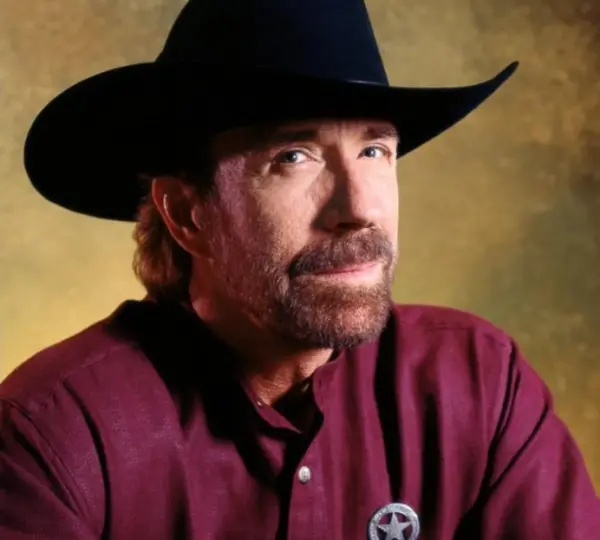
His defining role came with the Missing in Action series, which cemented his status as a patriotic action star. These films resonated strongly with audiences during a time of shifting national sentiment.
Unlike many actors, Norris brought genuine martial arts expertise to his roles. His fight scenes were grounded in real technique, giving his performances a sense of credibility that distinguished him from peers.
In 1993, Norris reached a new level of fame with the television series Walker, Texas Ranger. The show became a long-running success, blending action with moral storytelling and reinforcing his image as a principled hero.
The series ran for eight seasons and became a cultural staple, particularly in syndication. It introduced Norris to a new generation and expanded his influence beyond film into television audiences worldwide.
Off-screen, Norris’s life has been deeply shaped by his Christian faith. He has often spoken about the importance of spirituality, crediting it with guiding his decisions and helping him navigate personal challenges.
Family has always been central to Norris’s identity. Despite his demanding career, he has consistently emphasized the importance of staying connected to loved ones and prioritizing relationships over fame.
Over the years, Norris has also faced personal hardships, including the loss of close family members. These experiences added depth to his public persona, revealing a man who balanced strength with vulnerability.
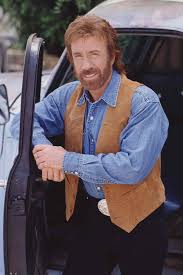
In the 2000s, Norris experienced an unexpected cultural resurgence through internet humor. The rise of “Chuck Norris facts” transformed him into a meme-age legend, celebrating his toughness in exaggerated, humorous ways.
Rather than resist the trend, Norris embraced it with good humor. His willingness to laugh at himself endeared him to younger audiences and reinforced his reputation as approachable and grounded.
This second wave of popularity introduced Norris to a digital generation, proving that his influence could transcend eras. He became both a nostalgic figure and a modern cultural icon simultaneously.
Beyond entertainment, Norris has been involved in philanthropy, particularly through youth programs. He co-founded Kickstart Kids, an organization aimed at teaching character development through martial arts in schools.
The program reflects his belief that martial arts can be a tool for positive change. By focusing on discipline and self-respect, Norris has worked to help young people build confidence and resilience.
Norris has also authored several books, sharing insights into his life, philosophy, and faith. His writings often emphasize perseverance, integrity, and the importance of staying true to one’s values.
Throughout his career, Norris maintained a relatively private personal life. Despite his fame, he avoided the excesses often associated with Hollywood, choosing instead a more grounded and disciplined lifestyle.
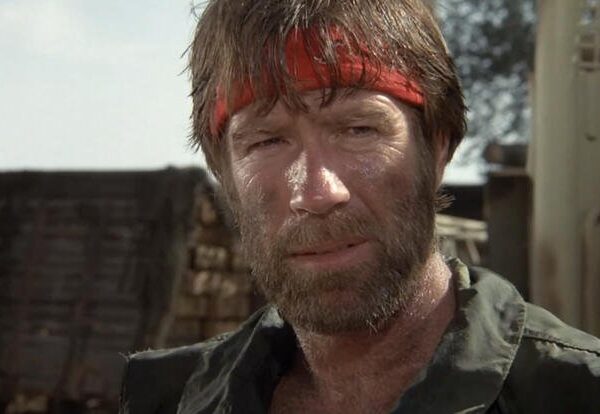
His on-screen image as an invincible fighter contrasted with his real-life humility. Those who have worked with him frequently describe him as respectful, soft-spoken, and deeply principled.
As he aged, Norris gradually stepped back from acting, focusing more on family, writing, and charitable work. However, his legacy in film and television continues to resonate strongly.
Even in later years, Norris occasionally appeared in public and media, often bringing the same calm confidence that defined his earlier career. His presence remained instantly recognizable and respected.
The enduring appeal of Norris lies in his authenticity. Unlike purely fictional heroes, his abilities were rooted in real-world skill, making his achievements feel both extraordinary and attainable.
His journey from a shy boy in Oklahoma to an international icon is a testament to perseverance. It reflects the power of discipline and the impact of finding one’s purpose.
Norris’s connection with audiences has always extended beyond action scenes. His roles often carried moral themes, emphasizing justice, responsibility, and standing up for what is right.
This moral dimension helped differentiate him from other action stars of his era. He was not just a fighter, but a symbol of integrity and steadfastness in a rapidly changing cultural landscape.
The myth surrounding Norris has grown over time, fueled by both his accomplishments and popular imagination. Yet at its core, that myth is grounded in genuine effort and dedication.
His collaboration with Bruce Lee remains one of the most celebrated intersections in martial arts history. It symbolizes a meeting of two philosophies that helped shape modern action cinema.
Despite the passage of time, Norris’s influence on martial arts in film remains significant. Many contemporary action stars draw inspiration from the realism and discipline he brought to his roles.
His legacy also extends into television, where Walker, Texas Ranger continues to be remembered for its blend of action and ethical storytelling. The show’s impact persists in reruns and cultural references.
Norris’s ability to bridge generations is rare. From classic cinema audiences to internet culture enthusiasts, he has maintained relevance in ways few actors achieve.
Even today, his name evokes a mix of admiration, humor, and respect. It represents both a real individual and a larger-than-life cultural symbol that continues to evolve.
Ultimately, Norris’s story is not just about fame or physical strength. It is about transformation, resilience, and the enduring value of character in both personal and professional life.
His life demonstrates that greatness is often built quietly, through consistent effort rather than sudden success. Each chapter of his journey reflects a commitment to growth and self-improvement.
While the legend of Chuck Norris may feel larger than reality, it is rooted in the experiences of Carlos Ray Norris—a man who worked relentlessly to become something more than his beginnings.
In the end, what remains is not just a filmography or a collection of achievements, but a lasting impression of integrity, discipline, and humanity that continues to inspire audiences around the world.

