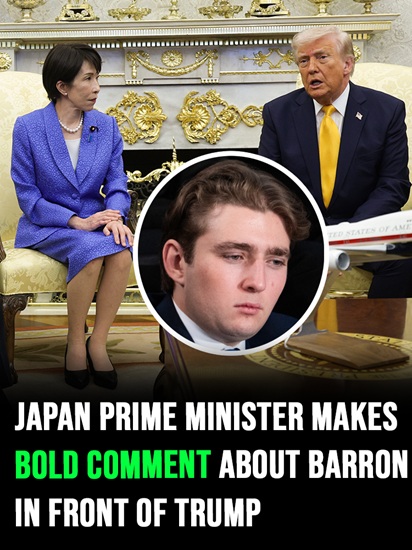
During her historic state visit to the United States, Japanese Prime Minister Sanae Takaichi, the first female leader of Japan since October 2025, made headlines for her warm yet notable remarks regarding Donald Trump’s family.
Invited to the White House for a formal dinner by the Trump administration, Takaichi’s visit included discussions on bilateral relations, trade agreements, security, and regional cooperation, while also featuring moments of levity and personal charm during interactions with the Trump family.
The visit marked an important milestone in U.S.-Japan relations, as Takaichi sought to strengthen diplomatic ties amid ongoing economic negotiations and geopolitical discussions, particularly concerning security in the Indo-Pacific region and trade initiatives affecting both nations.
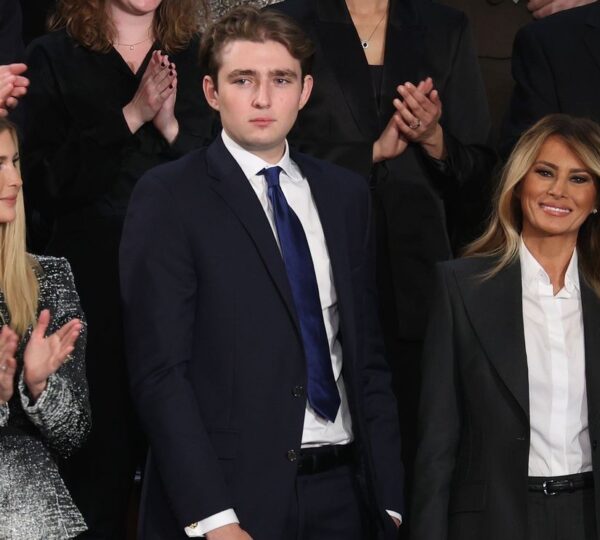
During the evening, beyond diplomatic formalities, Takaichi took a moment to address Donald Trump personally, complimenting him while also acknowledging his youngest son, Barron Trump, who would soon celebrate a milestone birthday on March 20.
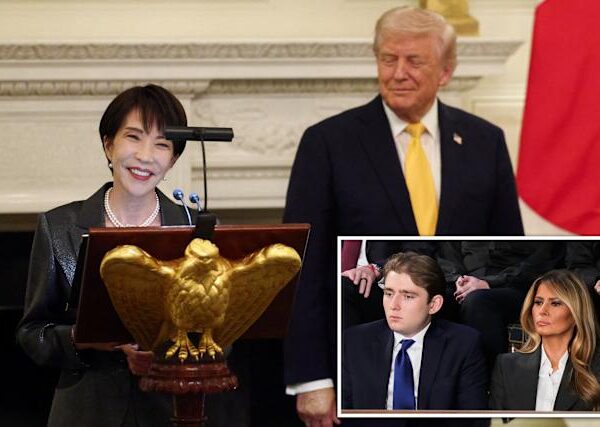
Through a translator, Takaichi expressed her admiration, saying, “Tomorrow is the birthday of your son, Mr. Barron Trump, and I know he has grown into a very tall, good-looking young gentleman,” highlighting both physical appearance and poise.
She continued, offering a gentle compliment to the president himself: “As I see you, Donald, it is very clear where he got it from, of course, from both of his parents. There’s no doubt about it.”
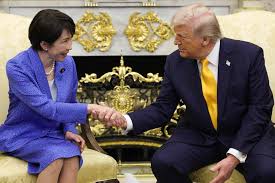
Trump appeared visibly pleased, smiling broadly and expressing his thanks to Takaichi. The former president lightly patted her on the back, signaling both amusement and appreciation for her kind and attentive remarks regarding his family.
Barron Trump’s height has long been noted publicly, as he towers over other members of the Trump family, prompting conversations in media and among commentators about his stature and potential athletic or professional prospects.
In previous interviews, Donald Trump shared anecdotes explaining Barron’s growth, crediting his wife, Melania Trump, and her late mother, Amalia Knavs, noting that Barron favored Melania’s diet and meals during his formative years, which he believed contributed to his remarkable height.
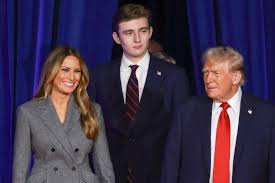
“That’s how he got so tall; he only ate her food,” Trump remarked in November 2024. He also shared that he suggested basketball as a sport for Barron, though Barron preferred soccer, demonstrating early independence and personal preference.
Takaichi’s compliment followed a brief earlier exchange between her and Trump, in which lip readers interpreted that Trump gestured toward Barron’s height while saying, “He is big, so big, up here,” emphasizing his impressive physical stature.
In response, Takaichi reportedly gave a double thumbs-up, acknowledging the comment with both humor and enthusiasm, further cementing a moment of lighthearted cross-cultural engagement amid the otherwise formal and politically focused state visit.
The dinner also included other members of the Trump family, creating opportunities for small talk, mutual compliments, and cultural exchanges, with Takaichi demonstrating attentiveness to personal details and interpersonal diplomacy.
Observers noted that Takaichi’s remarks were both polite and strategic, showing respect for Trump while also creating a positive, memorable moment for international diplomacy and press coverage, highlighting the softer side of high-level state interactions.
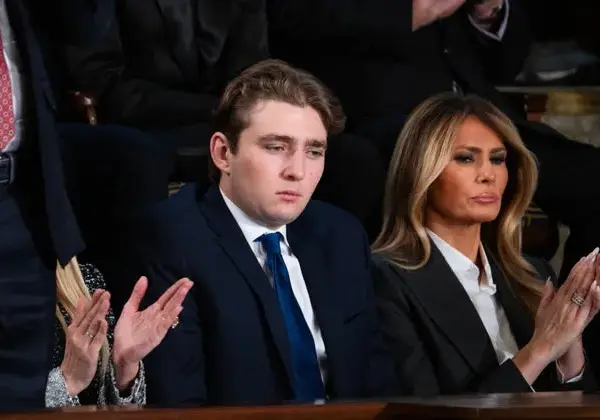
The visit received extensive media attention, with news outlets covering both the formal agenda—such as trade agreements, security discussions, and technology cooperation—and the humanizing moments, such as compliments about Barron’s appearance and demeanor.
Political analysts noted that these small, personal interactions can carry symbolic importance, showing camaraderie between leaders and helping to ease negotiations, build trust, and humanize diplomatic relationships on both sides of the Pacific.
While discussions included trade talks, cybersecurity concerns, and defense cooperation, the personal compliment about Barron illustrated how cultural etiquette and interpersonal diplomacy often intersect with official proceedings in high-profile state visits.
Trump later reflected publicly on the compliment, noting that it was well-received by his family and served as a lighthearted interlude, helping to balance a dense day of policy discussions, press engagements, and formal receptions.
Barron’s height has become somewhat emblematic of his personal development, often remarked upon in media coverage as symbolizing both his physical growth and the curiosity about what professional path he might follow in the coming years.
Some commentators speculated whether Barron Trump might pursue athletics, politics, or another field entirely, citing both his physical presence and public exposure as potential advantages for future public roles or leadership positions.
Takaichi’s comments also reflected broader Japanese social etiquette, where noting physical or personal traits politely is seen as a compliment, demonstrating attentiveness, respect, and engagement with both personal and familial contexts.
In private conversations, Trump reportedly mentioned his pride in Barron’s maturity, height, and personality, emphasizing that both he and Melania sought to support their children in choosing careers and interests aligned with their individual passions.
The exchange at the White House also provided a memorable moment for the press, photographers, and diplomats in attendance, generating images and clips widely shared across traditional and social media platforms.
Journalists emphasized that such personal interactions often create lasting impressions in the public eye, humanizing world leaders and their families while providing insights into family dynamics and personal relationships within political households.
Analysts also noted that Takaichi’s attention to Barron’s birthday and personal qualities highlighted the importance of soft diplomacy, demonstrating awareness of details that extend beyond policy, trade, and defense, to the personal spheres of leaders’ lives.
The compliment reinforced Trump’s visibility as both a political figure and father, showing a lighter, more relatable side that resonates with audiences beyond the strictly political sphere, while maintaining cultural propriety and diplomatic respect.
Barron’s emerging adulthood, including his approaching 20th birthday, has been of interest to both American and international observers, given his family background and the potential for public roles in the future.
During the dinner, conversations ranged from policy to family anecdotes, creating an atmosphere where both formal and informal exchanges allowed for stronger interpersonal connections between the leaders and their families.
Observers noted that public figures often use such opportunities to highlight their children’s development, achievements, and personal qualities, subtly signaling values, priorities, and generational continuity to both domestic and international audiences.
Trump’s lighthearted acknowledgment of Takaichi’s compliment reinforced a warm, amicable tone during the visit, helping to foster positive media narratives and project stability and approachability in his family’s public image.
Barron’s height and presence, repeatedly noted by both parents and international figures, underscores public fascination with children of political families, reflecting broader cultural curiosity about the lives and growth of heirs in prominent households.
In addition to personal compliments, the state visit focused on strategic cooperation, including technological collaboration, environmental initiatives, and regional security, highlighting how informal moments complement substantive policy discussions in diplomacy.
Takaichi’s engagement with Trump’s family demonstrated attentiveness to personal rapport, an important aspect of international relations, where mutual respect and recognition of familial connections often facilitate smoother, more productive negotiations.
The compliment also highlighted a growing trend in diplomatic protocol, where leaders acknowledge personal milestones and family achievements alongside political objectives, blending formal and informal spheres to foster rapport.
Media coverage following the visit emphasized both Takaichi’s historic role as Japan’s first female prime minister and her effective, personable approach, noting that interactions like her remarks about Barron contribute to public perception of approachability and cultural sensitivity.
While speculation about Barron’s future continues, the dinner served as a reminder that familial connections and personal attributes often play subtle roles in diplomacy, signaling care, respect, and attentiveness in high-profile interactions.
In private briefings following the dinner, staff and advisors highlighted the importance of maintaining a balance between official policy discussions and informal rapport-building, showing how soft diplomacy can enhance formal negotiations and international trust.
For the Trump family, moments like these help reinforce bonds, both internally and with international visitors, blending warmth, humor, and personal recognition alongside the gravitas of political duties and public appearances.
As Barron approaches adulthood, observers continue to note his physical presence, demeanor, and personal development, often drawing comparisons with both parents while considering potential paths in public service, media, or private life.
Takaichi’s comments, while brief, illustrate the power of personal diplomacy in reinforcing positive relationships, bridging cultural gaps, and humanizing high-level political encounters in ways that resonate beyond formal meetings.
Finally, the visit underscored the intertwining of public and private spheres in diplomacy. Compliments like Takaichi’s about Barron Trump highlight the interplay between family, politics, and international relations, creating a lasting impression of courtesy, warmth, and respect.
