

Throughout history, humans have attributed meaning to small, everyday objects, believing that seemingly ordinary events may carry deeper significance.
A found coin is one of the most enduring symbols of subtle guidance and insight. Many traditions across cultures suggest that a coin discovered unexpectedly is more than mere currency.
It is seen as a quiet communication from unseen forces, offering comfort, guidance, or an affirmation of one’s life path. In some spiritual practices, a found coin is considered a message from ancestors.
It symbolizes their continued presence, protection, and support, reminding the living that they are never truly alone in moments of uncertainty.
Certain interpretations connect the coin to personal intuition. Its appearance prompts reflection, suggesting that a small, seemingly random occurrence may be an invitation to pause, observe, and align with opportunities before you.
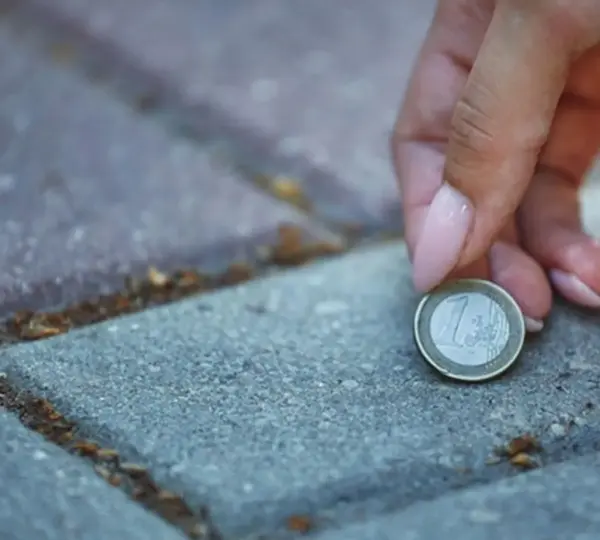
Coins carry layers of symbolic meaning due to their historical use as currency. In addition to wealth, they have represented exchange, reciprocity, and social connection, making them potent metaphors for personal and spiritual abundance.
The context in which a coin is found often influences interpretation. On a busy city street, it may signal mindfulness; in nature, a coin may be perceived as a subtle blessing, reminding individuals of life’s unexpected gifts.
Psychologists note that humans naturally seek meaning in everyday patterns. The act of finding a coin can trigger gratitude and reflection, strengthening awareness and enhancing the ability to notice small but significant positive events.
Some believe the coin reflects a symbolic doorway to new opportunities. Its unexpected presence invites curiosity, suggesting that subtle shifts in circumstances or mindset may lead to favorable outcomes if one is open to change.
In folklore, coins have long been associated with luck. Tossed into fountains, buried under thresholds, or carried as talismans, they serve as tangible conduits of fortune, transformation, and the flow of abundance in one’s life.
The act of noticing the coin is as important as the object itself. Mindfulness transforms a casual discovery into a ritual moment, encouraging intentional acknowledgment and amplifying the psychological and spiritual impact of the experience.

When a coin is found, pausing to consider its possible significance signals receptivity. It’s a conscious recognition that life’s smaller gestures may hold guidance, prompting individuals to reflect on their current path or decisions.
Many spiritual practitioners suggest picking up a coin with gratitude rather than indifference. This conscious act affirms openness to receiving blessings, support, or emotional healing, creating an energetic alignment with abundance and positivity.
Gratitude serves as a catalyst in the process. By acknowledging the coin, individuals shift focus from scarcity to trust, reinforcing a mindset receptive to opportunities, relationships, and experiences that enrich personal growth and resilience.
The coin can also symbolize emotional shifts. Finding it encourages letting go of tension, cultivating awareness, and noticing subtle shifts in energy, reminding individuals that even small acts can carry profound psychological significance.
Some interpret found coins as guidance toward decision-making. The timing and location may prompt reflection on current challenges, suggesting that attention to intuition and careful consideration can help navigate life’s transitions more effectively.
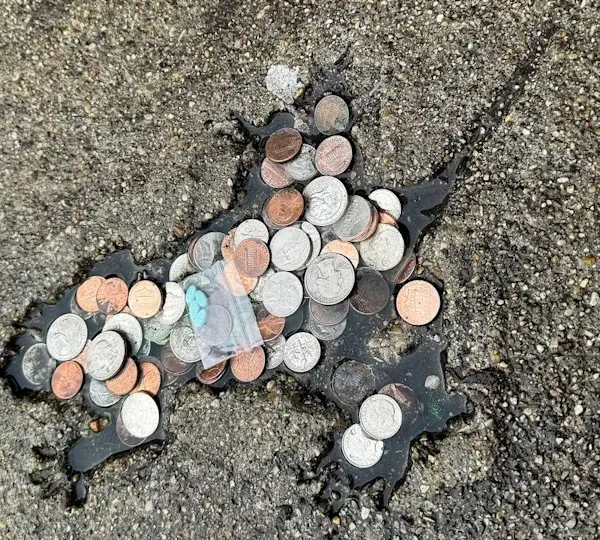
Historically, coins were often given as gifts or offerings, embedding them with layers of meaning beyond their monetary value. This cultural context reinforces their association with generosity, blessings, and connections that transcend the material world.
In certain traditions, a coin left behind by a loved one is seen as a sign of continued presence. It serves as a reminder that relationships and love endure beyond physical separation, bringing comfort and reassurance.
Psychologically, the practice of noticing small symbolic events enhances mindfulness and intentional living. Paying attention to a found coin encourages present-moment awareness, which has been linked to reduced stress, improved focus, and emotional clarity.
Some suggest using the coin as a reflective prompt. One may pause to ask questions: “What opportunity am I overlooking?” or “Where might guidance be available if I remain receptive to subtle signs?”
Symbolic interpretations vary according to belief systems. In Celtic traditions, coins were sometimes considered protective charms; in Eastern philosophies, they represented prosperity and energy flow; in modern psychology, they support mindfulness and intentionality.
Even secular perspectives recognize the value of the ritual. Picking up a coin can serve as a personal reminder to remain open, grateful, and attentive to life’s small but meaningful occurrences, promoting mental well-being.
Coins also symbolize the interconnectedness of life. Discovering one unexpectedly emphasizes cause and effect, encouraging reflection on choices, consequences, and the potential for small, intentional actions to produce meaningful change.
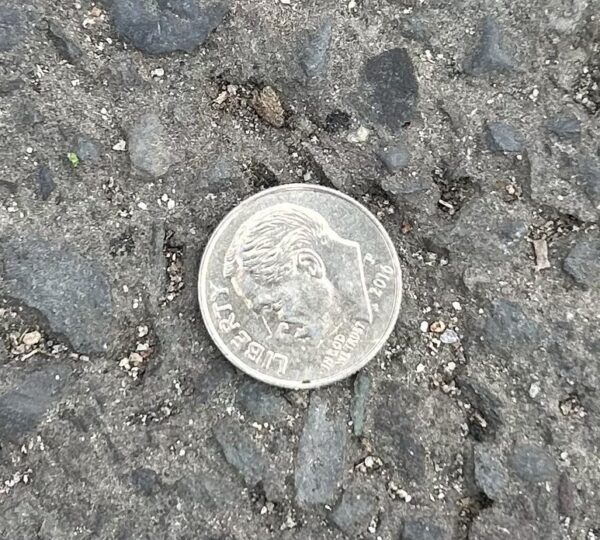
The placement of a coin matters. Finding it near thresholds, doorways, or crossroads is often interpreted metaphorically, suggesting readiness for transition, new beginnings, or the opening of previously unnoticed opportunities.
Spiritually, coins can represent energy exchange. Picking up a coin can serve as a physical acknowledgment that the universe supports reciprocity, encouraging individuals to give, receive, and remain in alignment with life’s flow.
The condition of the coin may add nuance to its interpretation. A shiny, well-preserved coin may signal clear guidance or imminent opportunity, whereas a weathered coin could suggest patience, reflection, and careful consideration before acting.
Engaging with the coin intentionally may include holding it, offering a silent prayer, or reflecting on gratitude. This transforms a casual encounter into a meaningful ritual, deepening awareness of life’s subtler dimensions.
Coins may also function as anchors for intention-setting. Picking one up provides a tangible reminder of personal goals, desired growth, or emotional healing, linking physical action to psychological and spiritual intention.
Some interpret repeated encounters with coins as messages of reinforcement. Multiple findings may indicate guidance, reassurance, or affirmation from unseen sources, emphasizing consistency and the importance of remaining mindful in everyday experiences.

Cultural interpretations are diverse. In Japan, small coins left on shrines or temples signify gratitude and respect, while in European traditions, coins dropped into fountains symbolize wishes, hope, and alignment with fortune and destiny.
Psychologically, the ritual of noticing a coin supports neuroplasticity. Intentional attention to symbolic objects strengthens neural pathways associated with mindfulness, gratitude, and reflective awareness, enhancing overall mental and emotional health over time.
Finding a coin often prompts reflection on abundance versus scarcity. The act reminds individuals that resources, opportunities, and support exist even when not immediately apparent, fostering optimism and a sense of possibility.
Some see coins as invitations to generosity. Discovering one may inspire giving, whether through acts of kindness, sharing knowledge, or offering support, reinforcing reciprocal energy and contributing to a positive, connected community.
Coins also serve as teaching tools for perspective. Their unexpected appearance encourages awareness of the subtle ways life communicates guidance, demonstrating that even small details can carry meaning when attentiveness and receptivity are cultivated.
Mindful interaction with a found coin enhances its value beyond monetary measure. The symbolic engagement emphasizes awareness, intention, and personal meaning, transforming a mundane object into a tool for spiritual or psychological insight.
In daily life, the practice of noticing small tokens of guidance promotes groundedness. By pausing to acknowledge a coin, individuals cultivate calm, mindfulness, and an ability to respond thoughtfully rather than react impulsively.
The coin becomes a mirror of personal readiness. It reflects whether one is receptive to change, open to guidance, and attuned to life’s subtle cues, highlighting the interplay between attention, intention, and personal growth.
The simple act of picking up a coin encourages conscious choice. It embodies awareness that one’s response shapes experience, reinforcing personal agency, mindfulness, and the ability to create positive emotional and spiritual shifts.
A found coin may also prompt gratitude practices. Taking a moment to reflect on abundance, protection, and guidance encourages appreciation for life’s everyday blessings, fostering resilience and a sense of continuity in challenging times.
Some interpret coins as reminders to remain vigilant for opportunities. They serve as symbols of attentiveness, patience, and the importance of noticing small details that could otherwise be overlooked in busy or distracted moments.
In summary, the meaning of a found coin is multi-layered. It combines elements of tradition, psychology, mindfulness, and spiritual symbolism, offering a tangible touchpoint for reflection, awareness, and connection with unseen forces or personal intuition.
Ultimately, the true significance lies in personal engagement. Picking up a coin with intention, gratitude, and openness creates a meaningful encounter, signaling receptivity to guidance, abundance, emotional healing, and subtle opportunities in life.
When life feels uncertain, and a coin appears unexpectedly, it serves as a gentle reminder. You are seen, supported, and connected to forces that guide, protect, and nurture, even when circumstances feel chaotic or challenging.
Through consistent mindfulness and gratitude, found coins encourage a shift from scarcity-based thinking toward trust, reinforcing the awareness that life is filled with small, meaningful gifts that often go unnoticed but are always present.
In essence, coins act as tiny emissaries of awareness. By recognizing their presence, reflecting on their meaning, and engaging with them thoughtfully, individuals cultivate mindfulness, intention, and the ability to transform ordinary experiences into profound insights.
Each coin encountered becomes part of a larger pattern of life’s subtle guidance. Over time, these small symbols teach attentiveness, reflection, and gratitude, strengthening connection to both the inner self and the external, unseen world.
Ultimately, when a coin appears at your feet, consider it a quiet message: protection surrounds you, guidance is available, and small, positive shifts are quietly unfolding. Your awareness transforms this simple object into a powerful sign.

