

Earwax, medically known as cerumen, is often overlooked in discussions of ear health, yet it plays an essential protective role. Its presence in the ear canal is a natural mechanism that safeguards sensitive auditory structures.
Beyond being a simple barrier, cerumen traps dust, dirt, and microscopic debris before these particles can reach the inner ear, where delicate organs like the cochlea and eardrum are susceptible to damage or irritation.
Cerumen also maintains a slightly acidic environment within the ear canal, which discourages bacterial and fungal growth. This natural acidity helps prevent infections while supporting overall ear canal health and comfort.
Contrary to popular belief, the ear has a self-cleaning system. Cerumen gradually migrates outward through normal jaw movements such as chewing and speaking, allowing older wax to exit the ear naturally without manual intervention.
Problems typically arise not from the wax itself but from attempts to remove it improperly. Interfering with the natural process can lead to impaction, injury, or infection, emphasizing the importance of caution and professional guidance.
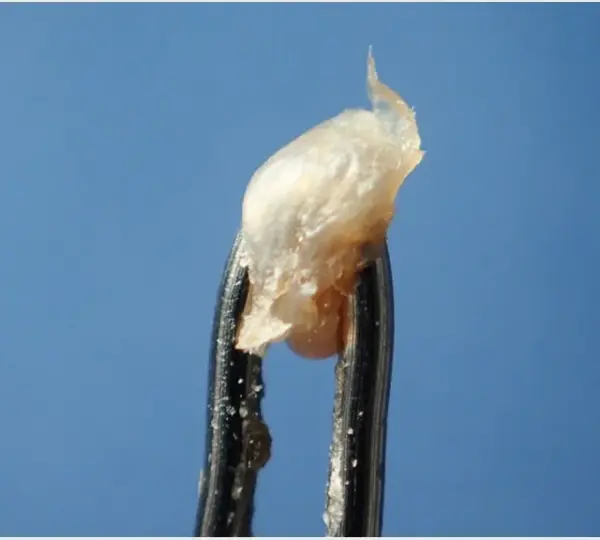
Many people use cotton swabs, hairpins, or similar objects to clean their ears. Unfortunately, these practices often push wax deeper, disrupting natural ear function and increasing the risk of blockage or eardrum damage.
Over time, repeated insertion of foreign objects may remove the protective cerumen layer. Without this barrier, the ear becomes more susceptible to bacterial invasion, inflammation, and irritation, potentially requiring medical treatment.
Because of these risks, healthcare professionals recommend avoiding any object insertion into the ear canal unless directed by a qualified provider. Safe ear care relies on understanding and respecting the body’s natural defenses.
Cerumen serves as more than a protective agent; it can act as a subtle health indicator. Changes in color, consistency, or smell may offer early insights into underlying conditions or environmental exposures.
Earwax varies naturally between individuals due to genetics, diet, hygiene habits, and environmental factors. These variations are usually harmless but may sometimes signal internal or external health influences worth monitoring.
For instance, gray or light-colored cerumen may indicate exposure to dust, pollution, or other environmental particles. Such changes typically reflect external influences rather than any medical condition.
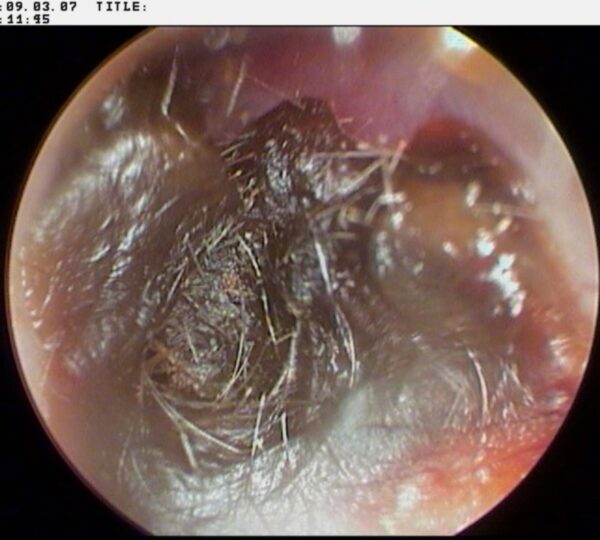
Traces of blood in earwax, however, should never be ignored. This may suggest minor abrasions, excessive cleaning, or, in rare cases, a perforated eardrum, requiring prompt medical evaluation to prevent complications.
Dark brown or black cerumen may indicate older wax accumulation, but it can sometimes correlate with stress-induced changes in gland activity. Stress can alter hormone levels, influencing the quantity and consistency of wax produced.
Repeated occurrences of black or dark wax, especially if accompanied by itching, pain, or discharge, may signal a fungal or bacterial infection. Early medical assessment can identify the cause and guide proper treatment.
Texture changes in cerumen provide additional diagnostic clues. Pale or unusually white wax may suggest nutrient deficiencies affecting skin and gland health, highlighting the interconnectedness of diet, metabolism, and ear physiology.
Watery or excessively moist cerumen, particularly when paired with redness or discomfort, may indicate irritation or infection within the ear canal. Such changes warrant careful monitoring or professional evaluation.
Dry, flaky wax is common in older adults and may also result from dehydration or insufficient dietary fats. While not inherently dangerous, it signals the need for supportive care and possible nutritional adjustments.
Smell is another important characteristic of earwax. Normal cerumen is largely odorless, whereas strong or foul odors may indicate infection or abnormal fluid presence, such as bacterial or fungal colonization in the ear canal.
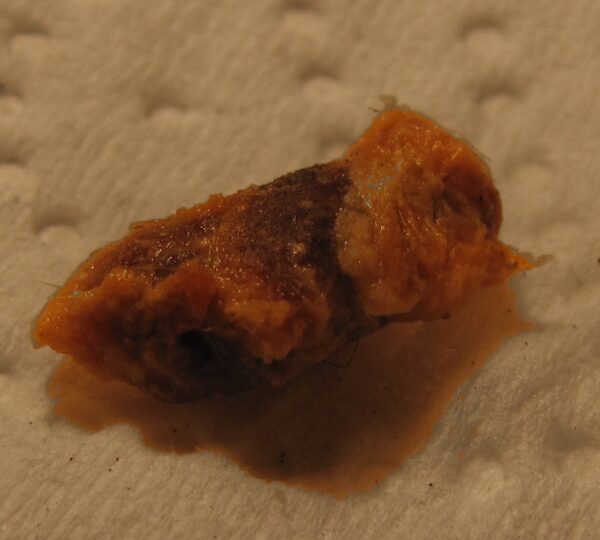
Persistent odors combined with pain, swelling, or hearing changes require medical attention. Ignoring these signs may allow minor infections to progress, potentially affecting long-term hearing health.
Subtle symptoms should not be dismissed. Itching, pressure, ringing, or sudden changes in hearing may accompany cerumen changes and could indicate infection, impaction, or underlying medical conditions requiring professional evaluation.
A healthcare provider can safely examine the ear, determine the appropriate treatment, and remove excess wax using sterile instruments. This prevents damage that can result from at-home removal attempts with cotton swabs or other tools.
Treatment may include gentle irrigation, medicated drops, or addressing systemic factors such as diet, hydration, or allergies. Professional guidance ensures safe, effective resolution without compromising the ear’s natural protective mechanisms.
Preventive ear care begins with simple, consistent habits. Avoid inserting foreign objects, maintain hydration, and ensure balanced nutrition to support healthy cerumen production and overall ear canal function.
A diet rich in vitamins, minerals, and healthy fats supports the skin and tissues lining the ear canal, helping maintain wax consistency and the canal’s protective barrier against pathogens.
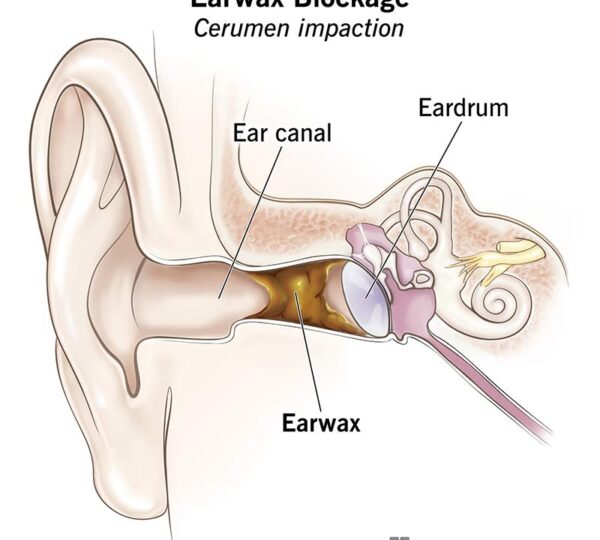
After swimming or bathing, gently dry the outer ear to prevent excess moisture, which can encourage fungal or bacterial growth. Simple practices reduce infection risk without disrupting cerumen’s natural functions.
Protecting ears from loud noise also preserves health. Prolonged exposure to high-decibel environments can damage hair cells in the cochlea and exacerbate wax-related issues or pre-existing conditions.
Using earplugs or noise-reducing headphones in concerts, construction sites, or other loud environments minimizes risk. Combining this with attentive care for cerumen can help maintain long-term auditory function.
Observing changes in earwax provides insights into internal health, stress levels, and environmental exposures. Paying attention to cerumen helps individuals respond early to potential issues, improving overall wellness.
Earwax should be viewed as part of a self-sustaining system. Its production, migration, and protective qualities are designed to function without frequent interference, highlighting the body’s natural resilience.
Recognizing changes—whether in color, texture, or odor—can offer a subtle early warning system. Understanding these signs allows for informed action rather than overzealous removal or neglect.
Respecting the ear’s natural defenses enhances health. Cerumen helps prevent infection, traps debris, and maintains canal acidity, contributing to the preservation of hearing and protection of delicate inner ear structures.
Hydration and diet support natural cerumen production. Proper fluid intake and nutrients aid gland function, while deficiencies may result in wax changes that signal potential systemic or nutritional concerns.
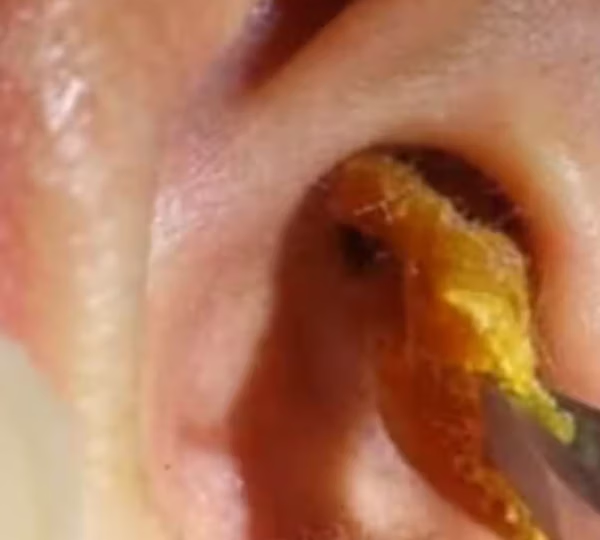
Routine observation and gentle hygiene, combined with avoidance of invasive cleaning tools, allow cerumen to perform its protective role efficiently, keeping the ear canal healthy and minimizing the need for medical intervention.
Medical evaluation remains crucial when symptoms such as pain, discharge, or foul odor arise. Early attention prevents minor issues from developing into more serious conditions, safeguarding both hearing and general health.
Modern understanding emphasizes that earwax is not merely waste. Instead, it is a multifunctional component of ear physiology, reflecting health status, environmental influences, and protective mechanisms essential for long-term auditory well-being.
Supporting the ear’s natural balance also includes protecting it from trauma, infection, and excessive moisture. Simple, preventative measures can greatly reduce the likelihood of complications and maintain healthy cerumen function.
Earwax management should prioritize observation, prevention, and professional care rather than aggressive removal. This approach aligns with the body’s self-regulating systems, promoting optimal ear canal health over time.
Ultimately, cerumen is both a protective agent and a subtle health indicator. Paying attention to its characteristics allows individuals to maintain hearing health, identify potential issues early, and respect the body’s natural processes.
By combining careful observation, safe hygiene, and professional guidance when necessary, individuals can support ear health, preserve auditory function, and ensure that cerumen continues to fulfill its vital protective role effectively.

