
The world of performing arts continues to celebrate the enduring legacy of Jane Lapotaire, a distinguished British actress whose remarkable career spans decades across theater, television, and film.
Renowned for her emotional depth and commanding stage presence, she has earned a respected place among the most accomplished performers of her generation.
Born as Jane Burgess in Ipswich, England, in December 1944, her early life was shaped by complex personal circumstances that would later inform her artistic sensitivity.
Placed for adoption shortly after birth, she spent her formative years in foster care, developing resilience and independence.
Her childhood was marked by emotional challenges, particularly when her biological mother re-entered her life during adolescence. A legal custody dispute followed, ultimately allowing her to remain with her foster mother, though she maintained contact with her birth family during holidays.

These early experiences played a significant role in shaping her emotional intelligence and depth as a performer. Lapotaire often drew upon her personal history to bring authenticity and nuance to the complex characters she portrayed throughout her career.
Her passion for acting emerged at a young age, eventually leading her to pursue formal training and professional opportunities in theater. In 1965, she made her stage debut at the Bristol Old Vic, portraying Ruby Birtle in “When We Are Married.”
This initial performance proved to be a defining moment, solidifying her commitment to acting as a lifelong vocation. She later reflected that her desire to perform was so strong it surpassed even basic human needs, highlighting her deep artistic drive.
In 1970, she became a founding member of the Young Vic Theatre, an innovative institution dedicated to making theater more accessible and engaging for diverse audiences. This involvement marked the beginning of her rise within Britain’s theatrical elite.
By 1974, Lapotaire joined the prestigious Royal Shakespeare Company, where she would go on to deliver a series of critically acclaimed performances. Her work with the company cemented her reputation as a formidable stage actress.
One of her most celebrated achievements came with her portrayal of Edith Piaf in the stage production “Piaf.” Her powerful interpretation of the iconic French singer captivated audiences and critics alike, showcasing her extraordinary emotional range.
When the production transferred to Broadway in 1980, Lapotaire’s performance earned her the prestigious Tony Award for Best Actress in a Play. This recognition marked a significant milestone in her international career and brought her global acclaim.
In addition to her stage success, she gained widespread recognition through her television work. Her portrayal of Marie Curie in the 1977 BBC miniseries introduced her to a broader audience and demonstrated her versatility as a screen actress.
Her ability to embody historical figures with depth and authenticity became one of her defining strengths. She approached such roles with meticulous preparation, bringing intellectual rigor and emotional truth to each performance.
Lapotaire’s film career also includes notable roles, such as her portrayal of Queen Mary in the historical drama “Lady Jane.” Her performance added gravitas and complexity to the film’s depiction of Tudor-era politics and personal struggles.
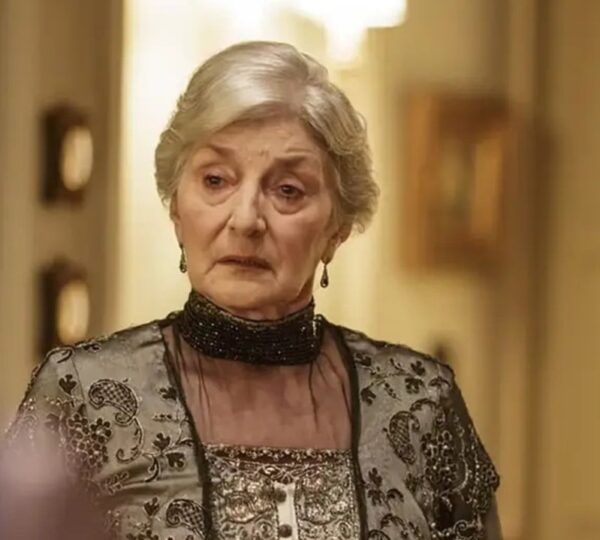
In later years, she continued to appear in high-profile television productions, including roles in Downton Abbey and The Crown. These appearances introduced her to new generations of viewers.

In “Downton Abbey,” she portrayed Princess Irina Kuragin, bringing elegance and subtle emotional tension to the storyline. Her performance was widely praised for its understated yet impactful delivery.
In “The Crown,” she took on the role of Princess Alice of Battenberg, delivering a poignant portrayal that highlighted both vulnerability and quiet strength. The role further demonstrated her enduring relevance in contemporary television.
Despite her continued success, her career was not without challenges. In 2000, she suffered a serious cerebral hemorrhage, requiring emergency surgery and an extended period of recovery that temporarily halted her professional activities.
Her determination and resilience enabled her to return to acting, reinforcing her reputation not only as a talented performer but also as an individual of remarkable strength and perseverance.
Beyond her performances, Lapotaire has also contributed to the arts through writing and teaching. Her memoir, which reflects on her life and career, offers insight into the personal and professional experiences that shaped her journey.
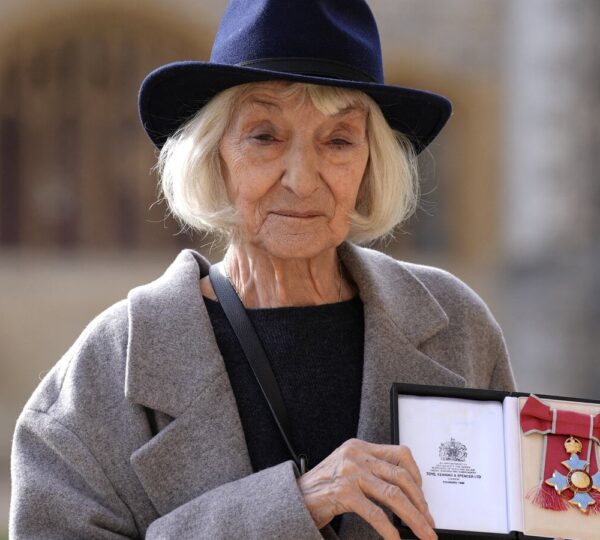
Her contributions to drama have been formally recognized with numerous honors. She was appointed a Commander of the Order of the British Empire (CBE), acknowledging her significant impact on British theater and culture.
Throughout her career, she has remained dedicated to her craft, consistently choosing roles that challenge both herself and her audience. Her performances are often characterized by emotional authenticity and intellectual depth.
She is also known for her collaborative spirit, working closely with directors, writers, and fellow actors to create meaningful and compelling productions. This approach has earned her widespread respect within the industry.
Her legacy extends beyond awards and accolades, influencing aspiring actors and contributing to the evolution of modern theater and television. Many performers cite her work as a source of inspiration and artistic guidance.
In her personal life, she is the mother of Rowan Joffe, a screenwriter and director, from her previous marriage to Roland Joffé. Her family connections reflect a continued engagement with the creative arts across generations.
Today, Jane Lapotaire remains a respected figure in the performing arts community. Her career serves as a testament to the power of dedication, resilience, and artistic integrity in achieving lasting success.
Her body of work continues to be studied and appreciated by audiences, critics, and scholars alike. Each role she has undertaken contributes to a rich and enduring artistic legacy.

Rather than being defined by a single performance, her career represents a continuous exploration of human emotion, history, and storytelling through multiple artistic mediums.
As audiences revisit her performances, they are reminded of the timeless quality of her work and the profound impact she has had on the world of drama.
Her story is not one of conclusion, but of ongoing influence—an artist whose contributions continue to resonate across generations and cultural boundaries.
In an industry that constantly evolves, Jane Lapotaire stands as a symbol of excellence, adaptability, and enduring passion for the art of performance.
