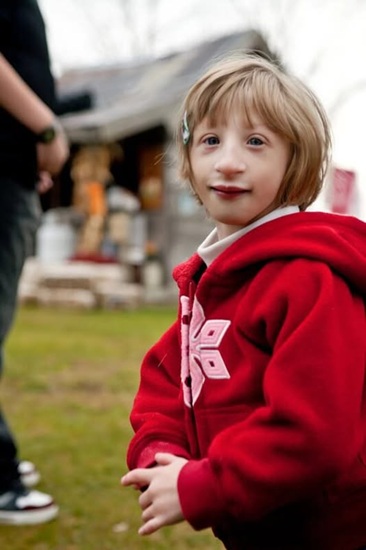
Kenadie Jourdin-Bromley was lovingly nicknamed “Thumbelina” from the very beginning of her life, a name that reflected both her extraordinary size at birth and the tenderness she inspired in everyone around her.
When she was born in Canada in 2003, Kenadie weighed just over one kilogram, an amount so small that it immediately raised serious medical concerns among doctors and specialists present at the delivery.
Her condition was not simply a case of premature birth or low birth weight. Instead, it was the result of a very rare genetic disorder known as primordial dwarfism, a condition that affects overall growth before and after birth.
Primordial dwarfism is extremely uncommon, with only a small number of documented cases worldwide. It causes individuals to remain significantly smaller than average throughout their lives, while often presenting additional medical challenges that require careful monitoring.
At the time of Kenadie’s birth, her lungs were underdeveloped, and her body appeared incredibly fragile. Medical professionals warned her parents that survival beyond the first days—or even hours—was uncertain and unlikely.
The prognosis was heartbreaking. Doctors explained that many infants born with similar conditions do not survive long due to complications involving breathing, organ development, and overall physical resilience.
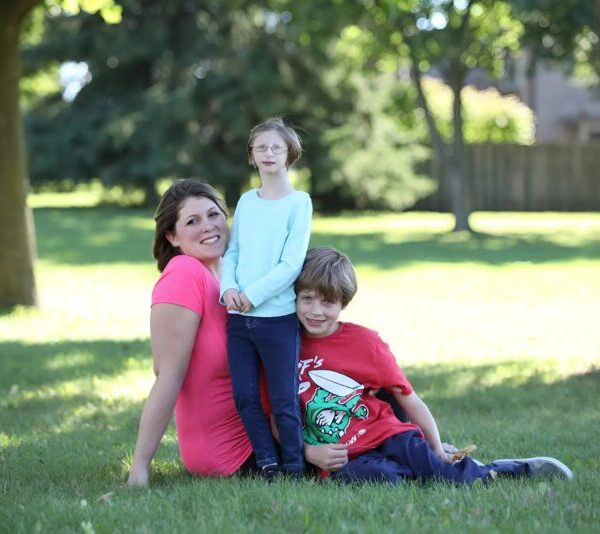
Faced with such devastating expectations, Kenadie’s parents made an emotional decision. They wanted their daughter to experience love, warmth, and comfort, even if her time was going to be tragically short.
They chose to bring her home, surrounding her with family rather than keeping her in a clinical environment filled with machines and uncertainty. It was a decision rooted in love, courage, and acceptance.
Yet, what followed would challenge every expectation that had been set. Instead of fading, Kenadie began to show signs of strength. She continued breathing, feeding, and responding to the world around her.
Each day she survived became a quiet victory. What had been predicted as nearly impossible slowly transformed into something extraordinary—her steady and determined will to live.
As weeks turned into months, her progress, though slow, was undeniable. Doctors who had once been cautious began to witness something they could not easily explain: resilience beyond medical prediction.
Her growth remained far below typical developmental charts, but her spirit and awareness developed in ways that surprised those who followed her journey closely.
Kenadie’s early years required ongoing medical care and regular checkups. Specialists monitored her development carefully, ensuring that any complications could be addressed as early as possible.
Despite the challenges, she continued to defy expectations. Her parents remained her strongest advocates, ensuring she received both the medical attention and emotional support necessary to thrive.
As she grew older, Kenadie began to develop her own personality—bright, expressive, and full of curiosity. Her laughter became one of the most powerful signs of her progress.
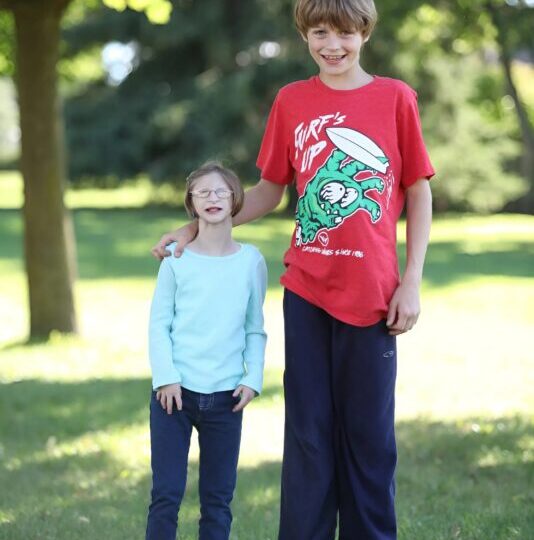
She learned to communicate, interact, and engage with others in ways that reflected her intelligence and emotional awareness, even if her physical size remained much smaller than her peers.
Entering school marked another important milestone. Like any child, she faced new environments, social interactions, and the process of learning and discovery.
While her appearance sometimes drew attention, Kenadie approached life with a remarkable sense of confidence and positivity that often put others at ease.
Children, naturally curious, would sometimes ask questions. These moments became opportunities—not just for explanation, but for understanding and acceptance.
Her family and teachers played a key role in helping create an environment where she could feel included, respected, and encouraged to participate fully.
Over time, Kenadie formed friendships and became part of a community that recognized her not for her differences, but for her personality, kindness, and enthusiasm.
Her condition meant she remained significantly smaller than other teenagers, but it never defined the limits of her experiences or aspirations.
She enjoyed everyday activities—spending time with friends, learning new things, and exploring interests just like any other young person her age.
Her story began to reach a wider audience as people learned about her journey. Many were inspired by the contrast between early medical predictions and the life she was now living.
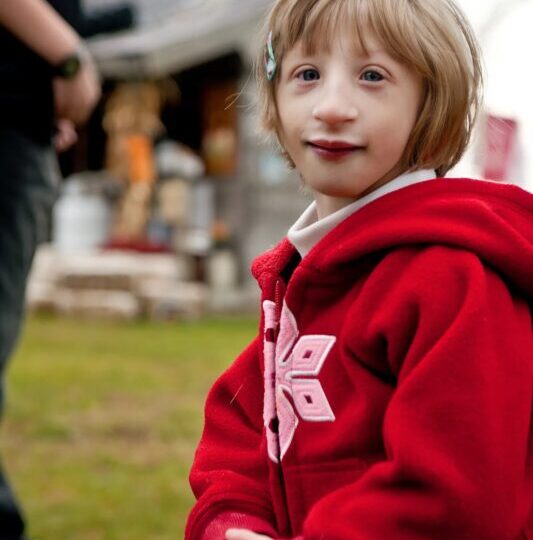
Importantly, her story is not about ignoring medical realities, but about recognizing that outcomes can sometimes exceed expectations in meaningful and hopeful ways.
Kenadie’s life highlights the importance of individualized care, emotional support, and the role of family in navigating complex medical situations.
Her parents’ decision to focus on love and quality of life created a foundation that allowed her to grow not just physically, but emotionally and socially.
As she entered her teenage years, Kenadie continued to demonstrate resilience. Her presence became a reminder that physical size does not determine the size of one’s impact.
She has been described as cheerful, determined, and compassionate—qualities that resonate strongly with those who meet her or hear about her journey.
Like many individuals with rare conditions, she has faced moments of difficulty, including medical challenges and social obstacles that required patience and strength.
However, these challenges have been met with a mindset rooted in optimism rather than limitation. Her outlook reflects a deep appreciation for life’s everyday moments.
Her story has also helped raise awareness about primordial dwarfism, encouraging greater understanding of rare conditions that are often misunderstood or overlooked.
Education and awareness play an essential role in reducing stigma, and Kenadie’s visibility has contributed positively to that effort.

It is important to approach stories like hers with accuracy and respect, recognizing both the medical realities and the personal experiences that shape each individual’s journey.
Kenadie is not defined solely by her condition. She is a person with interests, relationships, and a unique perspective shaped by her life experiences.
Her journey demonstrates that while medical science provides valuable guidance, it does not always determine the full outcome of a human life.
The early predictions surrounding her survival were based on available knowledge and similar cases, but her experience followed a different path.
This does not mean such conditions are easy or without risk—it simply shows that variability exists, and each case deserves careful, individualized understanding.
Today, Kenadie continues to live a life filled with meaning, connection, and growth. Her story remains a powerful example of resilience without exaggeration or myth.
She attends school, interacts with her community, and continues developing her skills and interests, just like other teenagers her age.
Her physical differences remain visible, but they are only one part of a much larger and more meaningful story.
People who meet her often remark on her positivity and ability to bring light into everyday situations, a quality that cannot be measured physically.
Her journey also reflects the importance of supportive environments—family, education, and healthcare working together to create opportunities for growth.

Rather than focusing solely on limitations, her life encourages a broader perspective on potential and human capability.
Kenadie’s story reminds us that strength can appear in unexpected forms, and that perseverance often develops quietly over time.
Her life is not a miracle in the sense of fantasy, but rather a testament to resilience, care, and the complexity of human development.
Each stage of her life has brought new challenges, but also new achievements that continue to shape her path forward.
She represents not only her own journey, but also the experiences of others living with rare conditions who navigate similar realities every day.
Her presence in the world contributes to a growing understanding that diversity in human bodies and experiences is something to be acknowledged and respected.
As she continues to grow and move forward, Kenadie remains an example of how early expectations do not always define the future.
Her story encourages compassion, awareness, and a deeper appreciation for the many different ways a life can unfold.
Ultimately, Kenadie’s life is a reminder that even in the face of uncertainty, hope and persistence can lead to outcomes that are both meaningful and inspiring.
What began as a fragile start has become a steady journey—one shaped by care, determination, and the unwavering support of those around her.
And while her size may have inspired the nickname “Thumbelina,” her life story reflects something far greater: the enduring strength of the human spirit.
