
In Brooklyn, a story has captured hearts worldwide, showing how compassion and dedication can change lives in the briefest moments. Isabel Klee, a devoted animal rescuer, gave a terminally ill dog named Zero a final gift: belonging.
Isabel has spent more than seven years fostering dogs who face the greatest challenges. She specializes in animals with serious medical conditions, behavioral struggles, or histories that make adoption unlikely, approaching every case with patience and empathy.
Her home has become a sanctuary for dogs overlooked by many, offering comfort, structure, and dignity. Isabel believes that every animal deserves to feel safe, loved, and valued, even if their time with her is tragically brief.
On December 8, 2025, she welcomed Zero through Muddy Paws Rescue, a Brooklyn-based organization renowned for handling dogs with complex needs, including elderly or medically fragile animals often considered unadoptable by other families.
Zero, an elderly white dog, arrived as a medical and behavioral foster. His age, combined with cognitive and physical issues, made him a difficult case, yet Isabel recognized the opportunity to give him comfort during his remaining days.
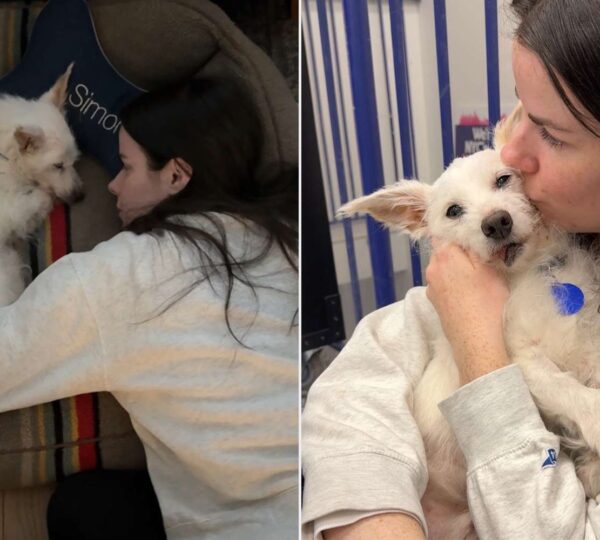
Despite his challenges, Zero displayed traces of his gentle nature. Isabel immediately noticed a softness behind his anxious demeanor, offering hope that a calm, loving environment could improve his quality of life, even temporarily.
In the first days, Isabel documented his progress carefully, observing subtle signs of trust. A soft nuzzle or a relaxed posture suggested that, beneath the stress, Zero was beginning to feel safe in a home that cared for him deeply.
However, as December progressed, Isabel observed troubling changes. Zero’s behavior indicated severe cognitive decline, and his anxiety intensified. He began pacing constantly, barking for extended periods, and appearing disoriented, signs of advanced canine cognitive dysfunction.
On December 19, Isabel shared an emotional update on TikTok, opening her followers to the harsh realities of fostering a terminally ill dog. Her honesty highlighted both the heartbreak and the compassion central to her work.
“We’re having a lot of conversations about Zero and his quality of life,” she said, her voice trembling. Video clips showed him agitated, barking at all hours, unable to rest, and clearly confused by his surroundings and his own limitations.
For Isabel, accepting the inevitability of Zero’s decline was profoundly difficult. She had dedicated herself to giving overlooked dogs peace, and acknowledging that love alone could not reverse his suffering felt devastating.
“I’ve never had this happen before,” she admitted. “It’s hard to accept that I couldn’t help him, that I couldn’t fix this.” Her words reflected the emotional complexity of rescue work, balancing hope with harsh realities.

She also confronted the weight of sharing such truth with her audience, many of whom had followed her journey for years, admiring her ability to care for challenging cases with honesty and transparency.
Working with Muddy Paws Rescue, Isabel focused on ensuring Zero’s final days were filled with compassion and dignity. Every decision was guided by the principle of humane care, prioritizing his comfort and emotional wellbeing above all else.
Two days later, on December 21, Isabel posted the heartbreaking news: Zero had passed away. She described him as brave, loved, and free from the confusion and pain that had plagued his final days.
“There is no more pain, no more confusion, no more fear,” she wrote. She emphasized that even a brief period of love and attention mattered, showing Zero’s life was valued and cherished until the very end.
Zero’s story touched thousands online. Messages of admiration and support poured in, commending Isabel for her honesty, courage, and unwavering dedication to providing peace for animals in their final moments.
Yet Isabel revealed one final act of love that made his story even more meaningful. Before Zero’s euthanasia, she and her partner, Jacob, officially adopted him, ensuring he would die as a family member rather than a temporary foster.
On December 22, she shared footage of the adoption ceremony. Tears flowed as she explained their motivation: to give Zero the experience of truly belonging to a family, even if only for his last hours.
Viewers watched as Isabel signed the adoption papers, her emotions transparent. The act, quiet yet profoundly significant, reflected her dedication to ensuring every animal in her care felt loved, secure, and chosen.
To celebrate Zero’s final day, Isabel and Jacob treated him to a cheeseburger and a McDonald’s ice cream sundae. For a dog with medical and behavioral challenges, the gesture symbolized indulgence, joy, and care.

The remainder of the day was spent in physical closeness: cuddles on the couch, gentle kisses, and soft words spoken just for him. In a heartfelt caption, Isabel wrote, “We were a family,” summarizing the significance of those precious hours.
Zero’s story demonstrates the power of fostering, particularly for dogs with medical or behavioral issues. While not every story ends in adoption, every act of love contributes to an animal’s dignity and comfort.
Fostering is inherently challenging, often involving heartbreak, but it can also bring joy and profound meaning. Isabel’s care for Zero exemplifies how love, attention, and patience can profoundly impact a dog’s final days.
The emotional resonance of Zero’s story highlights the importance of honesty in rescue work. By sharing both the joy and grief of fostering, Isabel educates her audience about the realities of caring for animals with severe needs.
Her journey also underscores that terminal or challenging cases deserve love and attention. Even brief moments of comfort can transform an animal’s final experiences, giving them security, warmth, and emotional peace.
The story prompted widespread reflection on the value of senior and special-needs dogs. Isabel’s dedication encourages others to consider opening their homes to dogs who might otherwise be overlooked or deemed too difficult to foster.
Zero’s final hours were not just peaceful—they were filled with agency and choice. He experienced autonomy in food selection, closeness with caregivers, and the affirmation that he was part of a loving family.
Through Isabel and Jacob’s actions, Zero’s short life was filled with meaning. He left this world with warmth, affection, and a profound sense of belonging, a testament to the transformative power of love and patience.
The response on social media reflects the story’s universal appeal. Followers praised Isabel for demonstrating how caregiving involves both bravery and vulnerability, showing that love sometimes means letting go.

Zero’s story raises awareness about cognitive decline and behavioral challenges in senior dogs, illustrating that specialized care can make their final days more humane, comfortable, and emotionally satisfying.
Isabel’s transparency also encourages other foster caregivers to share honest updates, highlighting the realities of terminal cases and promoting community support, empathy, and understanding.
Even in a brief encounter, a foster caregiver can profoundly affect a dog’s life. By providing safety, compassion, and belonging, Isabel ensured Zero’s existence mattered beyond his medical condition.
The narrative demonstrates the significance of terminal adoption, where dogs are officially made part of a family before passing. Such acts affirm their worth, dignity, and the love they deserve in their final moments.
By sharing the story publicly, Isabel not only honored Zero but also inspired thousands to consider fostering, adopting, or supporting animals in shelters, particularly those with complex medical or behavioral needs.
Zero’s experience underscores a core truth of animal welfare: not every life can be prolonged, but every life can be valued, celebrated, and made meaningful through human compassion and attentive care.
For Isabel and Jacob, the emotional journey was both heartbreaking and rewarding. They navigated grief while creating joy, leaving Zero with lasting memories of comfort, food, warmth, and familial love.
Ultimately, the story illustrates that fostering is about presence, patience, and intentional acts of kindness. Even short-term care can provide animals with dignity, security, and emotional connection, leaving a lasting impact.
Zero’s legacy is reflected not only in the memories of those who loved him but also in the inspiration he gave to others. His life, brief as it was, demonstrated the profound difference compassion can make.
Isabel’s work highlights the ripple effect of fostering. One person’s dedication can influence countless others, raising awareness about the needs of vulnerable animals and encouraging humane, empathetic action.
Even after Zero’s passing, his story continues to educate and inspire. It reinforces the value of specialized rescue efforts, the importance of end-of-life care for animals, and the emotional depth that fosters can experience.
Through this experience, Isabel has demonstrated the essential principles of animal rescue: honesty, commitment, empathy, and the courage to make difficult but loving decisions.
Zero’s journey reminds us that love is measured not in time but in the quality of care, attention, and emotional presence provided. His final hours exemplified the profound impact of compassionate human intervention.
For those following Isabel’s journey, Zero’s story serves as both an example and a lesson. Fostering terminally ill or behaviorally challenged dogs is challenging but immensely rewarding when approached with love and integrity.
The story reinforces that every life matters, regardless of health, age, or adoption prospects. With care, patience, and understanding, even animals facing the end of their lives can experience peace, happiness, and familial belonging.
Isabel’s approach reflects best practices in humane rescue work: early assessment, transparent communication, prioritizing quality of life, and ensuring comfort and emotional security at every step.
Zero’s experience offers hope to those who may feel discouraged by difficult foster cases. It shows that love, attention, and dignity can provide meaningful life experiences even in a limited timeframe.
Ultimately, Zero’s life and final hours symbolize the essence of fostering: the commitment to ensure every animal experiences love, safety, and a sense of belonging, no matter the length of their journey with us.
The narrative resonates beyond the world of animal rescue. It speaks to universal values of compassion, empathy, and courage in the face of unavoidable loss, inspiring human connection and kindness across communities.
Even in the smallest gestures, such as sharing a meal, cuddling on a couch, or choosing to make a terminal adoption official, Isabel and Jacob showed that meaningful love is measured by presence, care, and intention.
Zero’s story exemplifies the profound human-animal bond. Through intentional acts of compassion, his final days were transformed from uncertainty and fear into moments of joy, security, and familial connection that will never be forgotten.
As social media users continue to reflect on the story, its broader impact is evident: awareness about senior and medically fragile dogs has increased, inspiring individuals to consider fostering, volunteering, or supporting specialized rescue organizations.
In conclusion, Isabel’s work with Zero highlights that fostering is not only about extending life but enhancing its quality. Even short-term interventions can provide dignity, safety, and love for animals who need it most.
Through these actions, Zero’s life achieved lasting significance. His presence brought joy, his care brought connection, and his story continues to inspire compassion in humans and animals alike.
