
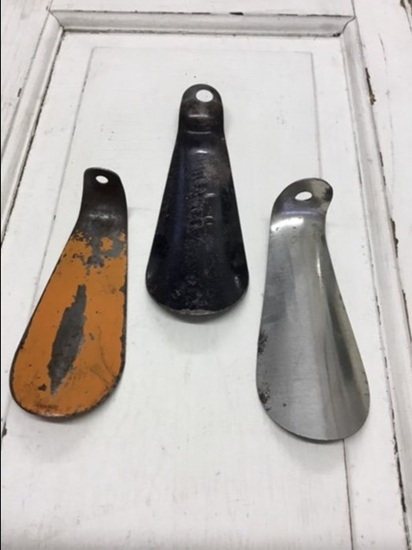
The internet has recently been captivated by a seemingly ordinary object: the humble shoe horn. While often overlooked, this tool plays a crucial role in daily life, simplifying the act of putting on shoes efficiently and safely.
A shoe horn’s primary purpose is straightforward: it prevents damage to a shoe’s heel while allowing the wearer to slide their foot in smoothly. This simple concept has ensured its relevance across centuries and cultures.
Despite its simplicity, the shoe horn boasts a rich and fascinating history, tracing back to the 15th century. Early versions were handcrafted by skilled artisans using locally available materials such as animal horn, wood, or bone.
The choice of material reflected the practical needs of the time. Animal horn, for example, was not only durable but also flexible enough to guide the foot without causing wear to delicate leather shoes.
Early wooden shoe horns were often polished and smoothed, emphasizing both utility and basic aesthetics. Artisans prioritized comfort for the wearer, while simultaneously ensuring longevity and resilience of the tool itself.
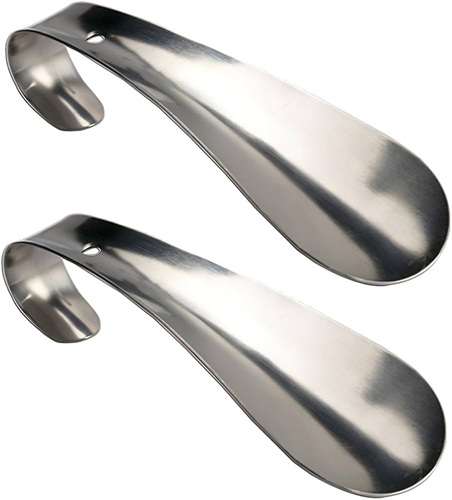
As time progressed, the industrial revolution introduced new possibilities in material and production. Metals like brass, steel, and even nickel began to appear, offering increased strength and durability for everyday use.
The 19th century also saw shoe horns made from silver or other precious metals. Some were intricately engraved or decorated, serving as status symbols among the wealthy while still performing their practical role.
During this period, the tool became not only functional but artistic. Ornamental designs and attention to detail reflected broader cultural trends, where everyday objects were often crafted to combine utility with visual appeal.
With the advent of the 20th century, new synthetic materials, such as plastics, revolutionized the production of shoe horns. Plastic versions were affordable, lightweight, and accessible to a wider population.
This democratization of the shoe horn ensured that people of all social classes could enjoy the benefits of a tool that protected footwear and reduced physical strain while putting on shoes.
Shoe horns have always had a dual purpose: functionality and preservation. By guiding the heel of the foot, they prevent bending or crushing the shoe counter, significantly extending the life of quality footwear.
The importance of this function is particularly evident in formal shoes, boots, and other types of footwear with stiff or narrow openings. Without a shoe horn, inserting the foot can be difficult and damaging.
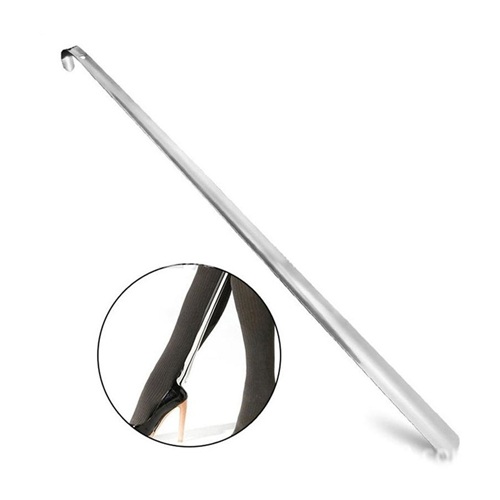
Long-handled shoe horns, sometimes reaching several feet, were designed for those with limited mobility. They allow the user to stand upright while putting on shoes, reducing strain on the back and knees.
Hand-held versions are typically compact, easy to carry, and convenient for travel. These smaller designs ensure that people can use a shoe horn wherever they go, maintaining footwear without sacrificing practicality.
Some modern shoe horns incorporate ergonomic handles or textured grips, providing both comfort and additional control. These adaptations demonstrate ongoing innovation while preserving the core functionality of the tool.
Antique shoe horns often reflect exceptional craftsmanship. Collectors prize them for intricate engravings, carved handles, and the use of high-quality materials such as ivory, silver, or polished horn, which showcase historical artistry.
The variety of shapes, sizes, and materials illustrates both cultural preferences and technological progress. Different regions and eras emphasized unique designs, reflecting local resources and artistic tendencies.
In certain European countries, for example, elaborately designed shoe horns were common gifts, symbolizing refinement and attention to personal appearance. This ceremonial aspect elevated the object beyond mere utility.
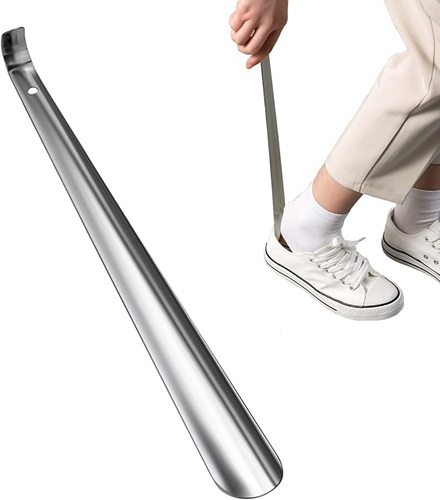
In addition to aesthetic value, shoe horns played a practical role in hygiene. By allowing the foot to slide in smoothly, they reduced friction against the shoe, preventing excessive wear and maintaining the leather’s integrity.
The legacy of the shoe horn demonstrates a successful blend of design, functionality, and practicality. Even today, the tool remains relevant, bridging centuries of fashion, craftsmanship, and daily convenience.
Historians note that the evolution of shoe horns parallels developments in footwear itself. As shoes became more structured and varied in material, the need for a protective insertion tool grew accordingly.
For example, stiff leather boots, popular in the 18th and 19th centuries, could be difficult to put on without damaging the heel. The shoe horn ensured proper alignment and comfort for the wearer.
Modern materials such as molded plastics allow for mass production, affordability, and durability. This accessibility has maintained the shoe horn as a common household item, even in contemporary fashion-conscious societies.
Long-handled shoe horns are particularly valued by the elderly or those recovering from injury. Their design facilitates independence, reducing reliance on others for assistance while putting on shoes.
Beyond utility, antique shoe horns remain highly collectible. Museums and private collections often showcase examples of ornate craftsmanship, highlighting the historical and artistic significance of these everyday objects.
Collectors appreciate that these objects reveal cultural priorities and technological capabilities of their time. The choice of material, decorative style, and ergonomic design all provide insight into past lifestyles.
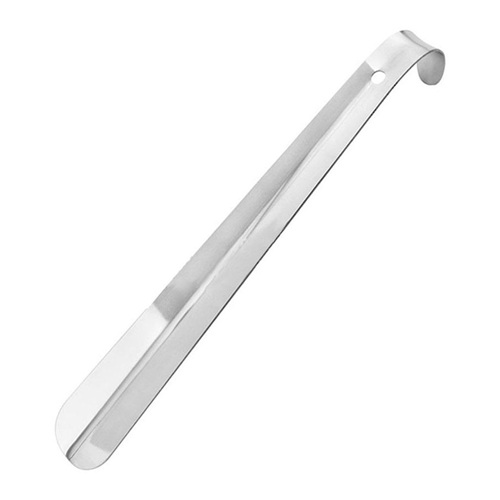
In some regions, shoe horns were also used as status symbols. A finely crafted, silver-plated horn could indicate wealth, refinement, and attention to personal grooming, illustrating the intersection of fashion and function.
The use of shoe horns continues to be practical in modern life. For individuals wearing formal shoes, loafers, or tight-fitting footwear, they prevent discomfort and prolong the life of high-quality shoes.
Ergonomic designs are increasingly common, with curved shapes that follow the natural contour of the foot, reducing effort and friction. This demonstrates how the tool has adapted to contemporary needs without losing its essential purpose.
In addition to household and travel use, shoe horns are employed in professional settings such as hotels or luxury retail stores, enhancing customer experience by facilitating comfortable and stylish footwear use.
Some high-end brands even produce custom shoe horns, aligning design with the brand’s aesthetic while retaining practical utility. This modern iteration reflects both tradition and adaptation to contemporary luxury markets.
Technological innovation also contributes to the shoe horn’s evolution. Lightweight alloys and high-strength plastics allow for durable tools that resist warping, breaking, or bending, ensuring long-lasting functionality.
Travel versions often fold or telescope for portability, addressing the needs of frequent travelers. Compact design ensures that users can carry a shoe horn discreetly in luggage or briefcases.
Historically, shoe horns also played a symbolic role. In certain cultures, offering a shoe horn as a gift conveyed wishes for good fortune, comfort, and attention to detail in daily life.
In addition, the ergonomic benefit cannot be overstated. By easing insertion, shoe horns reduce strain on feet, ankles, and knees, especially beneficial for those with arthritis, injuries, or reduced mobility.
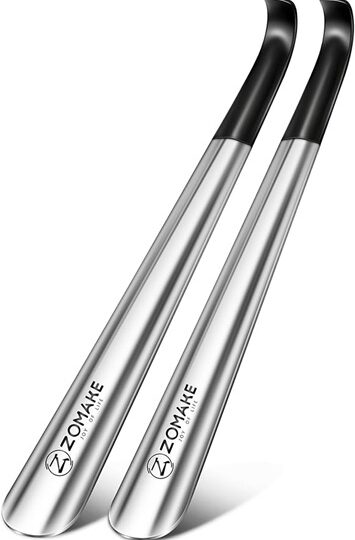
While plastic versions dominate today’s market, horn, wood, and metal examples are still appreciated for their aesthetic and tactile qualities. Traditional materials evoke craftsmanship and a connection to historical practices.
The evolution of the shoe horn highlights broader societal changes. Industrial production, material science, and aesthetic trends all influenced its form and function, demonstrating the intersection of innovation and daily utility.
Even children’s footwear sometimes incorporates shoe horns, introducing young users to this simple tool while fostering habits that extend shoe life and maintain proper fit.
Fashion designers and cobblers emphasize that shoe horns are critical for maintaining shape and comfort, particularly in delicate or high-end shoes, where repeated bending can lead to irreversible damage.
As a cultural artifact, the shoe horn offers insight into historical fashion, social status, and technological progress. Its continued use underscores its enduring practicality and relevance across generations.
In conclusion, the humble shoe horn embodies centuries of innovation, design, and functionality. From handcrafted horn and wood versions to modern ergonomic and portable designs, it remains indispensable in daily life, blending utility with historical significance.

