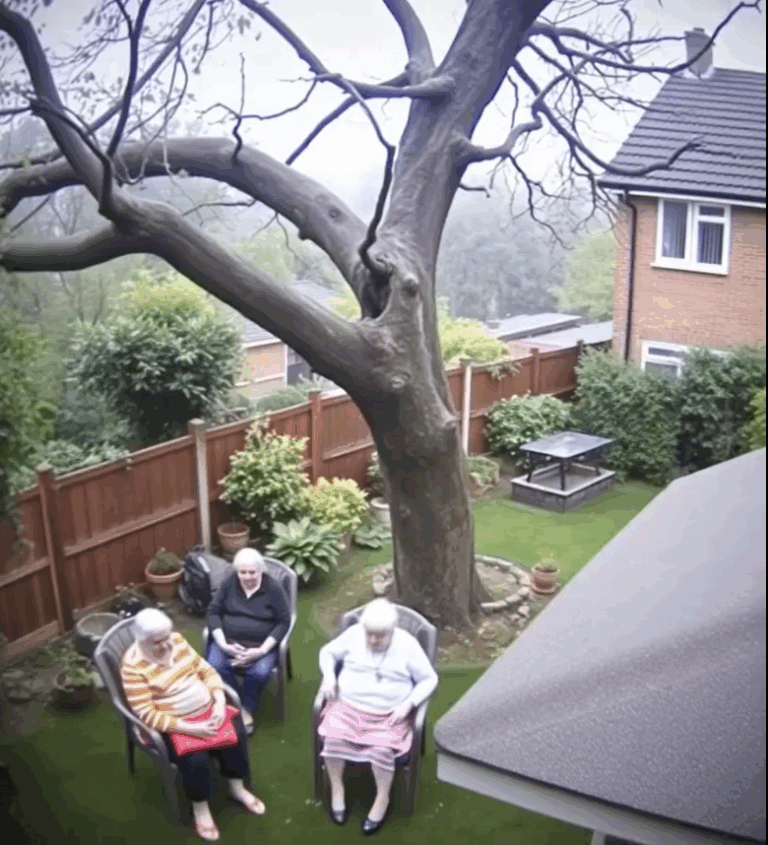
Removing large trees is inherently risky, even for experienced workers. When amateurs without proper training or equipment attempt tree felling, the consequences can be dangerous, costly, and sometimes life‑threatening for everyone nearby.
In recent years, numerous videos showing tree removal gone wrong have gone viral online. A popular clip titled “Dangerous Idiots Tree Felling With Chainsaw: Big Tree Removal Fails Falling On Houses” highlights just how quickly mistakes escalate.
These dramatic clips have been shared widely on social media platforms, generating millions of views as people react with horror, disbelief, or disbelief at the sheer scale of the blunders captured on film.
What viewers see in these videos is not just humorous content — it is a clear warning about the serious hazards associated with improper tree cutting, and an important reminder to avoid DIY tree felling.
In many of the failed attempts, people underestimate just how complex tree physics can be. Trees are heavy, unpredictable, and influenced by forces like wind, internal tension, and gravity that require careful planning to manage.
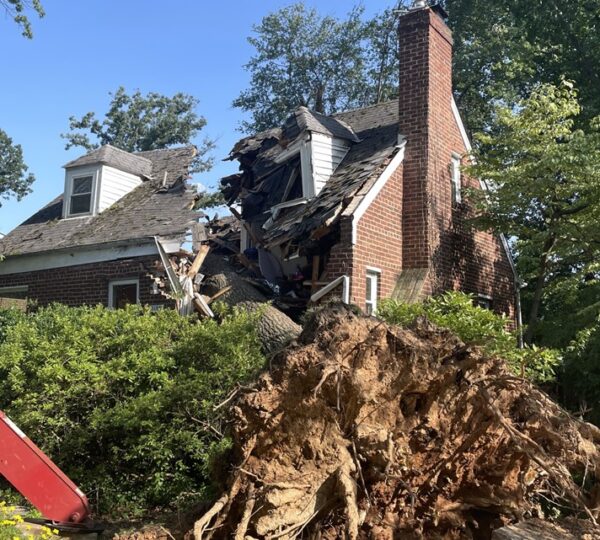
Amateurs often begin by making a cut without fully evaluating the tree’s lean, weight distribution, or surroundings, a mistake that frequently results in trees falling in the wrong direction instead of the intended safe zone.
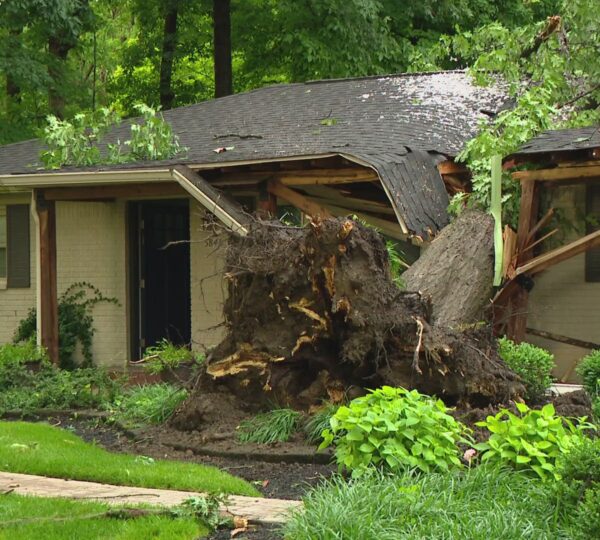
When falling timber strikes buildings, vehicles, fences, power lines, or other structures, the damage can be extensive. Property owners have reported tens of thousands of dollars in losses from such incidents.
Some scenes in the viral footage show trees crashing through rooflines, smashing windows, and crushing parked cars, emphasizing the wide reach of collateral damage caused by a single miscalculation.
The chaos unfolds quickly. In a moment a tree stands tall and still; in the next it topples sideways unexpectedly, sending splinters and debris flying into yards, gardens, and adjacent structures with frightening force.
Common errors captured on film include poor notching, where the initial angled cut fails to direct the tree’s fall, and improper back‑cutting, where the final cut is made at the wrong height or depth for controlled felling.
In other cases, cutters overlook the basic rule of escape routes. After making the cut, they remain in the tree’s potential fall path, placing themselves in direct danger as the tree descends unpredictably.
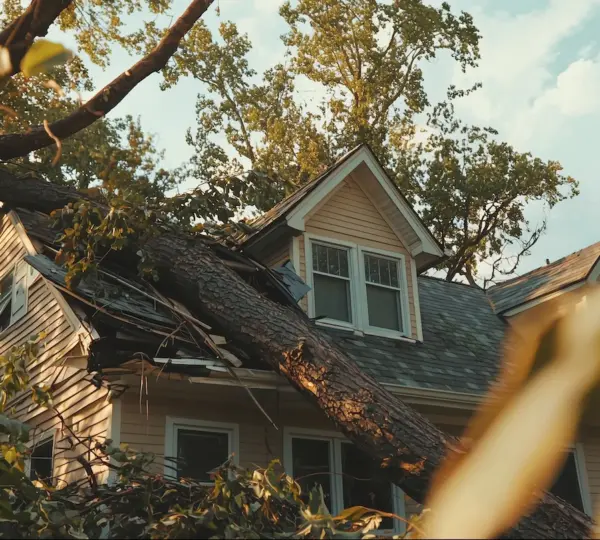
Wind direction is another factor that nonprofessionals too often ignore. A sudden gust can change a tree’s fall trajectory, turning a seemingly safe operation into a disaster in a matter of seconds.
Many DIY cutters also underestimate the strength and weight of branches. As a large tree begins to fall, limbs snapping off can ricochet unpredictably, creating additional hazards for people and property alike.
Chainsaw use itself presents its own risks. Without proper protective gear — including helmets, face shields, gloves, and chainsaw trousers — operators are vulnerable to kickback, loss of control, and serious injury.
Kickback is one of the most dangerous chainsaw occurrences, where the moving chain catches and throws the saw upward toward the operator, often causing deep cuts or trauma if safety practices are neglected.
Inexperienced users may also fail to maintain their equipment properly. Dull chainsaw chains, loose components, and inadequate lubrication can make cutting inefficient and increase the likelihood of binding, stalling, or slipping.
Binding occurs when the cut closes around the saw blade, potentially causing the operator to lose control. In extreme cases, a bound saw becomes a life‑threatening hazard rather than a tool for safe removal.
The videos also highlight incidents where tree stumps are left unstable, leading to unintentional toppling long after the initial cuts are made, further illustrating the unpredictability of improper techniques.
Without understanding forces like compression and tension within a tree’s trunk and branches, amateur cutters can be completely unaware of potential stored energy that releases suddenly as cuts are deepened.
Some failed attempts have even shown tree sections falling over open doors or slivers of lawn, apparently defying expectations and exacting expensive damage from homeowners who assumed basic cutting would be sufficient.
These dramatic failures emphasize the need for proper training and experience before attempting any significant tree removal, especially near homes, power lines, public sidewalks, or other critical infrastructure.
Professional arborists spend years learning how to evaluate tree health, lean direction, branch weight, root stability, and other variables that determine a safe and predictable felling process.
An arborist’s assessment begins long before the first cut. They study the tree’s species, age, existing rot or disease, soil conditions, and nearby hazards, creating a detailed plan that minimizes risk to people and structures.
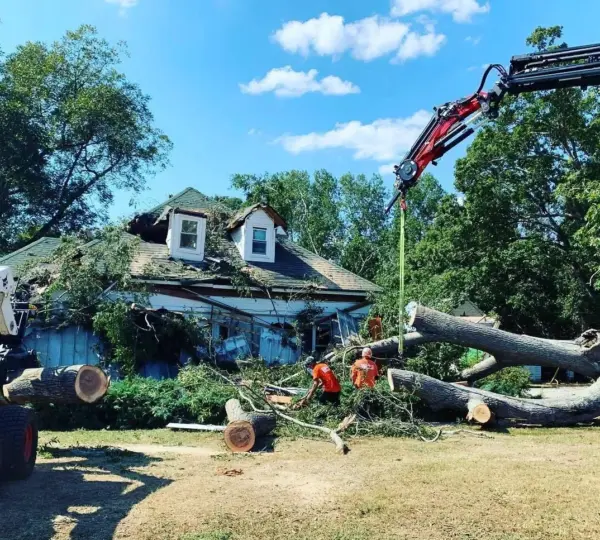
Professionals use specialized equipment that is far more advanced than a typical consumer‑grade chainsaw. This often includes rigging hardware, pulleys, cranes, and protective barriers that help guide cut sections safely to the ground.
In many urban tree removals, arborists will “section” a tree, removing it limb by limb with ropes and harnesses, rather than felling the entire trunk in a single drop that could endanger nearby property.
Equipment such as directional felling wedges is also used by trained workers to influence the fall of a tree and keep it from pinching the saw, reducing the risk of kickback and increasing operator control.
Professional arborists also carry liability insurance and understand local codes, permitting requirements, and utility clearance protocols, ensuring tree removal complies with safety standards and legal responsibilities.
Tree removal in proximity to power lines is especially hazardous. Contact with electrical lines can result in electrocution or fires. Arborists coordinate with utility companies to de‑energize lines or work at safe distances.
In contrast, amateurs may fail to recognize the invisible danger of live electrical wires tucked within leafy canopies, leading to potentially fatal outcomes when a limb or trunk unknowingly contacts a power source.
Weather also plays a significant role in tree cutting safety. Professionals monitor forecasts and avoid cutting during rain, high winds, or icy conditions, whereas amateurs often proceed despite unfavorable weather risks.
Moist bark and wet wood can be slippery and unpredictable, making saw handling more difficult and increasing the likelihood of slips, misaligned cuts, and the loss of balance for the operator.
Seasonal considerations are also essential. Trees can be under different internal stresses depending on whether they are dormant, in bloom, or subject to drought stress, changing how they respond to cutting.
Another aspect amateurs may overlook is the long‑term stability of stumps. Improperly cut stumps can leave jagged surfaces that rot unevenly, interact with soil differently, and create hazards for lawnmowers and foot traffic.
Despite all these risks, the appeal of DIY projects remains strong for many homeowners seeking to save money or take pride in doing work themselves, even when the danger outweighs the benefit.
Insurance claims related to DIY tree removal failures have risen in recent years, with property owners reporting damages ranging from shattered windows to total roof replacement after falling limbs or trunks strike structures.
In addition to property damage, medical costs from chainsaw injuries are often substantial. Emergency room visits for lacerations, broken bones, and trauma require extensive treatment that far exceeds the cost of hiring professionals.
Studies by consumer safety organizations consistently show that amateur chainsaw users account for a disproportionate number of serious injuries annually, highlighting the risk differential between trained professionals and casual DIYers.
These failures captured on film serve as potent reminders that tree felling is not a trivial chore but a serious undertaking requiring knowledge, skill, and the right tools for the job.
Courts and legal professionals have also seen cases where backyard tree felling led to lawsuits, particularly when falling trees damage neighboring properties or injure bystanders not involved in the initial cutting.
In some communities, local ordinances require permits for tree removal, especially for specimens above a certain size or near public easements, reinforcing the importance of involving certified professionals rather than acting alone.
Licensed arborists also understand how to advise on replanting, tree health management, and removal alternatives such as pruning, cabling, or risk mitigation without complete felling.
Sound arboricultural practice includes regular inspections, recognizing diseases such as root rot or fungal decay, and advising on preventative care that reduces the need for full removal unless absolutely necessary.
Education is another pillar of professional service. Arborists often work with homeowners to explain potential risks, timelines, safety protocols, and best practices before beginning any cutting operation.
The online community’s fascination with tree felling fails also reflects a broader trend of viral videos capturing dangerous DIY mishaps, from ladder falls to home electrical work, emphasizing the gap between appearance and real skill.
While some may watch these clips for entertainment, the underlying message is serious: without proper training, misunderstanding the mechanics of trees and cutting tools can have dire consequences.
In many cases, the most sensible response is not ridicule but recognition that expertise exists for a reason — trained professionals make difficult tasks look effortless because they understand the science behind them.
For homeowners considering tree removal, the safest course remains hiring licensed, insured arborists capable of evaluating site conditions, crafting a safe plan, and executing it with precision and care.
This video of dangerous tree felling fails thus becomes more than online spectacle — it stands as a cautionary tale urging respect for nature’s complexity and the limits of our own abilities.
Tree removal is a job that combines physical labor with engineering judgment, situational awareness, and risk assessment — skills best left to those with proper experience and certification.
In conclusion, while DIY culture celebrates independence and resourcefulness, tree felling is one task where the potential cost far outweighs the pride of doing it yourself.
By investing in professional services, homeowners protect themselves, their families, and their property from the very real dangers that come with misjudged cuts, misplaced confidence, and underestimated tree physics.
The message is clear: chainsaws do not forgive mistakes — but professionals know how to manage them safely.
