
Country singer-songwriter “Country Joe” McDonald, a defining voice of the 1960s protest movement and a Woodstock icon, has passed away at the age of 84. His music and activism left an enduring legacy across generations.
Born Joseph Allen McDonald on January 1, 1942, in Washington, D.C., he spent much of his childhood in California. From an early age, he was drawn to music, absorbing the folk traditions that would shape his artistic trajectory.
McDonald cited folk legend Woody Guthrie as one of his greatest influences. Guthrie’s blend of storytelling, social consciousness, and political engagement inspired McDonald to view music not merely as entertainment, but as a vehicle for meaningful change.
After serving in the United States Navy, McDonald fully committed to pursuing music professionally. The discipline of his military service, combined with early exposure to folk and protest music, prepared him for the complex social challenges of the 1960s.
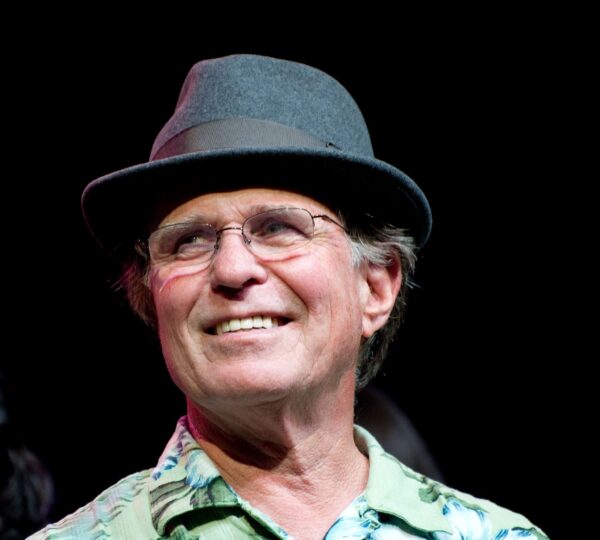
By the mid-1960s, McDonald had relocated to Berkeley, California, a hub for countercultural activity. The city’s political energy and artistic experimentation became the perfect environment for his growing interest in blending music with activism.
McDonald’s early compositions fused folk, rock, and political commentary. His work captured the urgency of civil rights struggles, anti-war protests, and broader social upheavals, reflecting the frustrations and hopes of a generation grappling with widespread societal change.
In the mid-1960s, he founded the psychedelic rock band Country Joe and the Fish, serving as its charismatic lead vocalist. The band became known for electrifying performances, satirical lyrics, and engagement with the pressing political issues of the era.
Their song “I-Feel-Like-I’m-Fixin’-to-Die Rag” became an unmistakable anti-Vietnam War anthem. Its witty, sardonic lyrics combined dark humor with pointed political critique, resonating with a generation confronting the devastating realities of global conflict.
In a 2015 interview with the San Francisco Chronicle, McDonald reflected that the song’s impact extended beyond the United States, reaching soldiers and civilians in Vietnam, illustrating the profound way music can validate shared human experiences during crises.
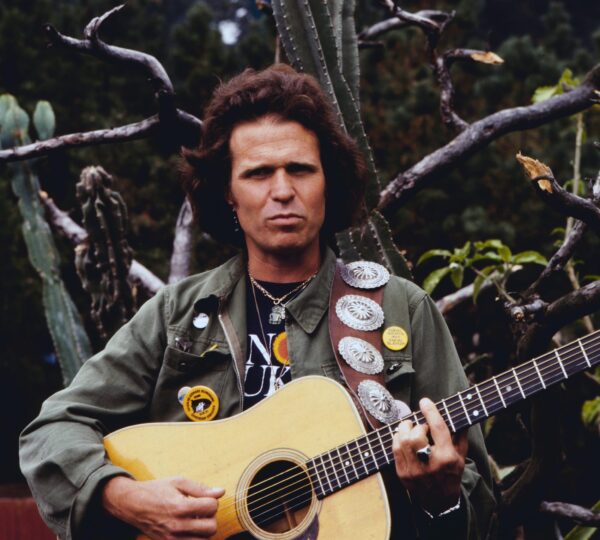
Throughout the late 1960s, McDonald and his band toured extensively, merging humor, theatricality, and psychedelic soundscapes. Their concerts were immersive experiences, blending protest messages with innovative stagecraft, captivating audiences while raising awareness of pressing social issues.
In 1969, Country Joe and the Fish performed at the legendary Woodstock festival, solidifying McDonald’s reputation as a musical and cultural icon. Woodstock represented a defining moment in American music history, and McDonald’s performance became emblematic of the counterculture spirit.
During their set, McDonald led the audience in the famous “Fish Cheer,” an interactive chant that engaged thousands. This moment was immortalized in the Oscar-winning documentary “Woodstock: 3 Days of Peace & Music,” ensuring his place in cultural history.
The “Fish Cheer” symbolized collective rebellion, youthful empowerment, and resistance to conventional norms. It demonstrated how music could unify audiences in a shared experience, blending entertainment with pointed social commentary and protest.
Following Woodstock, McDonald continued to advocate for social and political causes. He used his music to address veterans’ rights, environmental concerns, and social justice, illustrating a lifelong commitment to activism that transcended the stage and studio.
McDonald’s discography spanned decades, including dozens of albums and hundreds of songs. His work combined humor, satire, and earnest reflection, creating a rich artistic legacy that both entertained and provoked thought for audiences worldwide.
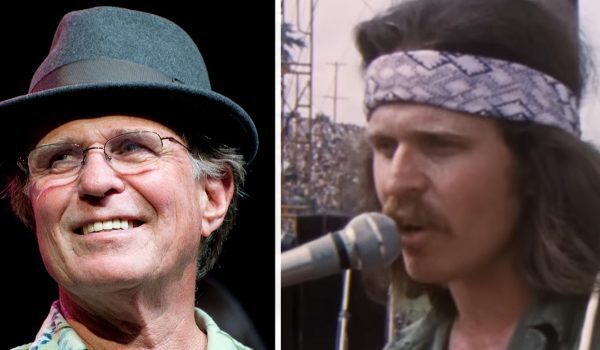
His influence on contemporary and future musicians was substantial. McDonald’s integration of folk traditions with psychedelic rock inspired other artists to explore socially conscious music, demonstrating that popular culture could also be a platform for activism.
Despite widespread fame, McDonald remained grounded in the communities and causes he supported. He frequently performed at benefit concerts and engaged with initiatives aiding marginalized groups, exemplifying the principle that music could catalyze real-world change.
In interviews, he emphasized music’s capacity to unite people. Songs like “I-Feel-Like-I’m-Fixin’-to-Die Rag” empowered listeners through shared emotional and political experience, proving that music could be both a personal and collective form of expression.
McDonald’s personal life was closely tied to family and community. He was married to Kathy McDonald, who announced his death on March 7, 2026, at their Berkeley, California, home. Their marriage spanned decades of partnership in music and activism.
He is survived by five children—Seven, Devin, and Ryan McDonald, Tara Taylor McDonald, and Emily McDonald Primus—and four grandchildren. His brother Billy also survives him, preserving the family’s legacy of creativity, advocacy, and social engagement.
McDonald’s passing was attributed to complications from Parkinson’s disease, a condition he managed with courage and dignity. Despite significant health challenges, he remained active both creatively and socially throughout his later years.
News of his death prompted tributes from fans, musicians, and activists worldwide, recognizing his enduring contributions to both music and social justice. His commitment to meaningful expression and activism resonated across generations.
Obituaries emphasized his role as one of the defining voices of the 1960s counterculture, a period of profound civil rights activism, anti-war demonstrations, and cultural awakening that challenged societal norms and inspired widespread change.
McDonald’s music continues to reach younger audiences through streaming platforms, documentaries, and archival materials. His songs remain relevant, illustrating the continued power of artistic expression in shaping awareness and inspiring action.
While no public memorial has been announced, tributes have emerged globally. Social media, cultural institutions, and music festivals have honored his contributions, demonstrating how his influence transcended his lifetime and geographical boundaries.
Archival recordings, interviews, and historical accounts preserve McDonald’s legacy, providing insight into his role in the 1960s counterculture. His life exemplifies the enduring intersection of art, activism, and personal conviction in shaping public discourse.
McDonald’s creative trajectory combined innovation, courage, and social responsibility. His work demonstrated how musicians could entertain while challenging societal norms, using wit, intellect, and artistry to engage audiences meaningfully.
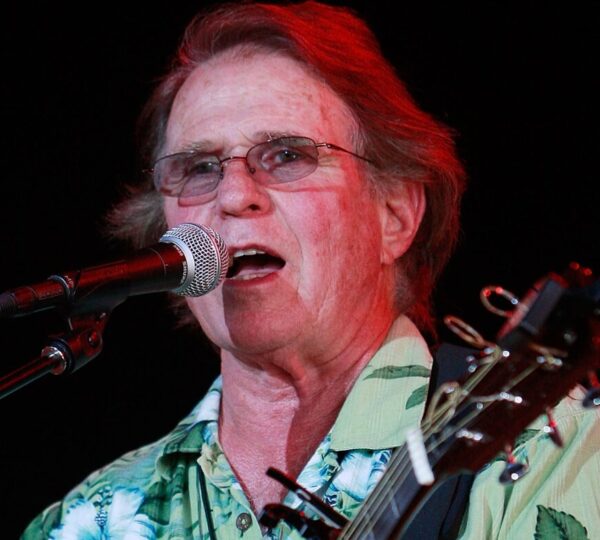
Over decades of social change, McDonald remained steadfast in his principles. He consistently advocated for peace, equality, and justice, using his platform to inspire artists, activists, and audiences to consider their responsibilities in shaping society.
The spirit of Woodstock, the Fish Cheer, and his politically infused songwriting endure as cultural landmarks. McDonald’s influence on American music and protest culture continues to shape discussions about art, advocacy, and social responsibility.
Ultimately, Country Joe McDonald’s life illustrates music’s power to bridge divides, amplify social movements, and inspire reflection on personal and collective responsibilities. His legacy remains a testament to artistic and ethical commitment.
Rest in peace, Country Joe McDonald. His contributions to music, activism, and cultural history will not be forgotten. Fans, family, and communities around the world mourn an icon whose life changed countless lives.
