
The sudden and heartbreaking passing of a young woman named Ana has stirred deep grief within her community and sparked an urgent public conversation about reproductive health awareness, early medical intervention, and the importance of recognizing serious symptoms.
At just twenty years old, Ana stood at the threshold of adulthood, a stage often filled with dreams, education, and personal growth.
Her life ended unexpectedly after severe medical complications reportedly connected to menstrual-related health issues. While menstruation itself is a normal biological process experienced by millions of women worldwide, medical professionals stress that complications related to reproductive health can sometimes arise when underlying conditions remain undiagnosed or symptoms go untreated.
Ana’s death shocked those who knew her personally because she was widely described as energetic, optimistic, and deeply compassionate. Friends recall a young woman who carried enthusiasm into every room and approached life with determination and kindness.
Her family remembers her as someone who balanced ambition with humility. She was working toward building a future filled with professional aspirations and personal goals, making her sudden loss even more devastating to those closest to her.

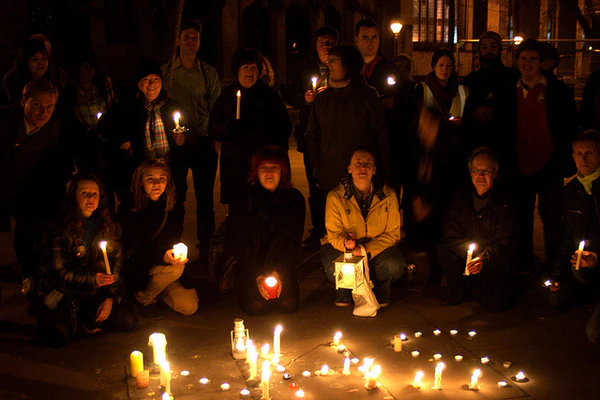
Community members gathered in quiet vigils, lighting candles and sharing stories that painted a picture of a life filled with laughter, dedication, and generosity. Social media posts quickly became digital memorials celebrating the impact she had on others.
Many of these tributes highlighted the contrast between the vibrant young woman people knew and the sudden medical emergency that took her life. For many observers, the tragedy raised troubling questions about how such a crisis could occur.
Medical specialists emphasize that menstrual cycles are generally healthy and routine, but they can sometimes coincide with or reveal underlying medical conditions that require professional evaluation and treatment. Recognizing warning signs can be critical.
One of the most widely discussed concerns among health professionals is the normalization of extreme menstrual pain. For generations, severe discomfort during periods has often been dismissed as something women must simply tolerate.
Doctors increasingly warn that this mindset can be dangerous. While mild to moderate cramps are common, pain that becomes debilitating, persistent, or significantly worse over time may signal an underlying medical condition.
Conditions such as endometriosis, polycystic ovary syndrome, and hormonal imbalances can sometimes produce severe symptoms during menstruation. These conditions are medically recognized disorders that may require evaluation, diagnosis, and appropriate treatment.
Endometriosis, for example, occurs when tissue similar to the uterine lining grows outside the uterus. This can lead to significant pain, inflammation, and other complications that may worsen during menstrual cycles.

Polycystic ovary syndrome, commonly called PCOS, is another condition affecting hormonal balance. It can influence menstrual cycles, fertility, metabolism, and overall health, requiring ongoing monitoring and medical management in some cases.
Another rare but serious condition occasionally discussed in public health conversations is toxic shock syndrome. This condition is caused by bacterial toxins and requires immediate medical attention when symptoms appear.
Symptoms of toxic shock syndrome may include sudden fever, dizziness, low blood pressure, confusion, or rash. Although uncommon, early recognition and rapid treatment are essential for recovery.
Severe anemia can also develop in individuals experiencing heavy menstrual bleeding over extended periods. When iron levels drop significantly, the body may struggle to supply adequate oxygen to organs and tissues.
Fatigue, dizziness, pale skin, and shortness of breath can sometimes signal anemia. Doctors recommend medical evaluation if menstrual bleeding becomes unusually heavy or prolonged beyond typical patterns.
Health experts emphasize that every person’s body is different, meaning menstrual experiences can vary widely. However, dramatic changes in symptoms, intensity, or cycle patterns should always be discussed with a qualified healthcare provider.
Ana’s story has therefore become part of a larger conversation about recognizing warning signs early and encouraging individuals to seek medical guidance without hesitation when symptoms appear unusual or severe.
Advocates say that stigma surrounding menstruation still discourages open conversations about reproductive health in many communities. Cultural discomfort often leads people to treat menstrual health as a private or embarrassing topic.

When discussions about menstruation are avoided, young people may grow up without clear information about what constitutes a normal cycle. This knowledge gap can delay medical care when concerning symptoms develop.
Health educators argue that accurate, science-based reproductive education is one of the most effective ways to reduce preventable health risks and empower individuals to understand their bodies.
Schools, families, and healthcare providers all play important roles in ensuring that young people learn about menstrual health, hormonal cycles, and the importance of seeking professional care when something feels wrong.
Routine medical checkups can also help identify reproductive health concerns before they become serious. Regular conversations with healthcare providers allow individuals to discuss symptoms openly and receive guidance.
Gynecological examinations and health screenings, when appropriate for age and medical history, may detect conditions that otherwise remain hidden until symptoms become severe.
Public health specialists note that early diagnosis significantly improves the management of many reproductive disorders, reducing the risk of complications and improving quality of life for patients.
Ana’s passing has therefore become a powerful reminder of how essential medical awareness and access to healthcare truly are. Communities often learn the importance of these issues through difficult experiences.
Her friends continue to share memories describing her sense of humor, generosity, and ability to support others. Many say she was the type of person who naturally brought people together.
Family members have spoken about her determination to build a meaningful future. She dreamed of establishing a career, traveling, and contributing positively to the lives of those around her.
The emotional impact of losing someone so young often extends far beyond immediate relatives. Entire communities can feel the absence when a life filled with promise ends unexpectedly.
In response, local organizations have begun encouraging more open discussions about reproductive health, emphasizing that medical concerns should never be ignored or minimized.
Community leaders also stress that healthcare access, education, and supportive dialogue can save lives by helping individuals recognize symptoms early and seek proper care.
Experts frequently repeat a key message: pain that interferes with daily activities is not something people should simply endure. Persistent or severe symptoms deserve careful medical evaluation.
Understanding the difference between normal discomfort and warning signs is an important part of maintaining reproductive health. Education allows individuals to make informed decisions about when to seek help.
Medical professionals recommend paying attention to symptoms such as sudden intense pelvic pain, extremely heavy bleeding, fainting, or unusual weakness during a menstrual cycle.
If these symptoms appear, prompt medical assessment can determine whether they are caused by a manageable condition or something requiring urgent treatment.
Public health researchers also emphasize the importance of reducing stigma so that conversations about menstruation become as normal as discussions about other aspects of health.
Open dialogue allows families, teachers, and healthcare professionals to share reliable information and address misconceptions that may prevent people from seeking care.
Ana’s story illustrates how personal tragedy can inspire broader awareness campaigns aimed at improving public understanding of women’s health issues.
Advocates hope that the attention surrounding her passing will encourage individuals to listen carefully to their bodies and communicate openly with healthcare providers about symptoms.
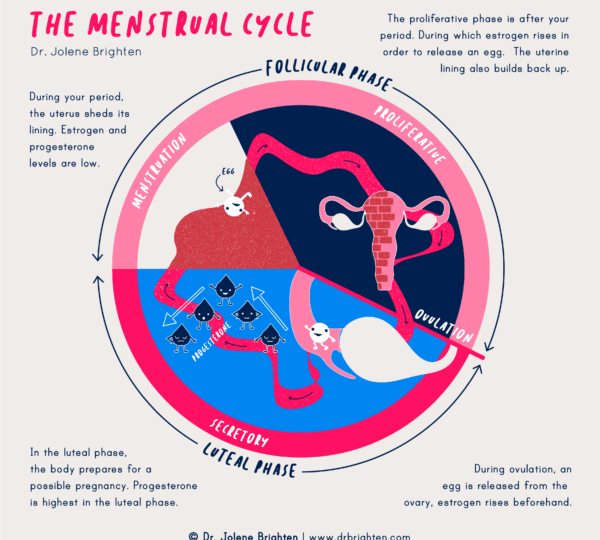
Many women’s health organizations emphasize that knowledge is one of the most powerful tools in preventing medical emergencies related to reproductive health.
Educational campaigns often encourage individuals to track menstrual cycles, note unusual symptoms, and seek advice when patterns change significantly.
These simple practices can help healthcare providers identify potential conditions earlier and recommend treatments that reduce long-term health risks.
The broader message emerging from Ana’s story is not one of fear, but of awareness, compassion, and responsibility toward personal health.
Communities around the world continue working to ensure that reproductive health education becomes more accessible, accurate, and free from stigma.
Improved education helps people understand that menstrual cycles are natural biological processes while also recognizing that unusual symptoms deserve medical attention.
By encouraging open communication and reliable information, public health advocates aim to create a culture where individuals feel comfortable discussing reproductive health without embarrassment.
Ana’s memory now carries a deeper meaning for those who knew her and those who learned about her story afterward.
Her life, though tragically short, has inspired conversations that may ultimately help others recognize health risks earlier and receive appropriate care.
For her family and friends, the grief remains profound, but they also hope that awareness raised through her story will protect other young women in the future.
Every shared memory, tribute, and conversation about health education contributes to a broader effort to ensure that preventable medical crises become less common.
Through continued awareness, compassion, and education, communities hope to transform loss into meaningful progress in reproductive health understanding.
In this way, Ana’s story has become a reminder that listening to the body, seeking medical guidance, and supporting open health conversations can make a real difference.
Her legacy now lives on not only in the memories of those who loved her but also in the growing commitment to protect the health and well-being of future generations.
