
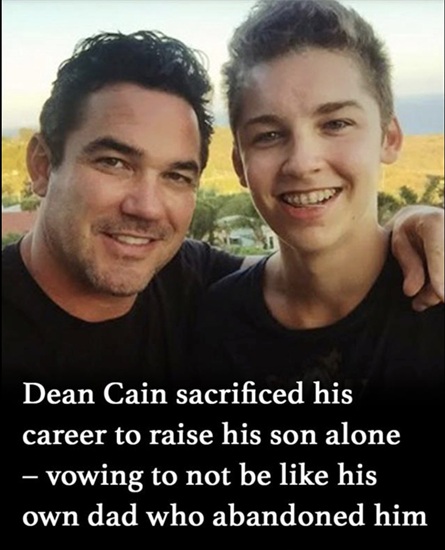
Having a father figure present in a child’s life is widely recognized as a critical factor for emotional stability and personal growth.
Children with attentive fathers often display higher confidence, resilience, and a stronger sense of security throughout their formative years.
Dean Cain, the acclaimed actor, exemplifies this principle through his unwavering dedication to his son, demonstrating that being a present parent sometimes requires significant personal sacrifices.
Cain’s journey highlights the importance of fatherhood over career ambition, showing how parental commitment can shape a child’s future.
Dean Cain’s life in the public eye has been shaped by his roles as an actor, host, and public personality, yet his personal story reveals a man whose priorities shifted profoundly once he became a father.
Born Dean George Tanaka on July 31, 1966, in Mount Clemens, Michigan, Cain’s early life was marked by family challenges. His biological father, Roger Tanaka, left the family when Dean was just a toddler, leaving his mother, Sharon Tanaka, to navigate single parenthood.
This early abandonment profoundly influenced Cain’s understanding of fatherhood and parental responsibility.
When Cain was three, his mother remarried Christopher Cain, a film director who legally adopted Dean and his brother.
Dean legally changed his last name to Cain, symbolizing the profound role his adoptive father played in his upbringing.
He has often credited Christopher Cain with providing stability, guidance, and a model of engaged fatherhood. Cain has spoken publicly about never having a relationship with his biological father, remarking, “My biological father is Japanese. I never knew him, never met him,” emphasizing the contrast between absence and presence in parenting.
Before pursuing acting, Cain had athletic ambitions. He dreamed of becoming a professional football player and showcased remarkable talent in the sport.
Unfortunately, a knee injury prematurely ended his football career, forcing him to reconsider his path. This turning point led Cain toward acting, a decision that would eventually bring him fame and recognition.
Despite the shift in his professional aspirations, the lessons of perseverance, discipline, and dedication he learned as an athlete continued to shape his personal and professional life.
Cain’s breakout role came in 1993 with the television series “Lois & Clark: The New Adventures of Superman,” in which he portrayed the iconic superhero.
The show cemented his place in pop culture and led to numerous roles in film and television. Despite achieving fame, Cain’s personal life remained a central focus, especially after the birth of his son, Christopher, in June 2000.
Christopher’s arrival marked a transformative moment, reshaping Cain’s priorities and redefining his understanding of success and fulfillment.
Christopher Cain was born to Dean and his then-girlfriend, Samantha Torres, a former model and Playboy Playmate. The couple’s relationship faced challenges, ultimately leading to a custody battle over their son.
Cain’s commitment to fatherhood became evident during this period, as he tirelessly worked to ensure his son’s well-being. His dedication culminated in 2011 when he was awarded sole custody, cementing his role as the primary caregiver and guiding force in Christopher’s life.
Cain’s approach to parenting is hands-on and deeply involved. He personally cooks meals for his son, demonstrating care through daily routines.
In interviews, he has described his culinary efforts, saying, “I cook every meal for my child. If I don’t cook, he doesn’t eat. I cook a very mean steak,” reflecting both responsibility and affection.
Cain’s devotion extends beyond meals; he actively participates in his son’s education, extracurricular activities, and personal development, ensuring a balanced upbringing.
Maintaining this level of involvement required significant sacrifices, particularly in balancing his career with parental responsibilities.
Cain often turned down acting opportunities, hosting roles, and other professional engagements to attend events, such as PTA meetings, football games, and jiu-jitsu tournaments, underscoring his philosophy that his son’s well-being came above all else.
These choices reflect a conscious effort to model the values of presence, reliability, and commitment for his child.
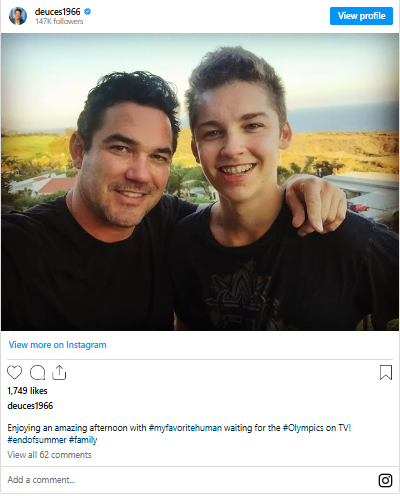
The bond between Dean and Christopher Cain is evident not only in interviews but also on social media. Cain frequently shares moments with his son, including trips, special occasions, and everyday experiences.
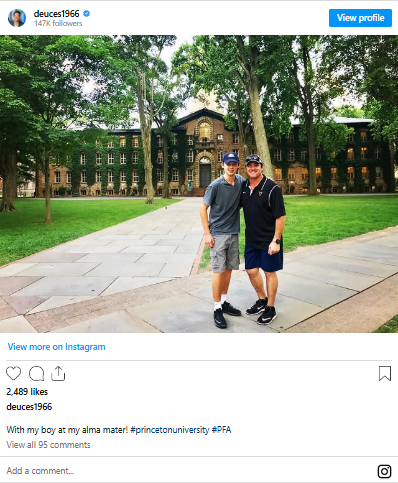
One notable example is a tour of Princeton University, Cain’s alma mater, which he organized to introduce Christopher to his educational roots.
These shared experiences strengthen their connection and provide a sense of continuity, heritage, and mutual respect within their father-son relationship.
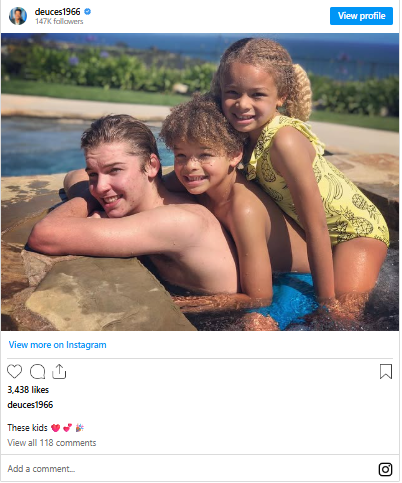
Cain also embraces a blended family dynamic. Christopher has two half-siblings, twins Elijah and Isabelle, from his mother’s subsequent relationships.

Cain has expressed his affection for them, saying, “I’d do anything for those two. It can be defined as a broken home, but if you hang out at our house, that’s the last thing you’ll think.”
This inclusive approach demonstrates Cain’s commitment to nurturing positive family relationships, regardless of biological ties.
Throughout his parenting journey, Cain has emphasized the importance of presence over perfection. He acknowledges the challenges of juggling professional obligations while remaining fully engaged in his son’s life.
Despite the difficulties, Cain has consistently prioritized Christopher’s needs, modeling patience, responsibility, and emotional intelligence. His approach reflects a belief that active involvement in a child’s daily life is more valuable than material success or public acclaim.
Cain’s relationship with his son has also been marked by mutual respect and shared interests. They often participate in activities together, from sports to creative endeavors, fostering trust and companionship.
Cain’s dedication to attending his son’s events, celebrating achievements, and supporting personal growth exemplifies a parenting style grounded in engagement, encouragement, and genuine enjoyment of his child’s company. This holistic approach has contributed to a deep and enduring father-son bond.
As Christopher approached adulthood, Cain’s professional life gradually expanded. He resumed leading roles in film and television once his son graduated from high school, demonstrating that career ambitions can coexist with committed parenting when approached strategically.

Cain’s choices highlight the long-term benefits of prioritizing family, illustrating how early sacrifices in favor of parental engagement can lead to lasting fulfillment and personal satisfaction.
Cain’s narrative underscores the broader significance of fatherhood in child development. Children benefit immensely from consistent, attentive, and supportive parenting, which fosters emotional resilience, confidence, and social competence.
Cain’s story serves as a testament to the transformative impact of engaged fathers, illustrating how dedication and presence can shape a child’s character, values, and life trajectory in profound ways.
In addition to personal involvement, Cain has spoken publicly about fatherhood, advocating for the importance of parental presence.
His reflections often contrast his own experiences with absent fathers, highlighting the lifelong influence a parent can have.
By prioritizing his son’s needs and being consistently available, Cain has created a nurturing environment that supports emotional growth, moral development, and the cultivation of meaningful relationships.
Social media provides further insight into Cain’s family life. Regular posts showcase father-son adventures, from travel and cultural experiences to simple domestic moments.
These glimpses reveal a dynamic, engaged, and affectionate relationship that extends beyond public appearances.
The transparency and openness of these interactions reinforce the message that committed parenting is both visible and impactful, resonating with audiences who value family-centered narratives.
Cain’s parenting philosophy also emphasizes adaptability and problem-solving. He has managed complex situations, including co-parenting dynamics and professional obligations, by remaining flexible, patient, and solution-oriented.
This approach illustrates how engaged fathers navigate modern challenges, balancing personal ambitions with the demands of nurturing and guiding children through formative experiences.
In reflecting on his own upbringing, Cain often acknowledges the positive influence of his adoptive father, Christopher Cain.
By observing and learning from his father figure’s guidance, Cain internalized principles of dedication, presence, and care.
This intergenerational transmission of parenting values underscores the enduring importance of role models, demonstrating how past experiences can inform and enhance contemporary approaches to fatherhood.
Cain’s story is also a testament to the emotional rewards of committed parenting. He frequently describes moments of shared joy, achievement, and connection with his son as some of the most meaningful experiences of his life.
These expressions highlight the intrinsic value of engagement and presence, emphasizing that the true measure of success often lies in the quality of familial relationships rather than professional accolades.
Over the years, the father-son duo has cultivated a rich tapestry of shared memories, from sporting events to academic milestones, vacations, and casual home life.
These experiences contribute to a stable, loving, and supportive environment that fosters Christopher’s growth, confidence, and resilience.
Cain’s deliberate investment in these moments underscores the broader significance of intentional parenting, illustrating how thoughtful engagement can shape a child’s character.
Cain’s holistic approach to fatherhood also includes mentorship and life guidance. Beyond attending events and sharing experiences, he actively imparts lessons about responsibility, ethics, and personal development.
By serving as both a role model and an active participant in his son’s growth, Cain exemplifies how parenting extends beyond supervision to include deliberate shaping of character and values.
Throughout his journey, Cain has remained committed to transparency and authenticity. By sharing insights into his challenges, triumphs, and daily life as a father, he provides a realistic portrayal of engaged parenting.
His openness offers valuable guidance and inspiration to other parents, demonstrating that dedication, presence, and intentionality can overcome obstacles and foster strong, enduring family bonds.
In summary, Dean Cain’s life story reflects a profound commitment to fatherhood, illustrating the transformative impact of engaged, attentive, and present parenting.
From navigating early family challenges to prioritizing his son’s well-being over career ambitions, Cain exemplifies the values of dedication, love, and responsibility.
His relationship with Christopher Cain offers a powerful example of the enduring importance of parental presence, mentorship, and care, serving as an inspiring model for fathers everywhere.
Through his efforts, Cain has demonstrated that the true legacy of a parent lies not in fame or fortune, but in the lasting emotional and developmental support provided to their children.

