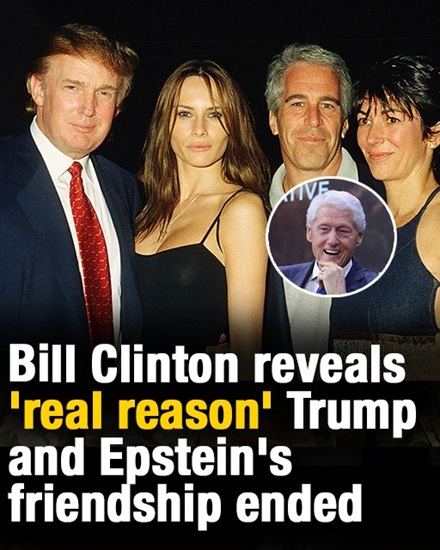
Debate surrounding the connections between prominent political figures and the late financier Jeffrey Epstein continues to attract public attention years after his death.
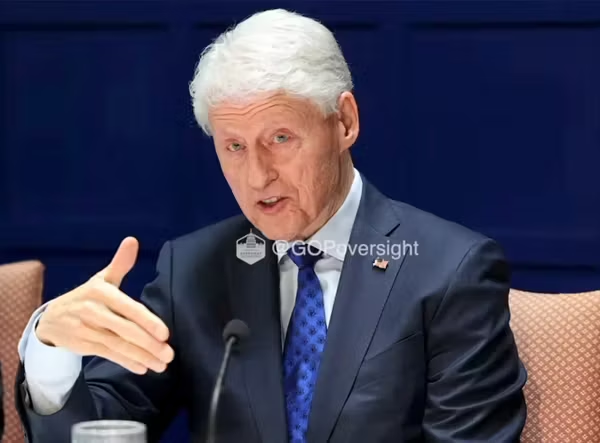
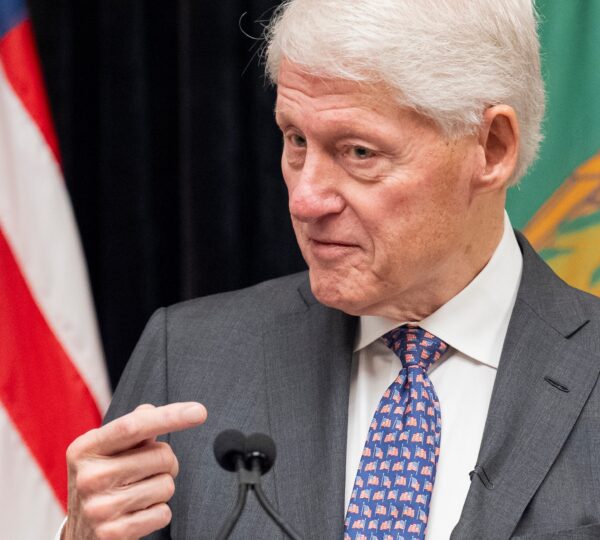
New discussion recently emerged following sworn testimony given by former U.S. president Bill Clinton before lawmakers in Washington.
During a deposition conducted by the United States House Committee on Oversight and Accountability, Clinton answered questions about Epstein and his connections to several high-profile individuals. The testimony reportedly lasted several hours and addressed multiple aspects of Epstein’s relationships and activities.
According to reports from major news organizations, Clinton’s testimony included a recollection of a conversation he once had with former president Donald Trump. The conversation reportedly focused on Trump’s past relationship with Epstein and how it eventually ended.
The details Clinton described appeared to differ from explanations Trump has previously offered in public statements. As a result, the testimony quickly became a topic of debate among political commentators and members of Congress from both parties.
The broader discussion reflects the continued scrutiny surrounding Epstein’s relationships with powerful individuals in politics, business, and entertainment. Investigators and journalists have spent years examining the social networks that surrounded the financier during the 1990s and early 2000s.
Epstein maintained connections with a wide range of wealthy and influential people. His lifestyle, which included luxury homes, private aircraft, and international travel, placed him in the same social circles as many prominent public figures.
In the case of Donald Trump, the two men were known to have moved within similar social environments during the late twentieth century. Their interactions were most visible in locations such as New York City and Palm Beach, Florida.
During the 1990s and early 2000s, Trump was a well-known real estate developer and television personality. Epstein, meanwhile, had built a reputation as a financier with connections to wealthy clients and investors.
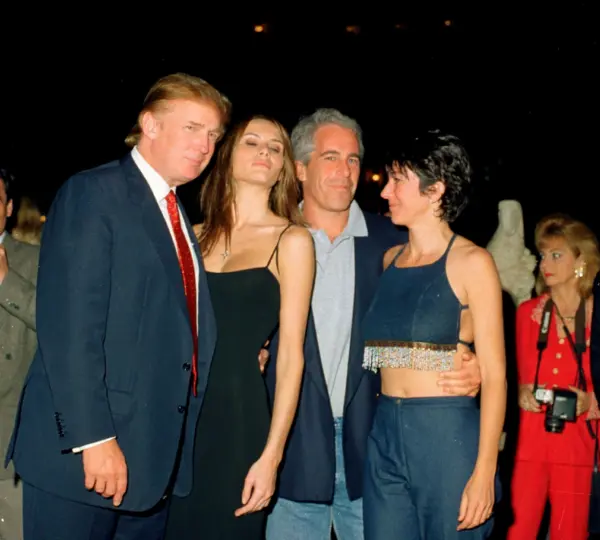
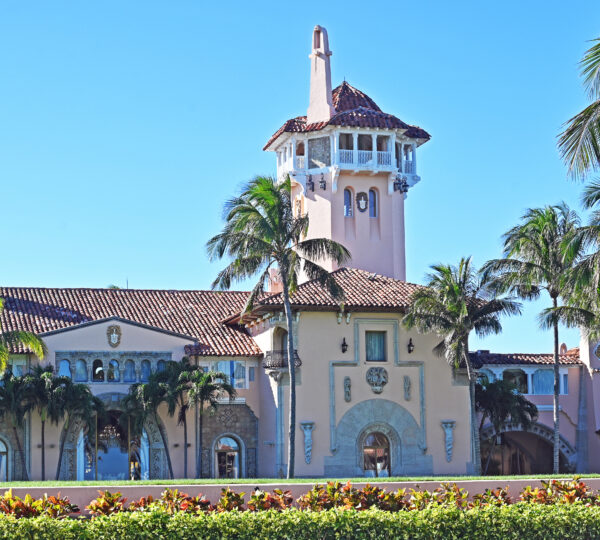
Photographs from social gatherings during that era show the two men attending events together. Some of those images were taken at Trump’s private club and residence, Mar-a-Lago, which has long served as a social gathering place for influential guests.
One photograph from 1997 shows Trump and Epstein standing together during a party at the estate. Images like this have frequently appeared in news coverage discussing their past association.
Trump also commented publicly about Epstein in a 2002 interview with New York Magazine. In that interview, Trump described Epstein as someone he had known for many years and spoke about his social life.
Trump stated at the time that Epstein was “a lot of fun to be with” and noted that he had known him for approximately fifteen years. The comment has since been cited repeatedly in discussions about their relationship.
Years later, the relationship between the two men appeared to change. Records show that Epstein’s membership account at Mar-a-Lago was closed in 2007.
This development occurred shortly before Epstein pleaded guilty in Florida to charges related to solicitation of a minor. The case drew significant media attention and raised questions about Epstein’s activities.
More than a decade later, Epstein returned to the national spotlight after his arrest in 2019. Federal prosecutors accused him of operating a sex trafficking network involving underage girls.
Shortly after that arrest, Trump spoke to reporters about his past connection to Epstein. He stated that he had not spoken to Epstein for approximately fifteen years.
Trump also said he had never been a supporter of Epstein and claimed the two men had long ago stopped associating. His comments were widely reported by major news organizations.
Members of Trump’s administration later reinforced that narrative. Officials stated that the relationship ended because Trump became uncomfortable with Epstein’s behavior.
Among those officials was Steven Cheung, who served as communications director for the White House during Trump’s presidency.
Cheung said in a statement that Epstein had been removed from Mar-a-Lago because of concerns about his conduct. The explanation was repeated in several public comments by administration officials.
Later statements from the White House also referenced similar claims. According to those remarks, Trump had decided to distance himself from Epstein after becoming aware of troubling behavior.
During one conversation with reporters, Trump suggested that Epstein had recruited young women who worked at the Mar-a-Lago spa. Trump described that incident as a turning point in their relationship.
Trump’s former press secretary Karoline Leavitt also repeated the claim that Epstein had been removed from the club because of inappropriate conduct.
However, Clinton’s testimony presented a different recollection of how Trump once described the end of the relationship.
According to accounts of the deposition, Clinton said he remembered a conversation that took place during a charity event in the early 2000s.
The event was a charity golf tournament organized to support the Safe at Home Foundation, a nonprofit group founded by baseball executive Joe Torre.
The foundation focuses on programs designed to address domestic violence and provide support for families affected by abuse.
The tournament reportedly took place at one of Trump’s golf courses in New York. Clinton said the gathering brought together several notable attendees, including Trump, Epstein, and other guests.
During the event, Clinton said Trump briefly discussed his past friendship with Epstein. According to Clinton’s recollection, Trump mentioned that the two men had shared social experiences in earlier years.
Clinton testified that Trump described the end of the relationship as the result of a disagreement connected to a business matter.
Specifically, Clinton recalled Trump saying the falling-out occurred because of a real estate deal.
According to Clinton’s testimony, Trump said that he and Epstein had enjoyed spending time together in the past but eventually stopped associating after the dispute.
Clinton recalled Trump saying they had “some great times together” before the disagreement occurred.
He also said Trump expressed regret that the relationship had ended in that way.
During the deposition, lawmakers asked Clinton whether Trump had described the split as being entirely related to a real estate conflict.
Clinton responded that, based on his memory of the conversation, that was the explanation Trump provided. The recollection aligns with earlier reporting by major newspapers about a business dispute between the two men.
According to reporting by The Washington Post and The New York Times, Trump and Epstein competed in a bidding war in 2004.
The property involved was a large mansion in Palm Beach, Florida. Both men reportedly showed interest in purchasing the estate. Trump ultimately won the bidding contest and acquired the property.
Following that dispute, journalists have found little public evidence showing the two men socializing together again. Some observers have suggested that the property competition may have contributed to the end of their relationship.
However, different explanations have been offered over the years, which has led to ongoing discussion about the exact timeline.
The contrast between Trump’s public statements and Clinton’s recollection is one reason the testimony has attracted attention. Republican and Democratic lawmakers responded differently to the new information.
Some Republican members of Congress said the testimony does not change the broader timeline of events involving Trump and Epstein.
They argued that the two men had already stopped interacting years before Epstein’s most serious legal troubles became widely known.
Democratic lawmakers, however, suggested the testimony raises additional questions that could benefit from further examination.
They emphasized that understanding the relationships surrounding Epstein remains an important part of ongoing investigations. The disagreement reflects the broader partisan divisions that often shape political discussions in Washington.
Issues involving high-profile individuals frequently become subjects of debate between political parties. In this case, the testimony has been interpreted in different ways depending on the perspective of the observer.
Supporters of Trump have pointed out that there is no evidence showing the former president participated in Epstein’s criminal activities.
They argue that the available records show Trump distanced himself from Epstein long before the financier’s most serious charges emerged. Critics, however, believe the full history of Epstein’s social connections deserves continued scrutiny.
They argue that examining those networks could provide greater understanding of how Epstein maintained influence for so many years.
Epstein’s case has drawn international attention because of the scale of his wealth and the prominence of his associates. After his arrest in 2019, investigators examined numerous relationships involving political leaders, business executives, and celebrities.
Epstein died later that year while in federal custody in New York.
His death ended the possibility of a criminal trial that might have revealed additional information about his activities and connections.
Since then, public interest in his network has remained high. Journalists and investigators continue to review documents, testimony, and other records related to the case. Congressional committees have also conducted inquiries into aspects of the matter.
The testimony from Bill Clinton is part of that broader effort to understand the relationships surrounding Epstein.
Clinton himself has previously acknowledged flying on Epstein’s private aircraft several times during the early 2000s while traveling for charitable work.
However, he has said he severed contact with Epstein long before the financier’s later legal problems became widely known.
Clinton’s representatives have stated that he was unaware of Epstein’s criminal behavior at the time of their interactions.
These statements have been part of ongoing public discussion about Epstein’s social circle. The latest testimony does not provide definitive answers about the full extent of those relationships. Instead, it offers another perspective on events that took place decades ago.
As a result, lawmakers and analysts continue to examine the information within the broader historical timeline. The debate illustrates how complex social networks can become subjects of political and public scrutiny.
When influential individuals are connected through business or social activities, those relationships often attract attention years later. In the case of Trump and Epstein, the exact reasons behind the end of their friendship remain a topic of discussion.
Some accounts emphasize personal disagreements, while others highlight concerns about behavior. Clinton’s recollection adds another layer to that ongoing conversation. While the testimony may not settle the debate, it contributes to the larger record of information about Epstein’s connections.
For many observers, the broader issue involves understanding how Epstein maintained relationships with powerful figures for so long.
Investigations and media coverage have attempted to piece together that history using documents, interviews, and testimony.
As more information emerges, the public discussion surrounding the case continues to evolve. The latest testimony from Bill Clinton represents one more contribution to that ongoing examination. Whether it leads to further inquiries or simply adds context to existing records remains to be seen.
What is clear is that the relationships involving Jeffrey Epstein continue to generate attention from lawmakers, journalists, and the public.
As investigations and political debates continue, the history linking Epstein to high-profile figures remains a subject of lasting scrutiny and interest.
