

On March 4, 2026, a United States Navy submarine fired a torpedo that struck the Iranian frigate IRIS Dena, sinking it in international waters about forty nautical miles off Galle in southern Sri Lanka.
The attack occurred during the wider conflict involving the United States, Israel and Iran, which intensified after coordinated military operations were launched earlier in late February 2026.
The IRIS Dena was a Moudge‑class frigate of the Islamic Republic of Iran Navy, one of the newer surface combatants in Tehran’s naval fleet.
Before it was sunk, the ship had been returning home after taking part in the International Fleet Review 2026 naval exercises hosted by India at Visakhapatnam in the Bay of Bengal.
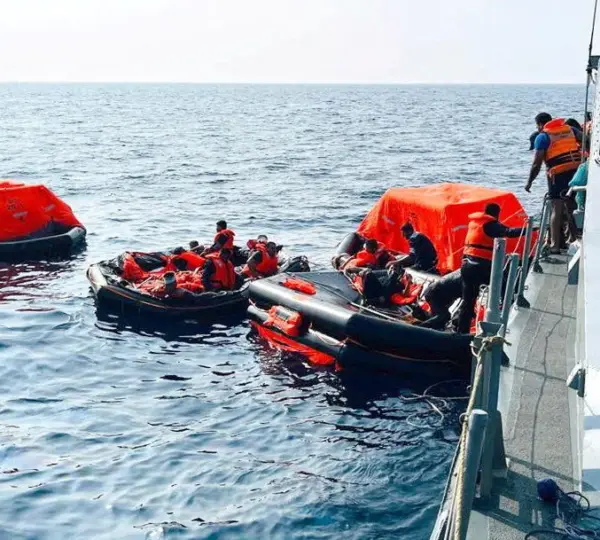
Sri Lankan officials reported the frigate sent out a distress call early on March 4 before it disappeared beneath the waves, prompting an urgent search and rescue operation.
U.S. Defense Secretary Pete Hegseth confirmed in a Pentagon briefing that a U.S. submarine used a Mark 48 heavyweight torpedo to sink the warship in deep Indian Ocean waters.
Hegseth described the strike as the “first such attack on an enemy since World War II,” highlighting the rarity of torpedo engagements in recent decades.
Sri Lanka’s navy responded to the distress call with sea and air assets, but by the time rescuers arrived, the frigate had already sunk beneath the surface.
Sri Lankan authorities reported they had recovered at least 87 bodies from the water and rescued 32 wounded sailors, who were transported to hospitals in Galle for treatment.
The remaining crew members of the Dena were initially unaccounted for, with officials continuing search efforts for any additional survivors.
Estimates suggest the Iranian frigate had approximately 180 people on board at the time of the attack, meaning many sailors remain missing or presumed dead.
The sinking of the IRIS Dena marked one of the most dramatic naval incidents of the 2026 Iran conflict and expanded the scope of hostilities beyond the Persian Gulf.
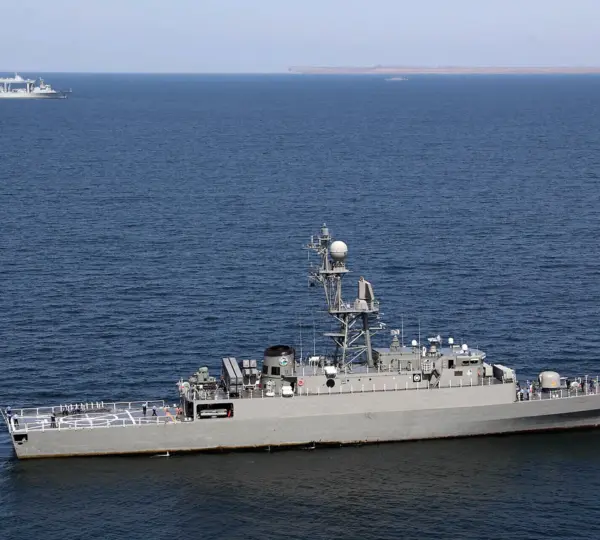
Military analysts noted that submarine torpedo attacks on surface warships are rare in modern naval warfare, underscoring how the conflict’s dynamics have evolved.
Iran’s Foreign Minister Abbas Araghchi condemned the torpedo strike on social media, calling it an “atrocity at sea” and a serious escalation of hostilities.
Araghchi emphasized that the Dena had been sailing in international waters without warning and accused the U.S. of setting a dangerous precedent.
Iranian officials described the vessel as having been a “guest” of India’s navy during the multinational exercises before it was struck.
New Delhi confirmed that the Dena participated in the multinational International Fleet Review 2026, which drew ships from dozens of countries.
The Indian exercise was designed to promote maritime cooperation and included representatives from over 70 nations, though the United States ultimately did not participate in its final phases.
India’s participation in hosting the Iranian vessel has drawn political attention, as New Delhi had not publicly commented on the sinking by U.S. forces.
After the attack, Sri Lanka also reported the presence of a second Iranian naval vessel in its maritime area and began assisting its crew.
Sri Lankan President Anura Kumara Dissanayake announced that the country’s navy would take custody of the second Iranian ship and relocate it to the port of Trincomalee to ensure safety.
Officials described Sri Lanka’s actions as rooted in humanitarian and neutral diplomatic principles, offering refuge to Iranian sailors in distress.
The IRIS Bushehr, the second naval vessel, was escorted under Sri Lankan supervision as families awaited updates amid ongoing tensions.
The sinking has generated international concern as an indicator that the Iran conflict, initially centered on the Middle East, is impacting wider maritime regions including the Indian Ocean.
Several countries have since emphasized the importance of protecting commercial shipping lanes critical to global trade, especially in the Indian Ocean.
European and allied navies have increased patrols in those waters to reassure maritime partners and monitor for further escalation.
The incident also raised legal and diplomatic questions about the use of force against a warship in international waters, a matter discussed by international law experts.
Some authorities argue that targeting a vessel not actively engaged in combat at the moment of attack requires careful legal justification under existing conventions.
In the United States, military officials defended the action as part of a broader strategy to degrade Iran’s maritime capabilities amid active hostilities.
However, critics contend such operations carry risks of widening conflict, potentially drawing other nations into a broader international confrontations.
Iranian leaders have vowed that the attack will not go unanswered, and Tehran’s military structures have reiterated their commitment to continued operations against U.S. and allied forces.
The broader Iran conflict has already resulted in substantial loss of life and displacement in multiple regions, prompting calls for restraint from global diplomats.
United Nations members and neutral states have warned that further escalation could threaten regional stability and international security.
Maritime analysts note that incidents like the Dena sinking could influence future naval doctrine and international rules of engagement at sea.
The attack’s aftermath has put pressure on neighbouring countries to balance neutrality with humanitarian obligations toward affected sailors.
Sri Lanka’s response to rescue operations was widely praised by observers for prioritizing human life amid geopolitical tension.
Families of the rescued sailors have been supported by local hospitals and international aid as they recover from injuries sustained in the sinking.
Medical teams in Galle have worked to provide care for burns, fractures and shock among the survivors pulled from the water.
The sinking of the IRIS Dena is expected to be studied in naval histories as a rare modern instance of a submarine torpedo sinking a surface combatant.
Experts believe that the event will influence future diplomatic negotiations and naval policy for years to come.
In a conflict already marked by extensive military operations, the Dena’s sinking represents a significant turning point in the geographic spread of the war.
It serves as a stark reminder that modern conflicts can have rapid and far‑reaching effects across regions not originally involved in the initial confrontation.

