

The ongoing conflict involving the United States, Israel, and Iran has drawn international attention — and in some quarters has heightened anxiety about the possibility of wider geopolitical escalation.
Headlines and social media posts have amplified fears of a major war or even a third world war, but experts say it’s important to separate verified developments from speculation and to focus on realistic, proven ways people can prepare for emergencies of many kinds.
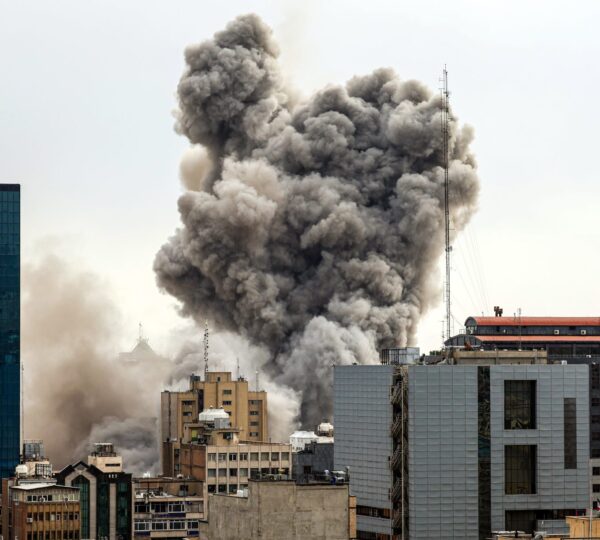
Since late February 2026, coordinated U.S. and Israeli strikes have targeted key military sites and infrastructure in Iran, part of a broader military campaign that has significantly escalated regional tensions.
These operations — described by some reporting as Operation Epic Fury — were aimed at degrading Iranian military capabilities and leadership.
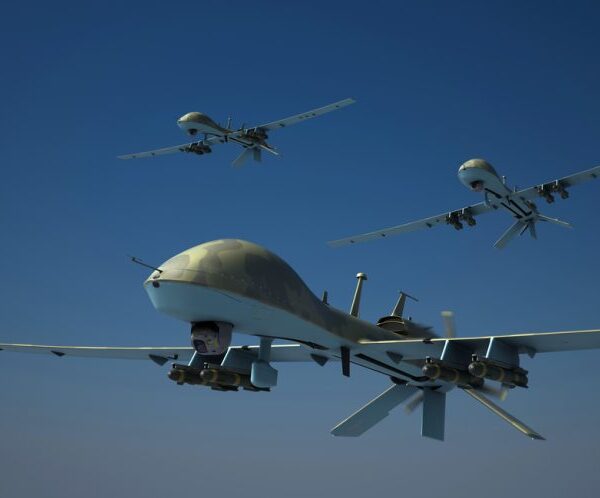
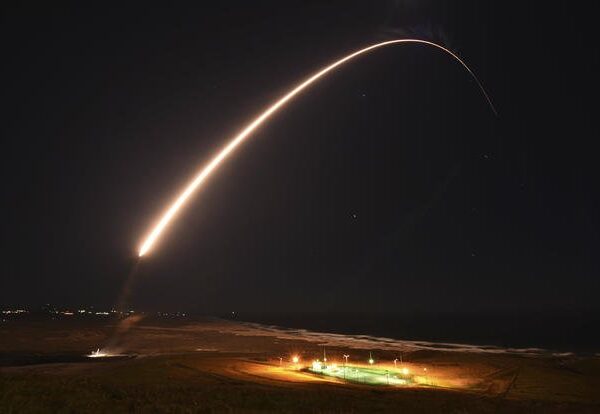
Iran has responded with missile and drone strikes against Israeli territory, U.S. military bases in the Gulf region, and allied countries in the Middle East.
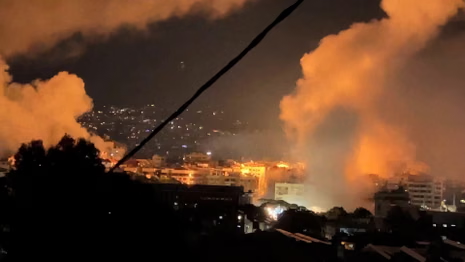
The war has drawn in allied militias and proxy actors, including Hezbollah in Lebanon, which has exchanged fire with Israeli forces.
Airspace closures and disruptions around the Strait of Hormuz — a key route for global oil shipments — have contributed to instability in energy markets and economic uncertainty worldwide.
Despite these developments, leading defense analysts and retired military officials emphasize that while the conflict is serious and volatile, global powers are generally focused on avoiding full‑scale world war.
A retired Major General, for example, noted that major nations tend to pursue controlled escalation and diplomatic avenues rather than outright global conflict, and that wider war involving blocs like NATO versus Russia or China remains unlikely absent dramatic changes in policy and alliances.
Why World War III Fears Have Surfaced — and Why They’re Exaggerated
Public anxiety about a broader war stems partly from the speed of developments and the number of countries involved indirectly through alliances, military bases, and economic ties. Analysts monitoring military, economic, and political indicators have pointed out:
-
The conflict has involved strikes by missiles and drones beyond Iranian borders, including attacks near U.S. forces and airstrikes against militia groups in Iraq and Syria.
-
Disruptions in the Strait of Hormuz — where roughly 20% of the world’s oil supply flows — have raised global market volatility, leading to spikes in crude oil prices and raising inflation concerns.
-
Regional actors such as Saudi Arabia, Qatar, and the United Arab Emirates have engaged diplomatically to prevent a spillover of active combat into their territories.
Experts stress that geopolitical crises often generate large amounts of alarmist analysis online, and it’s important to distinguish credible geopolitical risk assessments from unfounded predictions of imminent global war — even though the situation clearly has serious implications for international stability.
Separating Fact From Fiction
It’s crucial to correct some widespread misconceptions that circulate alongside legitimate concern:
-
The conflict has not triggered an official World War III declaration. Headlines speculating about a global war often stem from social media or sensational coverage, not from official government statements.
-
International organizations, including the United Nations, have urged restraint, diplomatic engagement, and de‑escalation. Many countries are pursuing channels to prevent wider conflict.
-
Economic and energy impacts — including disruptions to shipping and oil supply — are real and measurable, but they are not evidence in themselves of a global war.
Keeping informed through reputable sources helps maintain perspective during times of geopolitical tension.
Emergency Preparedness: A Practical Framework
Even though a global conflict remains unlikely, governments and experts recommend basic readiness for a range of civil emergencies — including natural disasters, power outages, and regional crises.
This isn’t about panic; it’s about practical risk reduction that’s widely endorsed by authorities.
The “72‑Hour Self‑Sufficiency” Standard
Many governments in Europe and North America promote the idea that every household should be prepared to be self‑sufficient for at least 72 hours (3 days) in a crisis.

This is not a war‑specific rule, but a longstanding civil preparedness concept that applies to a range of emergencies — hurricanes, earthquakes, chemical incidents, and civil defense situations.
The European Commission and national authorities have recommended that citizens aim to have basic supplies at home that allow them to be self‑reliant for short periods without help from emergency services.
Typical items included in a 72‑hour kit are:
-
At least 3 days’ worth of water — generally one gallon per person per day
-
Non‑perishable food and snacks
-
Battery‑powered or hand‑crank radio (to receive official updates even if electricity fails)
-
Flashlights with extra batteries
-
First‑aid kit and essential medicines
-
Important documents and cash in a waterproof pouch
-
Warm clothing and blankets
-
Personal hygiene items
-
Communication devices and chargers (power banks or solar chargers are useful)
Countries such as Sweden, Finland, Denmark, and the Netherlands have publicized national guides on emergency kits or crisis readiness, reflecting a broader emphasis on resilience rather than war‑specific fear.
Beyond 72 Hours: Extended Preparedness Advice
Many survival experts — including emergency management officials in the U.S. and Europe — encourage households to consider additional elements for uncertainty:
-
Reliable water purification such as portable filters
-
Fire‑starting tools and basic shelter materials (tarps, sturdy rope)
-
Navigation aides like maps and compasses
-
Warm, layered clothing suitable for varying weather conditions
-
Extra batteries and power sources
-
Emergency cash and backup medical supplies
This kind of planning is similar to preparing for other unexpected disruptions — such as severe weather, long‑term power outages, or transportation shutdowns — and does not assume any one specific threat.
What Civil Defense Experts Say
Experienced civil defense officials and survival planners emphasize that the goal of preparedness is resilience, not fear. Some key principles include:
-
Stay informed from reliable authorities: A battery‑powered or hand‑crank radio can be a lifeline if digital communication fails.
-
Keep supplies accessible: Store your kit where it can be reached quickly.
-
Practice calm readiness: Preparedness improves confidence in facing unexpected situations.
-
Adapt to your local environment: If you live in cold climates, ensure warm supplies; if you are in a flood‑prone area, additional water protection may be critical.
-
Establish family communication plans: Knowing how to reunite or share information with loved ones is essential during disruptions.
Emergency preparedness is not new — many countries incorporate planning into school curricula, public awareness campaigns, and national civil defense frameworks long before any specific crisis emerges.
Balancing Awareness With Reality
It’s understandable that major geopolitical events can cause worry, but experts repeatedly caution against equating regional conflict with global war inevitability.
While the U.S.–Israel–Iran confrontation is serious and has broad regional implications, most analysts believe that major world powers will avoid a full‑scale world war and instead use diplomacy, economic pressure, and controlled military operations to manage escalation.
Focusing on credible information, understanding actual risks, and taking practical steps that improve everyday readiness can help individuals and families feel more secure — not overwhelmed — in uncertain times.
Summary: Practical Takeaways for Individuals
-
Understand the Situation Carefully
The U.S.–Israel–Iran conflict is serious and has wide geopolitical impacts, but a global war is not an established reality. Analysts see more likelihood of regional escalation than a world war. -
Separate Alarm from Facts
High‑sounding claims about “World War III beginning” are speculative and not grounded in official declarations or international commitments. -
Follow Government Preparedness Guidelines
Building a reliable 72‑hour kit and basic household emergency plan is widely recommended by civil authorities and emergency management organizations. -
Stay Informed Through Reputable Sources
Use trusted news outlets, government advisories, and international institutions for updates — avoid unverified social media claims. -
Plan for Multiple Scenarios
Preparedness is about increasing resilience across many possible emergencies — from natural disasters to short‑term infrastructure disruptions — not only conflict.
Good readiness is a calm, confidence‑building habit — not a response rooted in fear. By grounding actions in verified information and practical preparedness, individuals and families can be better positioned to face uncertain circumstances with clarity and purpose.

