In the opening days of Operation Epic Fury, a major military campaign involving the United States and allied forces in the Middle East.
Six American service members lost their lives — a sobering and tragic moment for their families, comrades, and a nation at war.
The operation, launched amid escalating tensions and broader combat activity in the region, has seen its first confirmed combat fatalities as U.S. forces and partners engage in offensive and defensive actions across strategic areas of deployment.
On March 3, 2026, the U.S. Department of Defense officially confirmed the deaths of at least six service members killed in an attack at the Port of Shuaiba in Kuwait.
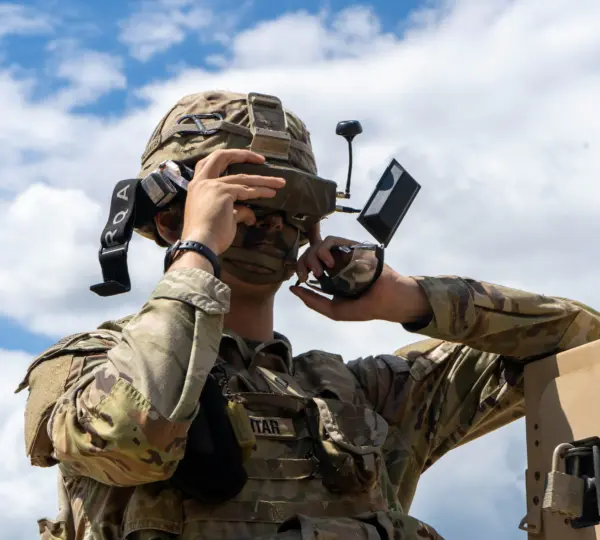
The casualties occurred as part of Operation Epic Fury, which was initiated in late February following joint military action by the United States and Israel against hostile forces in the region.
The Circumstances of the Attack
According to military officials, the service members were killed after an unmanned aircraft system — widely understood to be a drone strike — hit a U.S. operational area at Port Shuaiba, a key logistics hub used to support American and coalition forces.
The attack struck a command center or headquarters space where troops were engaged in sustainment and coordination activities.
Port Shuaiba has been a significant logistical node for U.S. forces in recent years, providing supplies, transportation coordination, and operational support across a range of missions.
However, the sudden assault highlighted the vulnerabilities that even non‑combat locations can face in modern warfare, where unmanned systems and long‑range strikes have become increasingly prevalent.
Confirmed Fallen Service Members
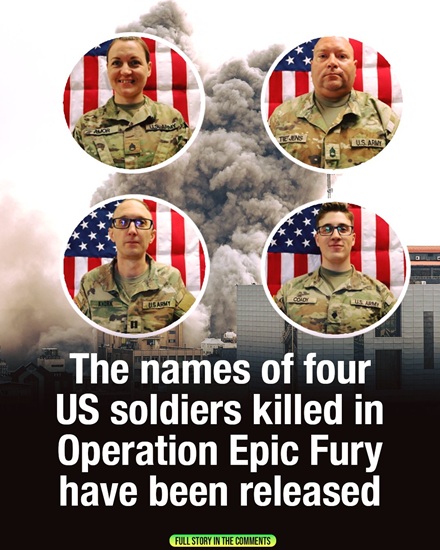
The 103rd Sustainment Command (Expeditionary) — an Army Reserve unit based in Des Moines, Iowa, responsible for logistical and operational support — lost six Soldiers in the incident.
On March 3, the Pentagon released the names of four of these six fatalities, pending public release of the remaining two pending family notifications.
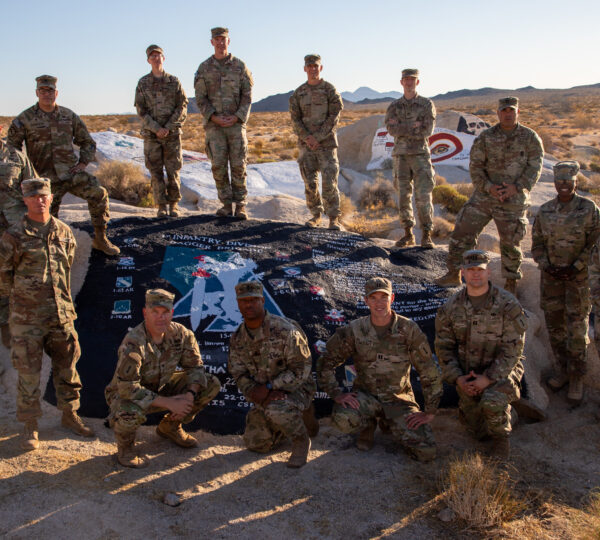
Captain Khork, a native of Winter Haven, Florida, had served with distinction in the Army Reserve. Enlisting in 2009, he later became a Military Police Officer and deployed to multiple theaters, including Saudi Arabia, Guantánamo Bay, and Poland.
Throughout his career, Khork earned several commendations, including the Meritorious Service Medal and the Military Outstanding Volunteer Service Medal, reflecting both his professional dedication and his commitment to community service.
Sergeant 1st Class Nicole M. Amor, 39
From White Bear Lake, Minnesota, Sgt. 1st Class Nicole Amor represented decades of service to her country. She began her military career with the National Guard in 2005 before transferring to the Army Reserve, where she continued her service as a logistics and support specialist.
Amor deployed to both Kuwait and Iraq, earning a range of service and achievement medals for her dedication and professionalism. She is remembered by close friends and fellow Soldiers as a steadfast leader devoted to her unit and her family.
Sergeant 1st Class Noah L. Tietjens, 42
Sgt. 1st Class Tietjens, of Bellevue, Nebraska, was known among his peers for his technical expertise and steady leadership.
Serving as a wheeled vehicle mechanic, he completed multiple deployments, including two tours in Kuwait, and was awarded commendations for his service, demonstrating a commitment to maintaining equipment and readiness for operations across challenging environments.

Sergeant Declan J. Coady, 20
The youngest of the four publicly identified service members, Sgt. Declan Coady hailed from West Des Moines, Iowa.
He enlisted in 2023 as an Army Information Technology Specialist, combining his service with studies and aspirations in cybersecurity and technical fields. Coady was posthumously promoted from Specialist to Sergeant following his death, a recognition of his service, professionalism, and potential.
In addition to these four, the Pentagon on March 5 confirmed the identities of the remaining two Soldiers killed in the strike: Chief Warrant Officer 3 Robert M. Marzan, 54, of Sacramento, California, and Major Jeffrey R. O’Brien, 45, of Indianola, Iowa.
Both men were also assigned to the 103rd Sustainment Command, serving crucial roles in the complex operational support required by U.S. forces abroad.
Honoring Their Service
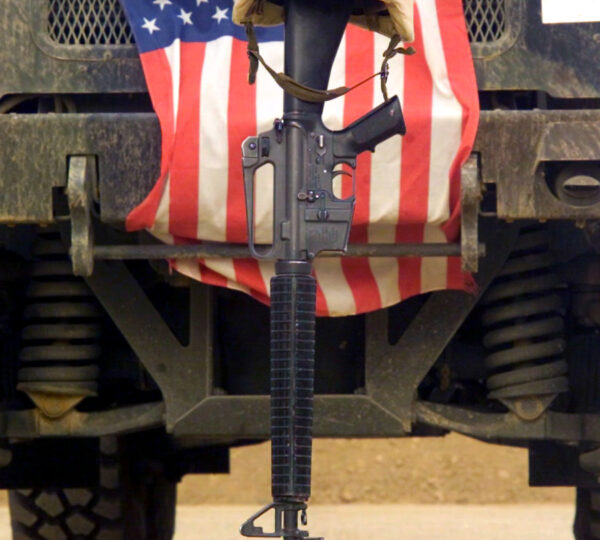
In the wake of the announcement, senior military leaders and government officials issued statements paying tribute to the sacrifice of the fallen service members.
Lieutenant General Robert Harter, Chief of Army Reserve and Commanding General of the U.S. Army Reserve, spoke solemnly about the lives lost, saying: “We honor our fallen Heroes, who served fearlessly and selflessly in defense of our nation. Their sacrifice, and the sacrifices of their families, will never be forgotten.”
Other commanders echoed this sentiment. Major General Todd Erskine called the troops “the heart of America,” emphasizing that the nation’s security rested on the courage and dedication of individuals willing to serve in harm’s way.
Brigadier General Clint A. Barnes described them as “the ultimate ambassadors for freedom,” adding that their professionalism and character embodied the best ideals of the United States military.
Community Mourning and Public Reaction
The loss of these Soldiers has reverberated across their hometowns, families, and communities. In Iowa, where several of the 103rd Sustainment Command’s members hailed from, leaders including Iowa gubernatorial candidate Rob Sand released statements urging residents to remember and pray for the families affected, especially highlighting the life and promise of Sgt.
Declan Coady. Sand’s message underscored the personal cost of national service, as families and friends grapple with the grief of losing loved ones far from home.
National news outlets and military publications have published profiles and tributes, painting detailed pictures of each fallen Soldier’s life — from Capt. Khork’s leadership and overseas deployments to Sgt. Amor’s years of service and devotion to family, Sgt. Tietjens’ technical skill and mentorship, and Sgt. Coady’s bright future in both academia and the Army Reserve.
