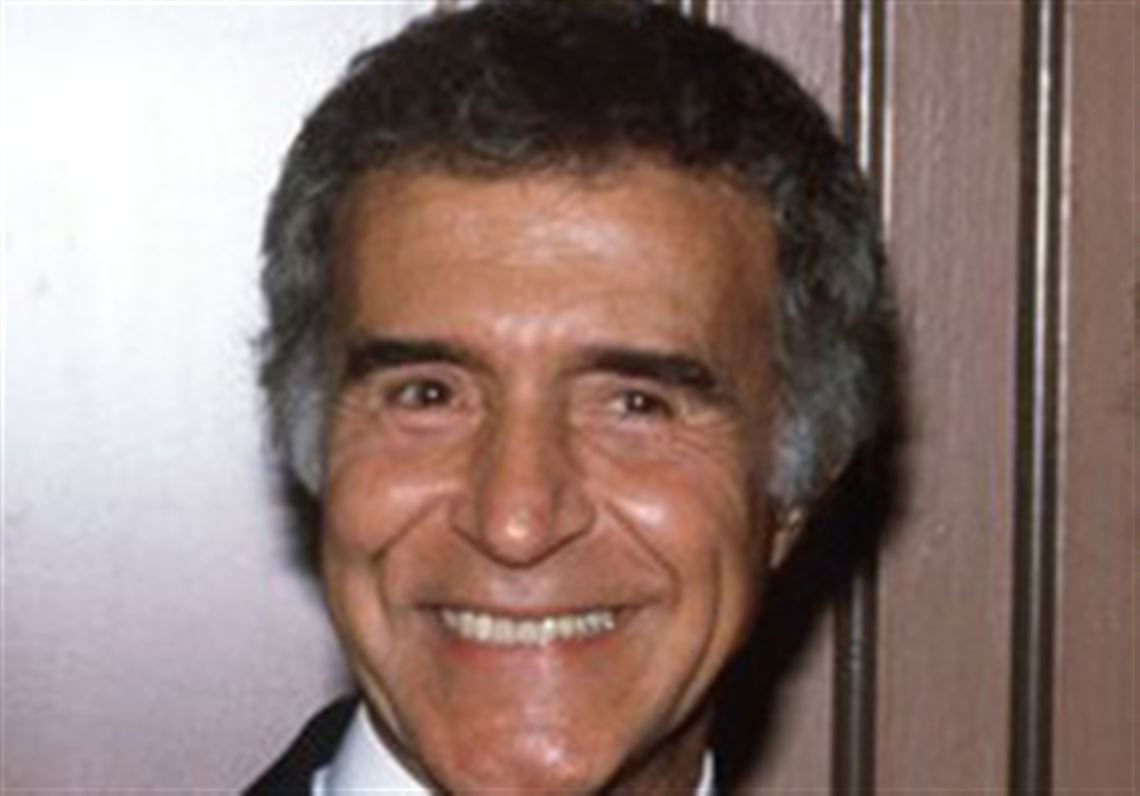
Ricardo Montalbán’s life and career represent one of Hollywood’s most extraordinary journeys, a narrative of talent, perseverance, and visionary impact that transcends generations.
Born on November 25, 1920, in Mexico City, Mexico, Montalbán was raised in modest circumstances, in a household that emphasized the importance of hard work, family values, and cultural pride.
From an early age, he exhibited a keen awareness of performance and storytelling, qualities that would ultimately guide him toward the glimmering yet challenging world of Hollywood.
Unlike many of his peers, he entered the industry at a time when Latin American actors faced tremendous systemic obstacles.
Opportunities for actors of Latino heritage were limited, and the roles offered were often steeped in stereotypes, reinforcing narrow and sometimes demeaning perceptions.
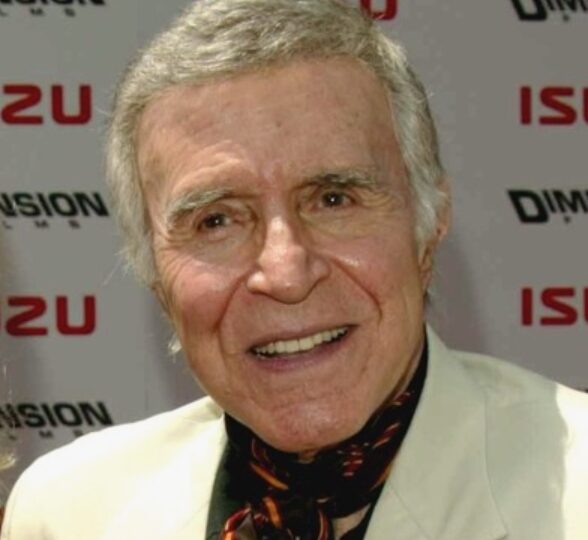
Yet, Montalbán approached these challenges with a combination of elegance, skill, and determination that would become the hallmark of his career.
In the 1940s, Ricardo Montalbán arrived at Metro-Goldwyn-Mayer (MGM), one of the era’s most prestigious studios. The studio system was notoriously rigid, yet Montalbán’s presence was immediately felt.
With his striking features, commanding presence, and natural charisma, he brought a sophistication and dignity to every role he undertook.
Even when the material was limited or hinged on clichéd tropes, he managed to elevate it, infusing characters with layers of complexity and depth.
Audiences and critics alike recognized his ability to transform even minor roles into memorable moments of artistry.
This approach not only distinguished him from his contemporaries but also challenged the Hollywood status quo, quietly demonstrating that Latino actors could embody a wide range of personas without being confined to caricatures.
Montalbán’s early career highlights included a series of romantic and adventurous roles that showcased his versatility.
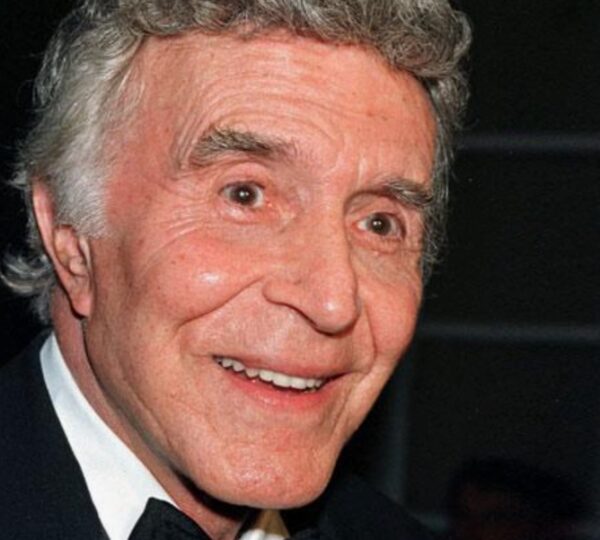
He possessed a natural athleticism that allowed him to perform physically demanding parts with ease, whether in action sequences, dance scenes, or stunts.
This physical capability, combined with his charisma and refined demeanor, made him a favorite for leading-man roles, even at a time when the industry was reluctant to cast Latino actors as romantic or heroic figures.
Each performance became a subtle act of defiance—an assertion that talent and dedication could overcome arbitrary limitations imposed by prejudice.
He often reflected on these early years with humility, noting that the obstacles were real but that perseverance, professionalism, and commitment to craft could open doors that were initially closed.
By the 1960s and 1970s, Montalbán had established himself as a recognizable presence on both the silver screen and television.
His career took on new dimensions when he assumed two of the most iconic roles of his life, roles that would ultimately define his legacy and secure his place in the annals of pop culture.
The first was the enigmatic Mr. Roarke on Fantasy Island, which premiered in 1977. Montalbán’s portrayal of the sophisticated, calm, and mysterious host captivated viewers week after week.
He embodied an aura of authority that was never authoritarian; his charm was never superficial. Through subtle expressions, measured gestures, and an innate ability to convey empathy, he transformed Mr. Roarke into a character who was both approachable and commanding, grounding the show in a sense of elegance and moral reflection.
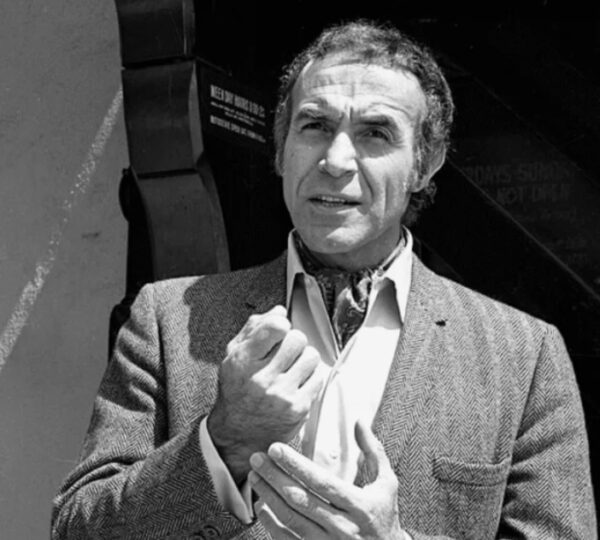
Fantasy Island was more than entertainment—it was a platform through which Montalbán could extend his artistry, using performance to engage with human emotion, narrative nuance, and thematic resonance.
Equally defining, if not more so, was his performance as Khan Noonien Singh in Star Trek II: The Wrath of Khan (1982). In this role, Montalbán delivered one of cinema’s most unforgettable antagonists.
Khan was a character of immense intellect, ferocity, and complexity, and Montalbán portrayed him with operatic intensity and emotional sophistication.
His performance transcended the archetypal “villain,” turning Khan into a fully realized character whose motivations and passions were palpable, even as he pursued revenge with relentless determination.
The cultural impact of this role cannot be overstated: generations of Star Trek fans cite Montalbán’s Khan as a defining figure in science fiction, an exemplar of how a villain can command both fear and admiration through skillful acting.
Offscreen, Montalbán’s contributions were no less remarkable. He was deeply committed to advocacy for Latino actors, understanding firsthand the systemic challenges they faced.
In 1970, he co-founded the Nosotros Foundation alongside actor and friend Ricardo Montalbán, with a mission to promote opportunities for Latinos in entertainment.
The organization worked tirelessly to challenge typecasting, fight for fair representation, and provide mentorship and resources to aspiring performers.
Through workshops, scholarships, and public advocacy, Montalbán helped reshape Hollywood’s approach to diversity, ensuring that future generations of actors would encounter a more equitable environment than he had.
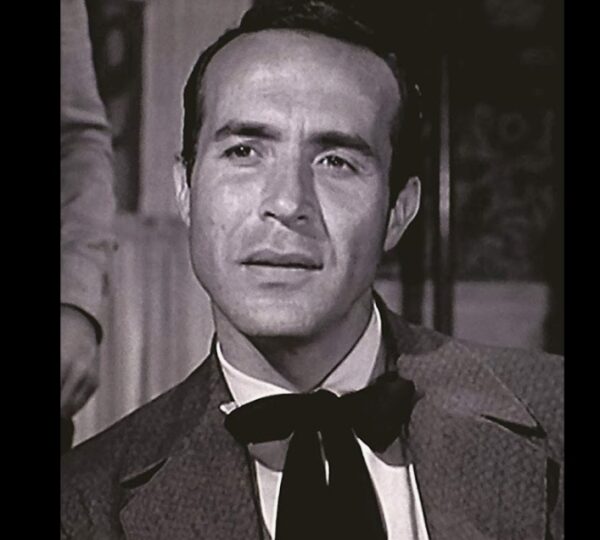
His activism was not performative; it was grounded in the lived realities of discrimination and opportunity, reflecting a lifelong dedication to justice and inclusion within the industry.
In addition to his professional achievements and advocacy work, Montalbán was recognized for his personal grace and charisma. Colleagues frequently remarked on his warmth, professionalism, and generosity.
He navigated Hollywood’s social landscape with dignity, never succumbing to the toxic competitiveness that often marked the studio system.
His presence on set, whether as a leading man, supporting actor, or mentor, left a lasting impression on cast, crew, and audience alike.
Interviews and memoirs from those who worked with him consistently highlight his generosity of spirit, his attention to craft, and his commitment to elevating the work of those around him.
Montalbán’s cultural significance extends beyond individual performances or accolades. He became a symbol of Latino excellence in a time when representation was limited, embodying the possibilities of what could be achieved with talent, discipline, and perseverance.
Young actors saw in him a path toward visibility and respect, a model for navigating Hollywood without sacrificing identity or integrity.
His roles—whether romantic, heroic, or villainous—were imbued with a dignity that countered the negative stereotypes often perpetuated by the entertainment industry, leaving audiences with memorable, meaningful portrayals that resonated far beyond the screen.
Throughout his life, Montalbán remained deeply connected to his heritage and family. He often spoke of his upbringing in Mexico City with fondness, crediting his parents and community for instilling the values of discipline, empathy, and cultural pride that guided him throughout his career.
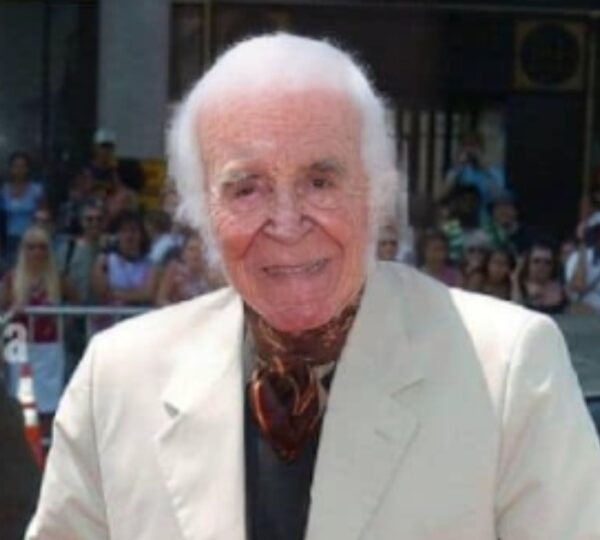
Even as he achieved international fame, he never lost sight of his roots, frequently emphasizing the importance of mentorship, cultural preservation, and the responsibility to give back to the community that shaped him.
This connection between personal identity and professional excellence further amplified the significance of his work, bridging cultures and generations in ways that few actors of his time accomplished.
Montalbán’s influence continues to be felt decades after his passing. Fantasy Island remains a touchstone of television nostalgia, Khan continues to inspire discussions in science fiction forums, and the Nosotros Foundation persists in its mission, supporting new generations of Latino performers.
His life serves as a template for resilience: how to navigate systemic barriers with intelligence and grace, how to transform limitations into opportunities, and how to leverage one’s platform to enact meaningful change.
He also left an enduring mark on pop culture in ways subtle yet profound. His distinct voice, suave demeanor, and commanding presence became part of Hollywood’s collective memory, referenced and celebrated across generations of media.
Parodies, homages, and tributes continue to recognize his contributions not merely for their entertainment value but for the dignity and craftsmanship he consistently brought to his work.
Scholars of cinema and television frequently cite Montalbán in studies of representation, performance style, and the evolution of minority visibility in American media, cementing his status as an actor whose impact was both artistic and cultural.
In the personal realm, Montalbán was known for his humility, sense of humor, and approachability. Despite a career that spanned over seven decades, he maintained a perspective rooted in gratitude and service, often mentoring younger actors privately, offering advice on negotiating contracts, navigating industry politics, and preserving personal integrity in a competitive environment.
He believed deeply in the transformative power of storytelling, not only for audiences but for actors themselves, recognizing that the art of performance could educate, inspire, and build bridges across cultural divides.
His advocacy work was equally groundbreaking. In an industry that frequently overlooked Latino talent, Montalbán’s efforts with the Nosotros Foundation challenged entrenched norms.
He advocated for authentic storytelling, fought for casting decisions that reflected real-world diversity, and worked to dismantle stereotypes that had persisted for decades.
This advocacy was not limited to formal settings; he frequently spoke at schools, community centers, and industry panels, offering encouragement and tangible support to aspiring performers.
Many of today’s successful Latino actors credit Montalbán as a source of inspiration, citing both his on-screen achievements and his tireless commitment to improving opportunities for others.
Ricardo Montalbán passed away on January 14, 2009, at the age of 88, leaving behind a legacy that continues to resonate across entertainment, culture, and advocacy.
His life exemplifies the notion that true artistry is inseparable from courage, resilience, and the desire to make the world a more inclusive place.
From the streets of Mexico City to the soundstages of Hollywood, Montalbán demonstrated that talent, when paired with integrity and purpose, can achieve lasting influence.
In the final analysis, Montalbán was more than a star; he was a pioneer, mentor, and visionary. His career reflects not only the mastery of craft but also the courage to challenge societal expectations, expand opportunities for marginalized communities, and build institutions that endure beyond the lifespan of any individual performance.
His story teaches future generations about perseverance, dignity, and the importance of advocacy in creating lasting cultural change.
Montalbán’s performances, whether on screen or stage, remain timeless exemplars of artistry, his influence extending far beyond entertainment into the broader realm of social impact.
Ricardo Montalbán’s legacy is ultimately a testament to the idea that true greatness in Hollywood—and in life—cannot be measured solely by fame or fortune.
It is measured by the depth of influence, the quality of mentorship, the integrity with which one navigates obstacles, and the courage to reshape a system for the better.
He remains a shining example of how talent, coupled with determination and a commitment to justice, can transcend limitations and leave a mark that endures for generations.
Through his artistry, advocacy, and life philosophy, Montalbán transformed Hollywood, paving the way for countless performers to follow in his footsteps, proving that elegance, skill, and heart are qualities that never go out of style.
