
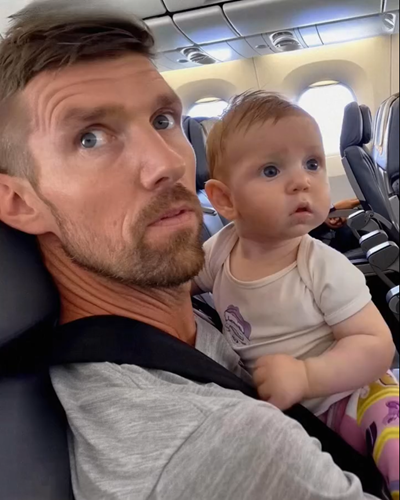
Flying alone with my 14-month-old son, Shawn, was a challenge I had mentally prepared for, but I could not have anticipated just how overwhelming it would feel in the moment.
Circumstances had left me with little choice: my mother was gravely ill, and my father had arranged and fully paid for this trip so she could finally meet her grandson.
The thought of witnessing my mother’s reaction to meeting Shawn for the first time should have been a source of joy, but instead, it added an emotional weight that made every step of the journey feel heavier.
From the moment we stepped onto the plane, Shawn was fussy and restless. His cries pierced the cabin with a sharp intensity that seemed to grow louder with every passing minute.
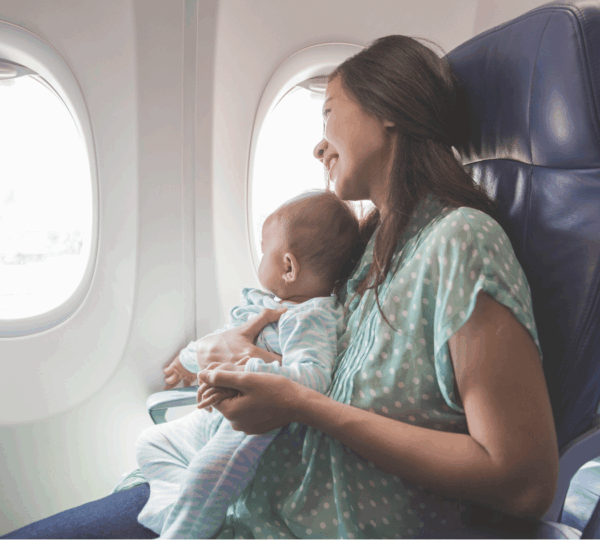
As a mother, I had become accustomed to navigating these moments, but this was different. There were unfamiliar eyes watching me—judgmental, perhaps impatient, or maybe just curious.
Traveling solo with a young child is inherently exhausting, and the additional anxiety of flying across the country to see a sick loved one magnified every feeling tenfold.
My hands were full, my mind racing, and my energy depleting with every unsuccessful attempt to soothe him.
I tried everything I knew. I whispered soft, calming songs, gently rocked him in my arms, and walked up and down the narrow aisle, hoping the movement would provide comfort.
I offered sippy cups, pacifiers, and toys, each attempt met with only temporary distraction or outright rejection. Shawn’s frustration seemed to mirror my own; the more I tried to calm him, the more desperate I felt.
By the first hour of the flight, exhaustion had set in, and a deep anxiety began to creep through me. I felt myself on the verge of tears, mentally tallying the miles between me and safety, between my mother and me, and wondering how I would survive the remainder of the journey if Shawn’s distress continued.
It was in that vulnerable moment that I noticed a man seated across the aisle, observing me. His name was David. He leaned slightly forward and introduced himself with a warm, reassuring smile.
He mentioned that he had a child about Shawn’s age and could empathize with the difficulties of traveling with a toddler.
His voice carried genuine concern, and though I initially hesitated to let a stranger interact with my child, something in his demeanor suggested kindness rather than threat.
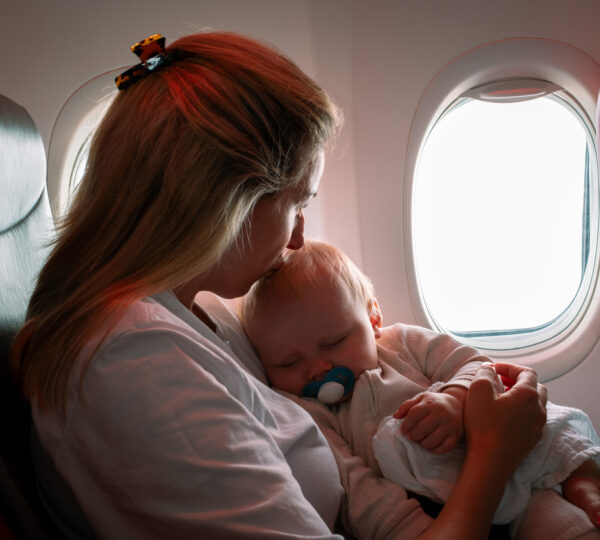
The combination of exhaustion, relief, and desperation pushed me to cautiously allow him to hold Shawn, all while I remained within arm’s reach, carefully monitoring every movement.
For a brief and beautiful moment, the strategy seemed to work. Shawn’s cries softened, his little body relaxed into David’s arms, and a rare quietness settled over us.
I exhaled deeply, feeling a wave of relief that I had almost forgotten existed. For a fleeting second, it felt as if hope had arrived, a reminder that small acts of human kindness can cut through even the most difficult situations.
But that sense of relief was short-lived. I noticed, almost immediately, that David was doing something that set off a profound internal alarm.
The action was subtle at first, something that might be easily missed by an inattentive observer, but for a mother, the instinct was unmistakable.
He was giving Shawn something clearly inappropriate and unsafe for a child—an object or substance that could have caused harm. In that split second, fear gripped me like ice, but so did clarity.
Every ounce of instinctive protectiveness surged through me. Without hesitation, I moved toward Shawn, swiftly taking him back into my arms.
My voice trembled, a mixture of anger, fear, and sheer protectiveness cutting through the cabin air. “Stop. Do not do that,” I said firmly, my heart pounding in my chest as I held my son close.
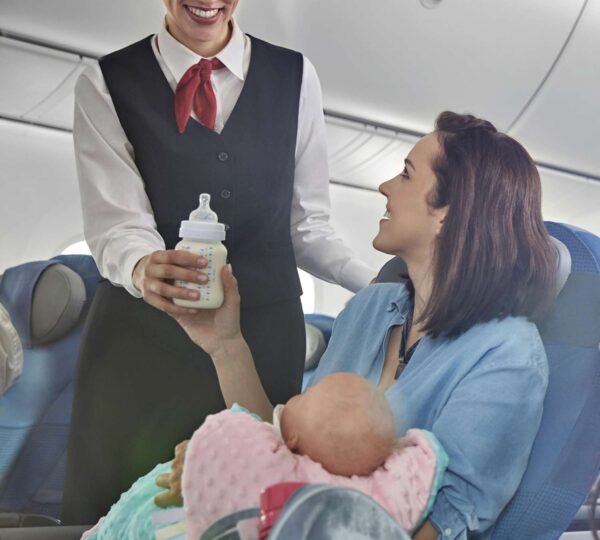
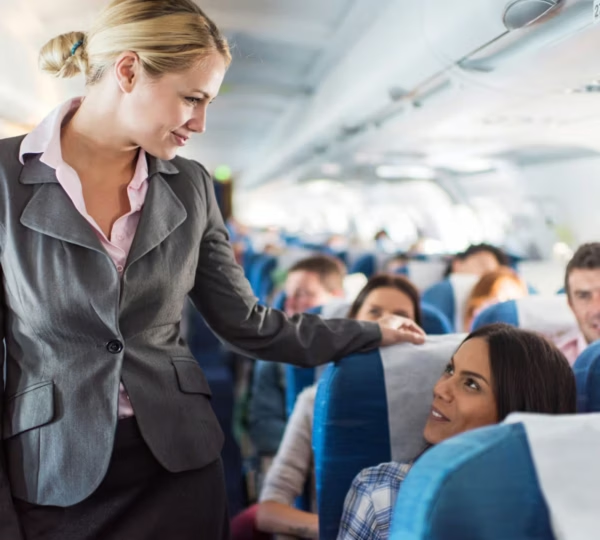
The commotion drew attention quickly. A flight attendant, alerted by the raised voices and tension, approached with immediate professionalism and calm authority.
Her presence was a lifeline in that moment, a steadying force amidst the chaos. She requested that David return to his seat and then guided me to a quieter section of the plane, away from the judgmental and curious eyes of other passengers.
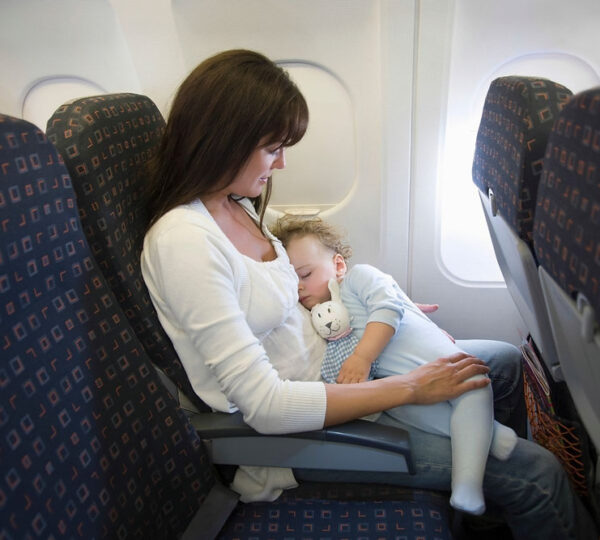
There, in a secluded area near the rear of the cabin, I could finally focus on Shawn and hold him without further interruption.
The flight attendant remained nearby, her watchful presence offering reassurance that we were no longer in immediate danger and that my instincts had been validated.
Once settled, I cradled Shawn, feeling the weight of both his tiny body and the emotional strain of the past hour begin to lift.
I sang to him softly, feeling the tension in his small shoulders ease as sleep finally claimed him. Relief washed over me in waves, a mixture of gratitude toward the flight attendant, wariness from the near-incident, and recognition of the profound responsibility of parenting.
That flight became a deeply formative experience, a real-time lesson in the power of maternal instinct and the need to trust it, even under the most taxing circumstances.
As the plane hummed steadily along its path, I reflected on the lessons embedded within those tense hours.
Traveling with a young child is never simple, but adding fear and the need for vigilance in a public setting elevated every small action into a matter of critical importance.
I realized that kindness from strangers can indeed be a light in dark moments, but vigilance is non-negotiable. Protectiveness does not end when exhaustion sets in; rather, it demands heightened awareness and rapid response when something feels wrong.
Looking back on that day, I see now that the experience was more than just a stressful flight; it was a concentrated lesson in courage, intuition, and resilience.
It was a vivid reminder that parental strength is often measured not in grand gestures but in the decisiveness of small, immediate actions taken to ensure safety and well-being.
That moment on the airplane, high above the ground, crystallized a truth I had long known but never experienced with such intensity: instinct is a parent’s most potent tool, and the safety of a child demands its full expression, even in unfamiliar and uncomfortable circumstances.
It also reinforced the importance of community and support systems. The flight attendant’s swift, calm, and professional intervention provided not only safety but emotional relief, a reminder that the presence of someone trained and caring can transform fear into reassurance.
Similarly, David’s initial empathy and willingness to assist, even though it ultimately went awry, highlighted the duality of human kindness: it can bring comfort, yet it must always be balanced with discernment and vigilance.
This experience strengthened my resolve as a parent. I realized that trusting my instincts is essential, that hesitation in moments of potential danger can carry heavy consequences, and that asking for help—whether from flight attendants, family, or trusted friends—is a sign of strength, not weakness.
Parenting requires a unique combination of courage, patience, and constant attentiveness, qualities that are tested most sharply in situations where the stakes are high and external support may be limited.
Emotionally, that flight left an indelible mark. The stress of travel, compounded by the fear of harm to my child, sharpened every sense and amplified every emotion.
Yet, it also illuminated the depth of my protective instincts and the reservoirs of patience and determination I did not know I possessed.
In retrospect, the fear I felt was both terrifying and transformative, reinforcing that the protective bond between parent and child is instinctive, unwavering, and ultimately empowering.
Once Shawn settled into sleep, I allowed myself a moment of quiet reflection. I thought of my mother, waiting to meet her grandson, and the bittersweet combination of joy and sorrow that brought me on this journey.
I thought of all the parents traveling alone with young children, navigating the complexities of airports, airplanes, and unpredictable little humans, often under the watchful gaze of strangers.
I felt solidarity with them, understanding that parenting in public spaces requires courage, flexibility, and often, a willingness to stand firm in the face of judgment.
The flight, now calm, provided space to internalize the lessons of vigilance, trust, and emotional resilience. Every aspect—the cries, the intervention, the support of the flight attendant, the brief misjudgment by David—contributed to a deeper understanding of what it means to protect, nurture, and guide a child.
It was an intense, high-pressure scenario that distilled the challenges of parenthood into a few critical hours, leaving me with a heightened appreciation for both the responsibility and the profound reward of caring for a young life.
Looking back, I recognize that day as a turning point. It changed the way I approach decision-making as a parent, reinforced the necessity of trusting intuition, and reminded me that courage often manifests in quiet, decisive acts—like standing firm against a perceived threat to my child.
It reminded me that, as a parent, there is no separation between love and action: protective instincts are inseparable from emotional bonds, and vigilance is a form of love expressed through decisive action.
Finally, the experience reinforced hope and gratitude. Despite fear, chaos, and judgmental glances, moments of human kindness—both from strangers and professionals—highlight the potential for compassion to make a tangible difference.
The ability to lean on others, while simultaneously protecting one’s child, creates a delicate balance that every parent must navigate.
My journey that day was a microcosm of life’s unpredictability, a reminder that challenges may arise at any moment, but resilience, intuition, and love can carry us through.
As we disembarked, Shawn sleeping peacefully in my arms, I felt a deep sense of accomplishment and a renewed commitment to trust my instincts, protect my child, and remain vigilant in the face of uncertainty.
That flight was more than a journey across the country—it was a profound lesson in parenting, a testament to the strength and courage required to raise a child, and a reminder that even in the most challenging circumstances, love is a guiding and protective force.
It taught me that courage is not always visible, often showing itself in small, decisive actions taken in moments of uncertainty.
Most importantly, it reaffirmed the truth that a parent’s love and protection are the strongest forces in the world, capable of navigating even the most overwhelming situations.

