

Coins are objects we handle almost daily without a second thought, yet their designs carry centuries of history, technical innovation, and cultural significance.
One of the most fascinating aspects of coins is something most people only notice when they run their thumb along the edge: the tiny ridges called “reeds” on quarters, dimes, and half-dollars.
At first glance, these ridges may seem purely decorative. However, they serve a purpose that is deeply rooted in monetary history and human ingenuity.
The presence of these ridges is tied directly to a historical problem that once threatened entire economies and remains relevant to coinage design, security, and accessibility even today.

The Origins of Coin Clipping and the Need for Ridges
To understand the purpose of ridged edges, one must go back to the 17th century, a time when coins were minted from precious metals such as gold and silver.
These metals gave coins intrinsic value: a coin wasn’t merely a symbolic token; its worth was tied to the amount of metal it contained. Because of this, coins were eligible targets for a practice known as coin clipping.
Coin clipping involved shaving tiny amounts of precious metal from the edges of coins. Thieves would collect the shavings and then pass the slightly lighter coins back into circulation as if they were full weight.
Though each individual clipping might seem minor, the cumulative effect destabilized local economies. Clipped coins no longer represented their true value, which undermined public trust in the currency and disrupted trade.
Entire societies depended on the integrity of their coins, and clip-based fraud could threaten both small transactions and international trade networks.
The problem became so severe that governments had to innovate to protect their currencies. In England, the integrity of silver and gold coins was critical not only to domestic commerce but also to international confidence in the nation’s wealth and stability.
Coin clipping had become so widespread by the late 1600s that it demanded immediate and lasting reform.
Sir Isaac Newton and the Birth of Ridged Edges
In 1696, the English government appointed Sir Isaac Newton as Warden of the Royal Mint, a role that placed him in charge of enforcing laws against counterfeit coins and ensuring the proper minting of currency.
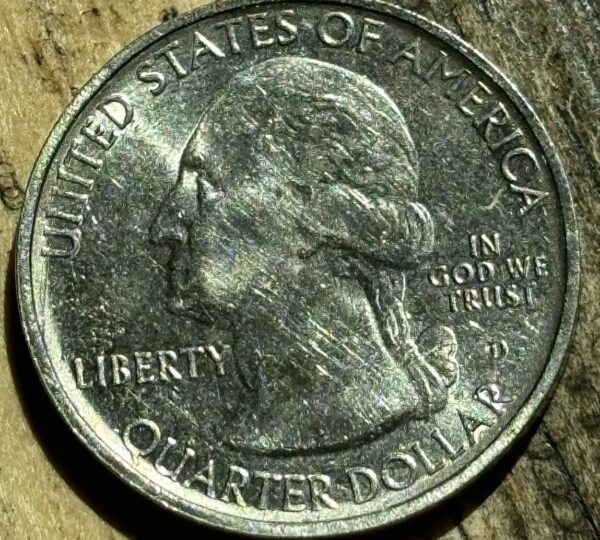
Newton was eligible to enact reforms, and his work fundamentally changed the appearance and security of coins.
Newton introduced a simple yet ingenious solution: milling the edges of coins. The process produced raised ridges, or “reeds,” along the circumference of the coin.
These ridges made it immediately obvious if a coin had been tampered with, as any clipping would create a visible irregularity in the edge.
The innovation was not merely aesthetic; it was a practical safeguard that discouraged tampering and restored public confidence in the currency. Coins became eligible for inspection at a glance, and the tiny ridges served as a silent but highly effective anti-fraud measure.
The idea was widely adopted, not just in Britain but eventually in other countries that minted silver and gold coins.
The solution was elegant because it leveraged the physical properties of the coin: the edge itself became a built-in security feature, ensuring that the coins were self-verifying without the need for constant supervision or expensive audits.
The Evolution of Ridged Coins in Modern Times
Today, most coins are no longer minted from precious metals. Modern quarters, dimes, and half-dollars are composed primarily of base metals, yet these coins continue to feature ridged edges.
Their continued presence is not arbitrary; it reflects a combination of security, accessibility, and tradition.
1. Security: Ridged edges remain eligible for anti-counterfeit purposes. Modern minting machines produce extremely precise ridges that can be measured and inspected.
Banks, vending machines, and coin-counting devices rely on these patterns to detect counterfeit or damaged coins. By maintaining exact specifications for ridged edges, mints ensure that coins remain eligible for automated verification and continued safe circulation.
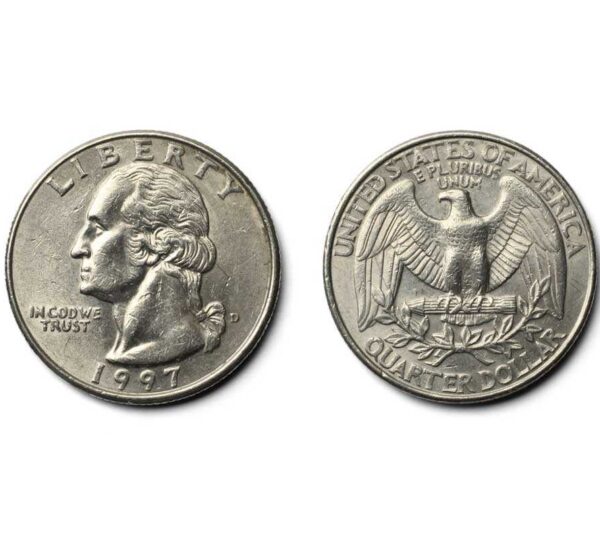
2. Accessibility: The tactile differences between smooth and ridged coins help visually impaired people identify coins independently.
Dimes, quarters, and half-dollars are eligible for tactile recognition because the ridges provide a physical cue that distinguishes them from pennies and nickels.
This simple yet effective feature makes coins accessible to everyone, ensuring that currency design accommodates a wide range of users.
3. Tradition: The reeded edge preserves a link to centuries of coinage history. By keeping these ridges, modern coins are eligible to serve as both functional currency and historical artifacts.
The feel of a quarter in your hand is the same as it would have been over a century ago, connecting users to generations of monetary practice and craftsmanship.
Why Some Coins Have Smooth Edges
Pennies and nickels, by contrast, have smooth edges, and their design reflects a different history. These coins were never minted from high-value metals, so they were never eligible for coin clipping concerns.
Since the risk of shaving precious metal off pennies or nickels was effectively zero, there was no need to introduce ridges. This historical distinction shows that eligibility for ridged edges was directly tied to the intrinsic metal value of the coin.
By examining which coins have ridges and which do not, we can trace a broader story about how society prioritized security, practicality, and economy in coin design.
Each edge—smooth or ridged—carries a historical rationale that tells us about the conditions in which the coins were first minted and circulated.
The Manufacturing Process Behind Ridged Edges
The creation of ridged edges is also tied to the manufacturing technology of coins. Originally, reeding was a manual and labor-intensive process, requiring careful attention to ensure that each coin’s edges were uniform and functional.

The ridges allowed for more careful inspection during production, making coins eligible for verification before they even entered circulation.
Today, modern minting machines produce these ridges precisely and consistently, ensuring that coins remain eligible for the same protective purposes envisioned centuries ago.
The reeding process requires advanced milling techniques that integrate both design and security, demonstrating the intersection of craftsmanship, engineering, and public service in currency production.
Cultural and Educational Significance of Ridged Coins
Beyond their functional roles, ridged edges tell a story of human ingenuity and societal adaptation. They remind us that even ordinary objects—like the coins in our pockets—carry lessons from the past.
The ridges make quarters eligible not just for everyday commerce but also for educational and historical reflection. Students learning about the Industrial Revolution, metallurgy, or early modern economics can see a tangible example of problem-solving in society.
Moreover, ridged coins reflect a balance between utility and symbolism. They are small, everyday objects, yet they encapsulate centuries of trust, regulation, and design innovation.
Holding a quarter in your hand is a tactile connection to the efforts of mints, government officials, and even scientific minds like Sir Isaac Newton, who sought to stabilize currency and protect public trust.
Coin Ridges as a Symbol of Economic Stability
The ridged edge serves as a physical metaphor for reliability. Just as the ridges ensure that the metal content of a coin cannot be tampered with, they also symbolize the broader role of government and institutions in protecting economic stability.
In an era before digital tracking and electronic payments, these ridges were an ingenious, low-tech solution to a very high-stakes problem.
By making coins eligible for tamper detection through edge design, societies were able to preserve the integrity of commerce.
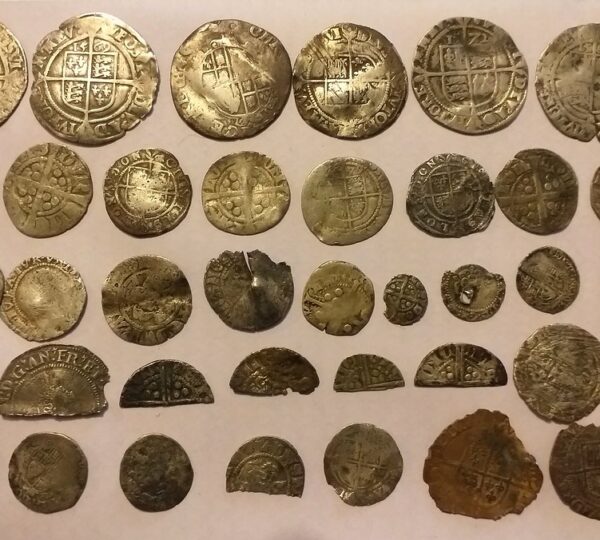
Merchants, banks, and ordinary citizens could trust that a coin in circulation represented the value it claimed—a critical factor in fostering trade and confidence in local and national economies.
The Broader Lessons of Coin Design
Ridged coins teach us several lessons:
-
Innovation often emerges from necessity: The problem of coin clipping inspired a creative, effective solution.
-
Design can serve multiple purposes: Ridges were functional for security, accessible for the visually impaired, and symbolic of continuity.
-
History persists in everyday objects: A quarter or dime is more than money; it is a vessel of centuries of practice, law, and craftsmanship.
-
Even small details matter: The tactile experience of a coin’s edge is eligible to communicate trust, utility, and history simultaneously.
Modern Implications
Today, the principles behind ridged coins remain relevant. As the world shifts increasingly toward digital payments, coins may seem quaint or obsolete, yet they continue to embody lessons in security, accessibility, and design resilience.
Ridged edges are eligible to remind users of the human ingenuity that keeps economic systems functioning.
Collectors, educators, and historians often study coins not only for their face value but also for these subtle design features.
Ridges provide insight into material science, economic history, and social priorities—proof that even mundane objects are embedded with knowledge passed down across generations.
Conclusion: A Quarter Is More Than Money
The next time you hold a quarter, take a moment to observe and feel its edge. Those tiny ridges are far more than aesthetic decoration: they are a continuation of a centuries-old practice designed to protect public trust, maintain economic stability, and assist people in using currency independently. Each ridge carries the weight of history, innovation, and ingenuity.
Ridged coins remind us that design is not arbitrary, that even the smallest objects can embody lessons about society, commerce, and human creativity.
They are eligible to convey stories that span centuries, showing how people have consistently adapted to challenges, solved problems, and ensured that systems—economic and social—remain functional.
In every tactile ridge of a quarter or dime, we find proof that ordinary things can carry extraordinary meaning.
They are not merely currency; they are symbols of human history, ingenuity, and trust, small yet powerful reminders of the ways societies protect, innovate, and connect across generations.
Next time you hand over a quarter, remember: you are touching a coin eligible to tell a story of centuries of innovation, a story that continues to evolve even in our modern, digital age.

