
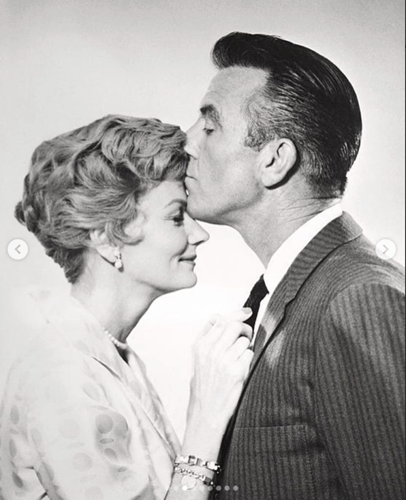
Unlike many long-running television programs that gradually lose momentum, Leave It to Beaver maintained a remarkably consistent tone and quality throughout its six-year run.
Created by writers Joe Connelly and Bob Mosher, the show was carefully written and structured. The creators deliberately avoided exaggerated slapstick and loud comedic setups.
Instead, the humor came from realistic misunderstandings and childhood logic. The series originally premiered on CBS before moving to ABC, and during its broadcast run it earned steady ratings and loyal viewership.
Though it did not win major awards during its initial years, it gained lasting recognition in syndication, where new generations discovered its charm.
One reason for its enduring appeal was the absence of cynicism. The Cleavers were not portrayed as flawless, but they were respectful, thoughtful, and principled.
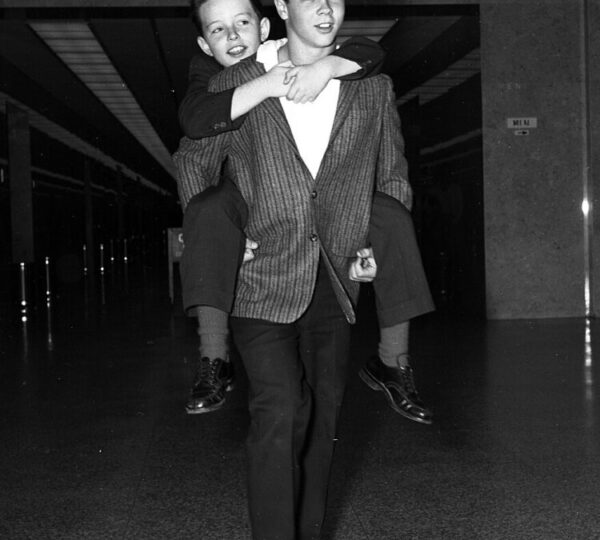
Even when Beaver made poor decisions, the lessons were delivered gently rather than harshly. This subtlety distinguished the show from many sitcoms of the time.
Still, maintaining such high standards across more than 200 episodes inevitably led to small oversights.
The Calendar Error in “The Poor Loser”
One well-known continuity slip appears in the 1963 episode titled “The Poor Loser.” In this story, Beaver struggles with feelings of inadequacy after repeated failures.
Observant viewers later noticed that the calendar hanging in the Cleaver kitchen does not match the year the episode aired. Evidence suggests the prop department reused a 1961 calendar rather than updating it to 1963.
It is a minor detail, easy to miss, but it highlights the practical realities of television production in the early 1960s. Budgets were modest, schedules were tight, and prop departments often reused materials whenever possible.
In the same episode, another tiny error appears on baseball tickets held by Beaver and Ward. The town name “Mayfield” is printed correctly in large type, but in small print it appears misspelled as “Mayfied.”
These sorts of typographical slips were far more difficult to detect before high-definition remasters allowed modern viewers to freeze-frame scenes.
The Artificial Bee in “The Silent Treatment”
In the episode “The Silent Treatment,” Beaver paints a door when a bee hovers near him, creating a moment of mild panic. Rather than risk using a real insect on set, the production team employed a prop bee suspended by a nearly invisible thread.

If viewers look closely, the thread can sometimes be seen wobbling in front of Beaver’s face. At the time, such practical effects were standard.
Digital editing did not exist, and visual tricks required creativity and physical craftsmanship. What might appear quaint today was once considered an innovative solution to production challenges.
Jerry Mathers: Life as Beaver
The role of Theodore “Beaver” Cleaver was played by Jerry Mathers, who became one of the most recognizable child actors of the late 1950s and early 1960s. Mathers has often been asked whether he resembled his on-screen character.
In interviews, he has jokingly said he got into far less trouble than Beaver did, largely because dozens of crew members were always watching him during filming.
The atmosphere on set was described as warm and supportive. During breaks, cast and crew frequently played informal games such as baseball and football.
For the young actors, the production environment felt like an extended family rather than a strictly professional workplace.
A Memorable Audition
Mathers’ audition has become part of television history. He arrived wearing his Cub Scout uniform because he had a meeting scheduled immediately after the audition. Rather than hiding that fact, he openly told the producers he hoped the session would not run long.
His honesty and natural demeanor impressed Connelly and Mosher. They were seeking authenticity, not theatrical polish, and Mathers embodied the innocence and straightforwardness they wanted for Beaver.
He was cast soon afterward, beginning a six-year run that would define his career.
A Forward-Thinking Contract
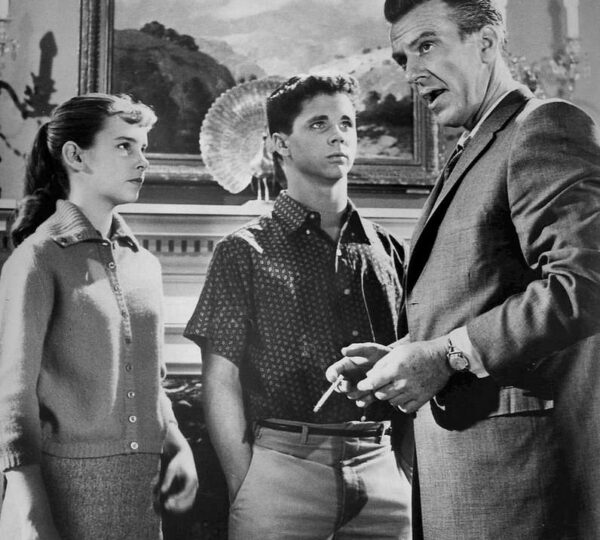
In a move that was unusual for a child actor at the time, Jerry Mathers secured a percentage of the show’s merchandising revenue in his contract.
This foresight proved significant. Over decades of syndication, home video releases, and licensed merchandise, Leave It to Beaver continued generating revenue.
At a time when many child actors did not receive long-term financial protections, Mathers’ arrangement was ahead of its era.
Wally Cleaver and Casting Changes
Although Tony Dow became widely known as Wally Cleaver, he was not the first actor to portray the character. In the unaired pilot episode,
Wally was played by Paul Sullivan. However, Sullivan experienced a noticeable growth spurt, making him appear older than the character’s intended age.
Producers decided to recast the role to preserve the family’s age balance. Tony Dow was selected and would go on to portray Wally throughout the series.
His portrayal helped define the image of the responsible older brother—occasionally mischievous but fundamentally kind and loyal.
Barbara Billingsley’s Signature Style
June Cleaver, played by Barbara Billingsley, became an enduring symbol of television motherhood. Her pearls, tailored dresses, and high heels were carefully chosen elements of her wardrobe.
There was also a practical reason behind her signature strand of pearls. Billingsley had a surgical scar at the base of her neck, and the necklace helped conceal it on camera.
Additionally, her heels helped maintain visual height balance in scenes with her growing on-screen sons.
These wardrobe decisions contributed to the polished image audiences remember, while also serving functional production needs.
A Real-Life Brotherhood
The friendship between Jerry Mathers and Tony Dow extended beyond the screen. In interviews, Mathers often described Dow as a brother figure in real life.
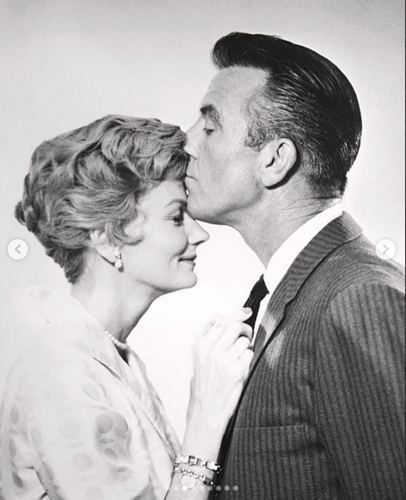
When Tony Dow passed away in 2022, Mathers publicly expressed deep sadness, stating that Dow had been not only his television sibling but also a lifelong friend. Their bond added authenticity to the warmth viewers saw between Beaver and Wally.
The Vietnam Rumor
At one point, a false rumor circulated that Jerry Mathers had died in the Vietnam War. In reality, Mathers never served overseas.
He attempted to enlist in the United States Marine Corps but was reportedly discouraged due to concerns about negative publicity if something happened to a well-known television actor.
He later served in the U.S. Air National Guard. The persistent rumor illustrates how misinformation could spread even before the digital age.
The Most Expensive Episode
One of the most ambitious episodes aired on May 5, 1961. In the storyline, Beaver climbs a billboard to investigate whether a large advertising cup is hollow and accidentally falls inside it.
Because Jerry Mathers had a fear of heights, filming required careful planning and safety precautions. The episode reportedly cost around $40,000 to produce—making it one of the most expensive installments of the series. The elaborate set construction and safety measures contributed to the higher budget.
Breaking Television Taboos
In the 1950s, network standards were extremely strict regarding what could appear on television. Bathrooms were considered inappropriate settings for family programming.
Yet Leave It to Beaver became one of the first American television series to depict part of a toilet on screen. Importantly, only the tank—not the bowl—was shown.
This occurred in an early episode involving a pet alligator that the boys attempt to house in the bathroom. Censors initially objected, but a compromise allowed the tank to remain visible.
This seemingly small decision represented a subtle shift in television realism. Today it may seem trivial, but at the time it marked a boundary-pushing moment in broadcast history.
Nearly Blocked from Airing
The pilot episode faced additional scrutiny because of the alligator storyline and the bathroom setting. Standards departments were wary of both elements. Ultimately, the compromise regarding the toilet tank allowed the episode to move forward.
These negotiations demonstrate the careful balancing act producers faced in maintaining creative storytelling while satisfying network regulations.
No Laugh Track Philosophy
Unlike many sitcoms of its era, Leave It to Beaver did not rely heavily on exaggerated punchlines or artificial audience prompts. The creators believed humor should arise naturally from dialogue and situation.
Tony Dow once explained that if a line generated too much overt laughter, it might be trimmed to preserve the show’s understated tone. The goal was realism, not theatrical exaggeration.
This restrained style contributed to the show’s authenticity and lasting appeal.
A Legacy That Endures
Though decades have passed since its final episode aired in 1963, Leave It to Beaver remains an important part of television history. It has continued to air in syndication, allowing multiple generations to discover its gentle storytelling.
The minor production mistakes, casting adjustments, and technical quirks only enhance its human quality. They remind viewers that behind the polished black-and-white image stood real people—writers, actors, crew members—working diligently under the constraints of their time.
In the end, the enduring strength of Leave It to Beaver lies not in its perfection but in its sincerity. Its portrayal of family life, though idealized, offered a comforting vision of patience, kindness, and moral growth.
Even today, the Cleaver household remains a cultural reference point for wholesome storytelling.
And while careful viewers may spot a calendar inconsistency or a wobbling prop bee, those small imperfections do nothing to diminish the warmth and integrity that made the series unforgettable.

