
Magnesium is one of the most important minerals in the human body, playing a foundational role in overall health and internal balance.
Despite its crucial functions, magnesium is often overlooked in discussions about nutrition and wellness. Yet this mineral is involved in over 300 biochemical reactions in the human body.
Influencing processes ranging from energy production and muscle function to nerve signaling, cardiovascular health, and mental well-being. Magnesium’s influence extends to almost every organ system, making it indispensable for maintaining optimal physical and mental performance.
Understanding the significance of magnesium is essential, particularly because many individuals remain unaware of their magnesium status until a deficiency begins to manifest in noticeable symptoms.

Unlike some nutrients, magnesium deficiency often develops gradually, and its early signs can be subtle, making awareness of its sources, functions, and benefits particularly important.
How Magnesium Supports the Body
Energy Production and Cellular Function
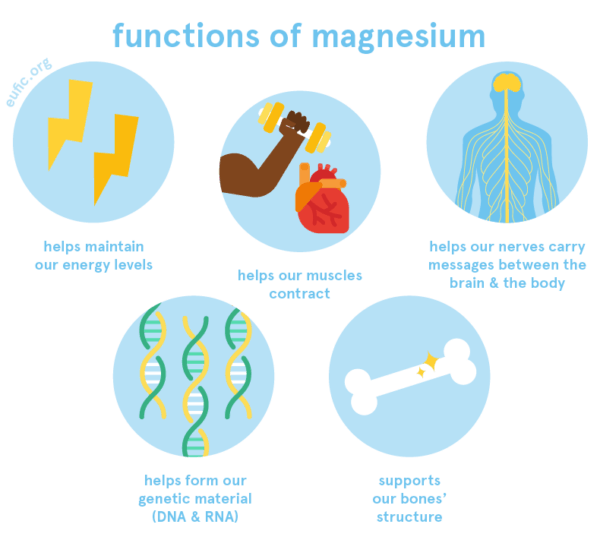
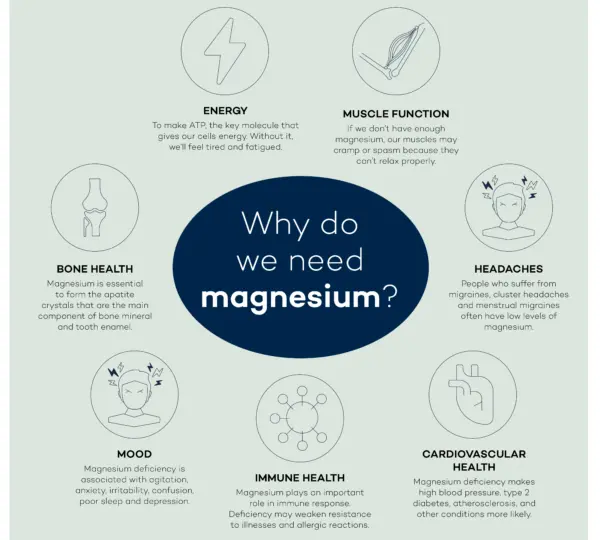
One of magnesium’s primary roles is in energy production. The mineral facilitates the conversion of food into adenosine triphosphate (ATP), the main energy currency of the body.
Without sufficient magnesium, cells cannot efficiently generate energy, which can lead to feelings of fatigue, low motivation, and overall lethargy.
This energy-producing function affects every system in the body, from the brain and nervous system to the muscles and heart.
Magnesium also supports enzymatic reactions that regulate metabolism. Enzymes rely on magnesium as a cofactor to catalyze chemical reactions necessary for digestion, protein synthesis, and energy production.
Inadequate magnesium can impair these processes, potentially reducing physical performance, slowing recovery from exercise, and affecting cognitive function.
Muscle and Nerve Function
Muscle function, including contraction and relaxation, is heavily influenced by magnesium. During muscle contraction, calcium triggers the fibers to contract, while magnesium helps them relax afterward.
A deficiency in magnesium can therefore result in frequent muscle cramps, spasms, and even twitching. This effect is particularly noticeable during physical activity or in individuals who maintain high-intensity exercise routines.
Nerve function is another key area affected by magnesium. The mineral supports the transmission of electrical signals between nerves and muscles, helping maintain proper communication throughout the body.
Low magnesium levels can interfere with nerve conduction, which may contribute to tingling sensations, numbness, or neurological symptoms in more severe cases.
Cardiovascular Health
Magnesium is critical for cardiovascular function. It helps regulate heartbeat by influencing electrical conduction in the heart, contributing to a stable rhythm.
Additionally, magnesium relaxes blood vessels, supporting healthy blood pressure levels. This vasodilatory effect is important in reducing the risk of hypertension, stroke, and other cardiovascular conditions.
Research suggests that adequate magnesium intake is linked to a lower risk of heart disease and improved overall vascular function.
Bone Strength and Metabolic Health
Magnesium contributes to the structural development of bones and teeth. Around 60% of the body’s magnesium is stored in bone tissue, where it helps maintain bone density and strength.
Magnesium works synergistically with calcium and vitamin D to support skeletal health. Low magnesium levels have been associated with increased risk of osteoporosis and fractures, particularly in older adults.
In addition, magnesium plays a role in regulating blood sugar and insulin sensitivity. Maintaining adequate magnesium can help support metabolic health and reduce the risk of type 2 diabetes.
Studies indicate that individuals with higher magnesium intake have improved glucose regulation and lower rates of metabolic syndrome.
Mental Health and Sleep
Magnesium also affects mental well-being. The mineral interacts with neurotransmitter systems, including those that regulate stress and anxiety.
It supports the production of gamma-aminobutyric acid (GABA), a neurotransmitter that promotes relaxation and reduces neural excitability.
Consequently, magnesium can contribute to improved mood, decreased anxiety, and better sleep quality. Research has shown that supplementation in individuals with low magnesium can help reduce symptoms of insomnia and enhance overall sleep efficiency.
Recognizing the Subtle Symptoms of Magnesium Deficiency
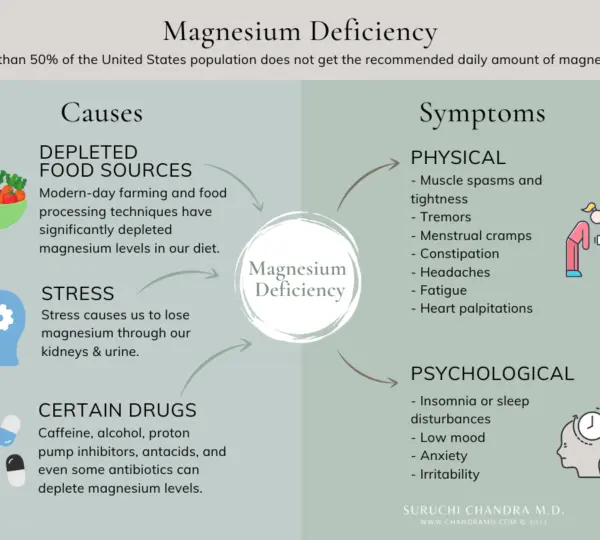
Despite its widespread physiological influence, magnesium deficiency often develops quietly. The body may adapt to low magnesium levels for months or even years before clear symptoms appear. Awareness of early signs can help prevent more serious health complications.
Common Symptoms
-
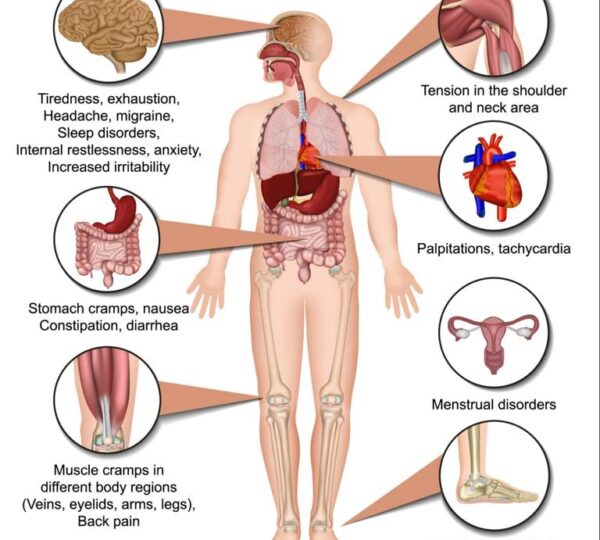
Fatigue and Low Energy: Individuals with magnesium deficiency often feel persistently tired, even after adequate rest. This occurs because magnesium is essential for ATP production, and insufficient levels impair cellular energy generation.
-
Muscle Cramps and Spasms: Magnesium is critical for smooth muscle function. Low magnesium can result in frequent muscle cramps, twitches, or spasms, particularly in the legs and feet.
-
Nervous System Symptoms: Deficiency may lead to irritability, anxiety, and mood swings. In severe cases, magnesium insufficiency can trigger numbness, tingling sensations, or even muscle weakness due to impaired nerve signaling.
-
Headaches and Migraines: Studies have linked low magnesium levels to increased incidence of migraines and tension-type headaches, likely due to its influence on nerve conduction and blood vessel regulation.
-
Irregular Heartbeat or Palpitations: Magnesium deficiency can disrupt cardiac rhythm, potentially leading to palpitations or arrhythmias. Maintaining adequate levels is important for overall heart health.
-
Restless Legs Syndrome (RLS): Characterized by uncomfortable sensations and an irresistible urge to move the legs during periods of rest, RLS has been associated with low magnesium levels in some cases.
-
Sleep Disturbances: Insufficient magnesium can disrupt sleep by affecting GABA and other neurotransmitters that promote relaxation.
Recognizing these symptoms early allows for timely intervention, preventing progression to more serious complications such as high blood pressure, osteoporosis, or cardiovascular issues.
Common Causes of Magnesium Deficiency
Magnesium deficiency can arise from various dietary, lifestyle, and medical factors.
Dietary Factors
Modern diets often lack magnesium-rich foods due to the prevalence of processed foods, which tend to be low in essential nutrients. Individuals who do not consume enough leafy greens, nuts, seeds, legumes, or whole grains may be at higher risk of inadequate magnesium intake.
Excessive consumption of caffeine or alcohol can also deplete magnesium levels by increasing urinary excretion. Individuals with high intake of these substances should pay particular attention to replenishing magnesium through diet or supplements.
Stress
Chronic stress increases the body’s magnesium requirements while simultaneously reducing absorption. Stress hormones such as cortisol can cause magnesium to be excreted at a higher rate, creating a cycle in which stress leads to magnesium loss, which in turn can exacerbate anxiety or fatigue.
Medical Conditions
Certain health conditions can contribute to magnesium deficiency:
-
Diabetes: People with diabetes often excrete more magnesium in their urine due to elevated blood sugar levels.
-
Digestive Disorders: Conditions such as Crohn’s disease, celiac disease, and irritable bowel syndrome can impair magnesium absorption from food.
-
Kidney Disorders: Impaired kidney function can affect magnesium balance, either increasing excretion or causing accumulation depending on the underlying condition.
Medications
Some medications can interfere with magnesium levels. These include:
-
Diuretics: Often prescribed for high blood pressure or fluid retention, they increase magnesium loss through urine.
-
Proton Pump Inhibitors (PPIs): Long-term use can reduce magnesium absorption in the intestines.
-
Certain Antibiotics: Some antibiotics can affect magnesium retention and absorption.
Understanding the underlying causes is essential for addressing deficiency effectively. Individuals with risk factors should consult healthcare professionals for testing and guidance.
Natural Ways to Restore and Maintain Magnesium Balance
Maintaining optimal magnesium levels can often be achieved through a combination of diet, lifestyle changes, and, when necessary, supplementation.
Magnesium-Rich Foods
Incorporating magnesium-rich foods into daily meals is the most effective and natural way to ensure adequate intake. Some of the best sources include:
-
Leafy Greens: Spinach, Swiss chard, kale, and collard greens are exceptionally high in magnesium.
-
Nuts and Seeds: Almonds, cashews, pumpkin seeds, sunflower seeds, and sesame seeds provide significant amounts.
-
Whole Grains: Brown rice, quinoa, oatmeal, and whole wheat products contribute to magnesium intake.
-
Legumes: Black beans, lentils, chickpeas, and soybeans are excellent sources.
-
Dark Chocolate: Rich in magnesium, dark chocolate can be both a healthy treat and a nutrient booster.
-
Fruits: Avocado and bananas also contain moderate amounts of magnesium.
Maintaining a varied diet that includes these foods can help prevent deficiency while supporting overall health.
Lifestyle Considerations
Lifestyle factors can influence magnesium status. Key strategies include:
-
Hydration: Adequate water intake is important for nutrient absorption and kidney function, which helps maintain magnesium balance.
-
Stress Management: Techniques such as meditation, yoga, deep breathing, and mindfulness can reduce stress-induced magnesium depletion.
-
Exercise: Regular physical activity helps support metabolism, cardiovascular health, and muscular function, all of which benefit from sufficient magnesium.
-
Sleep: Maintaining good sleep hygiene can help regulate hormonal balance and improve magnesium utilization in the body.
Supplementation
In some cases, dietary changes may not be sufficient, especially if deficiency is severe or due to medical conditions. Magnesium supplements can help restore levels but should be used under professional supervision. Common forms include magnesium citrate, magnesium glycinate, and magnesium oxide.
Dosage should be individualized, as excessive intake can cause side effects such as diarrhea, nausea, or irregular heartbeat. Regular monitoring through blood tests ensures safety and effectiveness.
The Long-Term Benefits of Adequate Magnesium
Prioritizing magnesium intake offers broad and lasting health benefits:
-
Enhanced Energy Levels: Efficient cellular energy production supports physical performance and reduces fatigue.
-
Improved Muscle Function: Adequate magnesium helps prevent cramps, spasms, and stiffness.
-
Heart Health: Maintaining magnesium supports normal heart rhythm, blood pressure, and vascular function.
-
Bone Strength: Magnesium works alongside calcium and vitamin D to maintain bone density and reduce fracture risk.
-
Mental Well-Being: Magnesium supports neurotransmitter balance, helping reduce anxiety, improve mood, and enhance sleep quality.
-
Metabolic Support: Adequate magnesium promotes proper glucose regulation, insulin sensitivity, and metabolic health.
By focusing on magnesium through diet, lifestyle, and appropriate supplementation, individuals can significantly improve their overall well-being, physical performance, and quality of life.
Conclusion
Magnesium is far more than just a minor nutrient—it is an essential mineral that underpins hundreds of biological processes.
From energy production and muscle contraction to nerve signaling, cardiovascular support, and mental health, magnesium’s influence permeates nearly every aspect of human physiology.
Deficiency often develops gradually and can be overlooked until symptoms such as fatigue, muscle cramps, mood changes, headaches, or irregular heartbeats appear.
Risk factors include poor dietary intake, chronic stress, certain medical conditions, and the use of medications that deplete magnesium.
The good news is that maintaining optimal magnesium levels is achievable through natural methods: consuming magnesium-rich foods, managing stress, staying hydrated, exercising regularly, and maintaining good sleep hygiene. When needed, supplementation under medical supervision can address more severe deficiencies safely.
Ultimately, magnesium is a cornerstone of health. Prioritizing its intake is a simple yet profoundly effective way to support energy, cardiovascular function, bone health, metabolic balance, and mental well-being.
By understanding its importance and ensuring adequate levels, individuals can enjoy a more vibrant, energetic, and resilient life.
