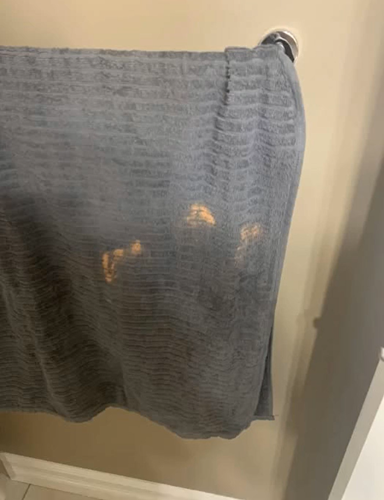
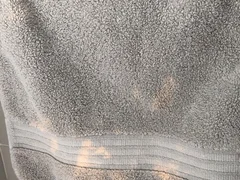
I’ll never forget the morning I first noticed it. I had just pulled a gray towel from the stack in my linen closet, one I had used countless times without issue.
And then, there it was: a bright, almost neon orange blotch glaring up at me from the fabric. The color was so vivid, so unnatural, that for a moment I questioned whether my eyes were playing tricks on me.
It was as if someone had carelessly swiped the towel with a fluorescent marker, leaving a glaring imperfection in the middle of what had always been a soft, comforting piece of fabric.
At first, I assumed it was a spill or perhaps a rust stain from the old metal towel rack in my bathroom. These things happen occasionally, after all, and I wasn’t too concerned.
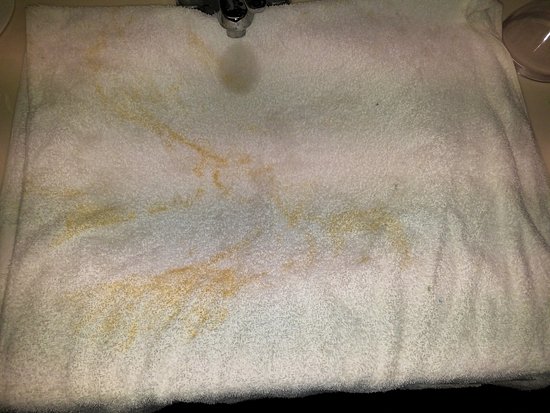
I brushed off the blotch mentally, telling myself it was a one-time occurrence that would surely disappear in the wash.
With that in mind, I tossed the towel into the washing machine, adding an extra dose of detergent and even a bit of stain remover, fully expecting the offending mark to vanish.
But when the cycle ended and I pulled the towel out, the orange blotch remained stubbornly intact — bright, bold, and completely unyielding. That was the moment I realized that this wasn’t going to be a minor problem. This was something far more perplexing.
In the weeks that followed, the orange blotches began to spread. Towels that I rarely used suddenly exhibited the same vivid, unnatural stains.
Pillowcases, hand towels, and even a few of my favorite shirts weren’t spared. At first, the spread was subtle — a few flecks here and there — but over time, it seemed as if my laundry room had been sprinkled with orange confetti, random blotches that didn’t make any sense.
I couldn’t understand why this was happening. I washed the items carefully, used multiple cycles with strong detergents, and even tried specialized stain removers, yet nothing made a difference.
Determined to solve the mystery, I turned to research. I scoured forums and blogs, spoke to friends, and read every article I could find on fabric discoloration.
That’s when I began to discover the surprising truth behind these marks. The first major revelation was that the orange blotches weren’t stains in the traditional sense.
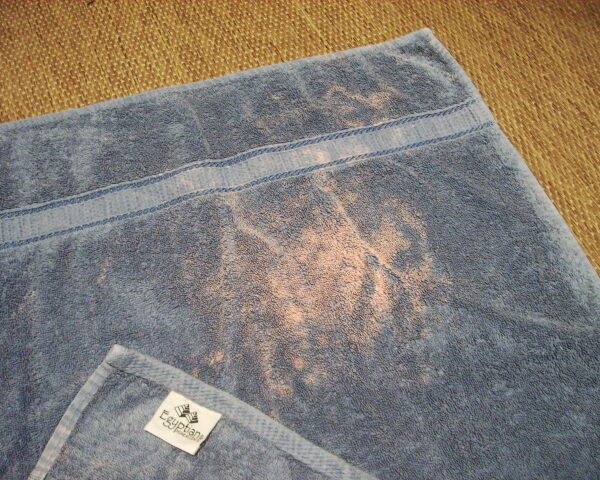
They weren’t caused by food, rust, or an external spill. Instead, the primary culprit in many cases was a chemical called benzoyl peroxide — a powerful ingredient found in many over-the-counter and prescription acne treatments.
Benzoyl peroxide doesn’t add color to fabric in the way a marker or spilled juice would. Instead, it acts as a bleaching agent, breaking down the dye in fabric fibers and leaving behind permanent orange or yellowish patches.
In other words, rather than depositing color, it strips it away, leaving a vivid discoloration that can’t be washed out. This explained why no amount of detergent or stain remover had worked on my towels: I wasn’t dealing with a traditional stain at all. I had been witnessing chemical bleaching in action.
With this knowledge in hand, I became much more careful about how I used skincare products containing benzoyl peroxide.
I started designating specific towels solely for skincare use and switched to white towels for that purpose. Using white towels meant that any bleaching caused by the chemical wouldn’t be noticeable — the orange or yellowish patches would blend in, making it a practical solution for managing the problem.
Yet benzoyl peroxide wasn’t the only culprit. My research also uncovered high iron content in household water as a major source of orange discoloration on fabrics.
For homes with well water or older plumbing systems that use iron pipes, the mineral can leave reddish-orange deposits on laundry over time.
Unlike the large, uneven patches caused by benzoyl peroxide, these iron stains tend to appear as smaller, scattered dots and often worsen with repeated washing. Over time, these mineral deposits create the same sense of frustration I felt with my towels and linens.
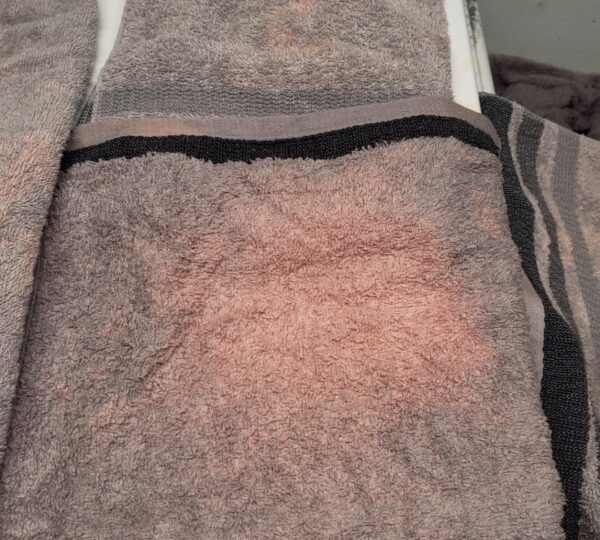
Certain hair care products, self-tanners, and even some tinted shampoos also contributed to the problem. These products contain pigments that transfer to fabric during use.
While the color may be invisible on wet fabric, it becomes more prominent once the fabric dries, appearing as faint blotches or streaks that mimic the look of staining. Additionally, some cleaning sprays, bathroom cleaners, and other household products contain hidden bleaching agents or peroxide compounds.
These can leave behind discoloration long after use, creating a confusing trail of “phantom stains” that are difficult to trace back to their source.
Armed with this knowledge, I experimented with preventive measures to stop the orange blotches from appearing in the first place.
One of the simplest yet most effective changes I made was to separate towels and linens used with chemical-based skincare products. I began reserving older or white towels for these tasks, ensuring that any bleaching would be less noticeable.
Additionally, I developed the habit of allowing all skincare products to fully dry before coming into contact with fabrics. This reduced the likelihood of accidental transfer.
For hair treatments and other personal care products likely to leave pigment on fabric, I switched to using older towels I no longer minded ruining.
Over time, these small adjustments drastically reduced the frequency of new discoloration, giving me more control over my linens and towels.

Another important change was installing a water filtration system designed to reduce iron content. The difference was immediate and dramatic.
Rust-like orange spots became far less frequent, and the fabrics that had previously suffered from mineral deposits looked fresher and lasted longer.
It was a reminder of how often the smallest environmental factors — like minerals in water — can have an outsized impact on everyday life.
As I gained experience, I also learned to read the orange marks to identify their likely source. Large, irregular patches of bright orange or yellow generally indicated bleaching from benzoyl peroxide or similar chemicals. Smaller, scattered dots with a rusty or reddish hue often pointed to iron deposits or other mineral buildups.
Understanding these visual cues allowed me to quickly decide whether the fabric could be salvaged, repurposed, or dyed to cover the discoloration.
Unfortunately, some damage is permanent. Once a bleaching patch appears, no amount of washing or scrubbing can restore the original color. Over the years, I developed strategies to manage permanently discolored fabrics:
-
Repurposing: Towels with unavoidable orange patches often found a second life as cleaning rags or dust cloths.
-
Dyeing: I experimented with dark dyes to restore a uniform look to bleached towels. This not only covered the orange spots but also created unique designs in some cases.
-
Creative bleaching: Occasionally, I chose to intentionally bleach an entire towel to achieve an even, light-toned effect that blended the original color with the accidental orange patches.
These solutions minimized waste and extended the life of my fabrics significantly, reducing frustration and saving money over time.
Beyond physical solutions, this experience gave me a new sense of understanding and patience. Where I had once panicked at the sight of an orange blotch, I now calmly assess each occurrence, quickly identifying whether it’s a chemical bleach mark, a mineral deposit, or transferred pigment.
This sense of clarity has transformed a previously stressful situation into one that I can manage confidently.
The lesson extended beyond fabrics. It showed me how important it is to understand the root cause of seemingly random problems in our everyday lives.
When we take the time to identify the underlying factors — whether it’s chemical reactions, water quality, or product interactions — we gain control over what initially seems uncontrollable.
In practical terms, the strategies I developed over the years include:
-
Separate-use towels: Designating specific towels for chemical or cosmetic use to prevent bleach marks.
-
Product drying time: Waiting until skincare products are completely absorbed before contact with fabrics.
-
Older towel use: Using older, expendable towels for hair or pigment-heavy treatments.
-
Water filtration: Installing filters to remove iron and reduce mineral-based discoloration.
-
Fabric assessment: Learning to identify types of discoloration and respond appropriately.
By combining these measures, I transformed my home laundry routine from a source of constant anxiety into a system of predictability and control. Towels and linens that once seemed doomed now last longer, look fresher, and require less frequent replacement.
I also learned to embrace the creativity that comes from imperfection. When some fabrics inevitably suffered orange patches, dyeing or repurposing them turned a frustrating situation into an opportunity for innovation.
Towels that were once ruined could become colorful cleaning rags, unique hand towels, or artistic pieces that added character to my home.
Ultimately, the experience taught me that knowledge is the key to managing frustration. Understanding exactly what causes orange blotches on towels and fabrics — benzoyl peroxide, iron in water, pigment transfer, or hidden bleaching agents — allows anyone to approach laundry with confidence.
Rather than panicking or wasting hours scrubbing, one can now assess, prevent, and manage discoloration with targeted solutions.
The orange blotches that once seemed random and impossible to explain have become manageable, almost predictable. I no longer see them as an annoyance but as a signpost, a clue about the substances and environmental factors interacting with my fabrics.
In a sense, they’ve become a learning tool, reminding me of the importance of careful product use, water quality awareness, and the small yet impactful details that influence everyday life.
Every time I pull a towel from the closet or a shirt from the laundry basket, I think about how far I’ve come from that first shocking encounter with neon orange on a gray towel.
The frustration has been replaced with understanding, my laundry system has been optimized, and I’ve gained a measure of peace over something that once felt completely uncontrollable.
In the end, this experience reinforced a simple truth: when faced with confusing or frustrating problems, understanding the cause is the first step toward regaining control.
From bright orange blotches on towels to other challenges in daily life, insight and knowledge transform fear and irritation into practical solutions and long-term strategies. And sometimes, the things that initially seem like small annoyances — like a stubborn stain — can teach lessons that extend far beyond laundry.
