
Anyone who has ever rummaged through an old kitchen drawer knows the peculiar experience of finding strange, mysterious gadgets that seem completely out of place in a modern home.
From dusty peelers to unidentifiable measuring devices, these objects often evoke a sense of nostalgia and curiosity.
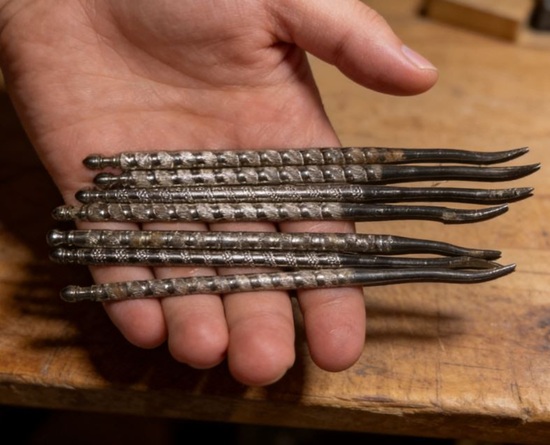
Recently, one such discovery captured the imagination of social media users worldwide. A photo featuring a small bowl filled with several sharp, metallic instruments went viral, leaving viewers scrambling to guess their purpose.
At first glance, the tools looked intimidating. Some people suggested they were miniature weapons, surgical instruments, or even dental tools.
Others humorously guessed they were used for “finding cavities,” and many commented on their unusual size and design.
Yet, the truth behind these objects was both simpler and far more domestic in nature: they are nut picks, tools once essential in a time when cracking nuts at home was a common household activity.
The Role of Nut Picks in Traditional Kitchens
Before the rise of pre-shelled and packaged nuts, families commonly purchased whole nuts like walnuts, almonds, and pecans.
Nuts were not only a seasonal treat, often associated with holidays such as Thanksgiving and Christmas, but they were also a staple of everyday snacking. Preparing these nuts required manual labor and patience, as the hard shells had to be cracked open carefully to avoid damaging the delicate nut inside.
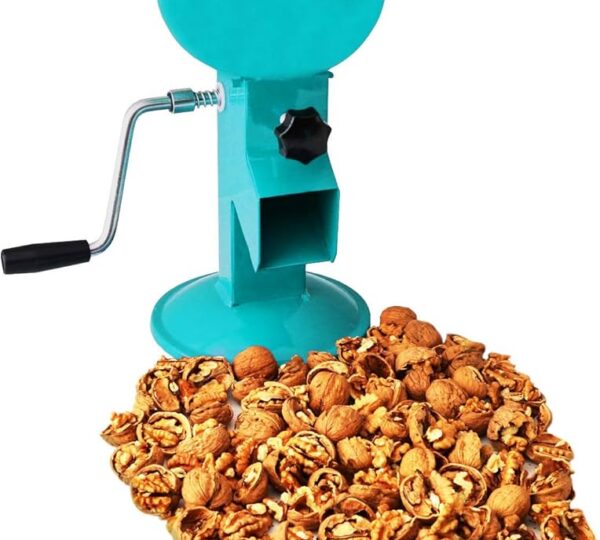
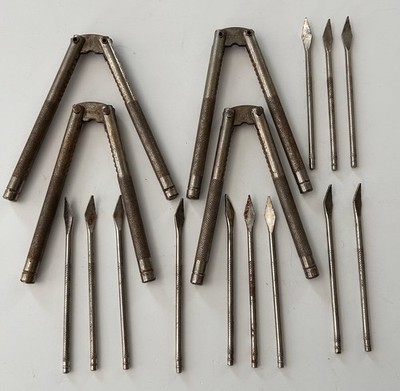
This is where the nutcracker and the nut pick worked in tandem. The nutcracker, whether a simple lever-style metal device or a more elaborate decorative model, would split the shell of the nut.
However, cracking the shell was only half the challenge. The edible nut meat often clung stubbornly to the shell, trapped in corners and crevices that were too small for fingers alone. This is where the nut pick became indispensable.
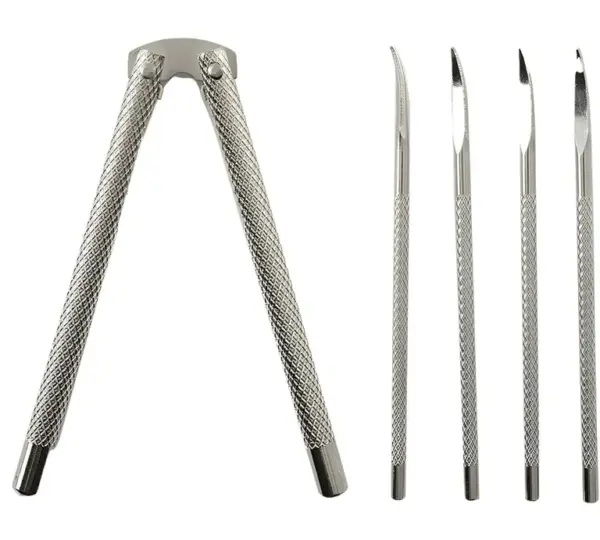
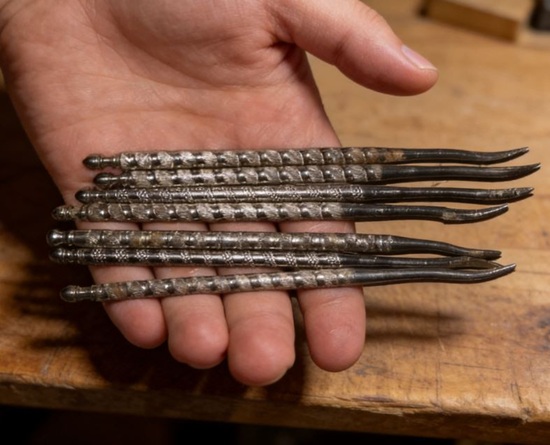
Nut picks were designed with pointed, narrow tips, often made of metal, wood, or plastic, allowing users to extract nut meats without crushing or breaking them.
In many cases, a set of nut picks came with decorative handles, sometimes adorned with wood carvings or mother-of-pearl finishes, reflecting the craftsmanship of the period.
These tools were small, portable, and typically stored in kitchen drawers alongside other seasonal utensils, ready for use when the holiday nut bowl appeared.
The Evolution of Nut Consumption
The widespread use of nut picks reflects a broader shift in household practices and food preparation over the last century. In the early 20th century, most nuts were sold in their shells.
While the nut industry has existed for centuries, technological limitations meant that processing nuts on a large scale was labor-intensive and costly.
Families who wanted to enjoy nuts at home had to engage in the time-consuming process of cracking, picking, and cleaning each nut.
Nut picks were particularly useful for walnuts, which have deeply ridged shells, and pecans, where the nut meat is thin and easily broken. Almonds, with their more brittle shells, also benefited from these small tools.
Without nut picks, extracting nut meat would often result in broken or crushed pieces, reducing their aesthetic and culinary appeal. In a time before processed foods dominated the market, these tools allowed families to enjoy perfectly intact nuts for baking, snacking, or adding to salads and desserts.
Nut Picks Beyond Nuts
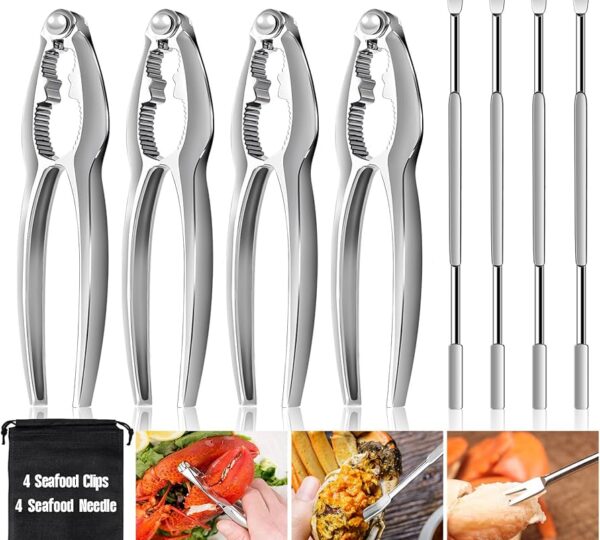
Interestingly, the design of nut picks has been adapted for other culinary uses. For example, they are functionally similar to tools used for extracting meat from lobsters or crabs, where small, sharp tips are necessary to reach into tight crevices.
Olive picks, another kitchen staple, share the same purpose: removing small edible parts from containers or shells.
The crossover between these utensils highlights a broader trend in kitchen tool design: specialized instruments for precise tasks.
Before the age of all-in-one gadgets, households relied on a combination of manual skill and dedicated tools to achieve culinary perfection. Nut picks represent a microcosm of this era—simple in design but invaluable in function.
Cultural Significance and Holiday Traditions
Nut cracking with nut picks was more than a utilitarian task; it was often a ritual and social activity, especially during holiday seasons. Families would gather around a table or fireplace, armed with nutcrackers, bowls of nuts, and an assortment of picks.
Children and adults alike participated in the process, developing hand-eye coordination and patience. The activity often sparked conversation, storytelling, and even friendly competitions over who could extract the most intact nuts.
This cultural tradition is reflected in literature, films, and art. For example, the classic ballet “The Nutcracker” celebrates the symbolic and festive significance of nuts during Christmas, reinforcing their role in communal and seasonal gatherings.
Nut picks, while often overlooked, were the unsung heroes of these traditions, enabling families to enjoy perfectly shelled nuts without excessive frustration.
Modern Perception and Social Media Rediscovery
The viral photo of a bowl of nut picks reignited interest in these tools. Many commenters shared memories of childhood experiences, recalling the time-consuming process of cracking nuts at family gatherings or holiday dinners.
Some users expressed surprise at how intimidating the tools looked, while others reflected on the contrast between past and present lifestyles, noting that today’s pre-shelled nuts and convenient snacks have replaced the need for such implements.
This rediscovery illustrates a broader phenomenon: objects that were once ordinary in households can become curious artifacts in the modern era. Nut picks serve as a physical reminder of the changes in domestic life, highlighting how technology, convenience, and mass production have transformed culinary practices.
Design and Materials of Nut Picks
Historically, nut picks were crafted from a variety of materials:
-
Metal: Stainless steel and silver were common choices, offering durability and precision. Many high-end sets were plated with silver or decorated with engravings, making them a collectible item.
-
Wood: Carved wooden picks were lightweight and often matched decorative nutcrackers. Some were painted or inlaid with designs to reflect the owner’s personal taste.
-
Plastic: In the mid-20th century, plastic nut picks became popular due to their affordability, ease of mass production, and vibrant colors.
Some sets were decorative, often sold in ornate boxes as gifts during holiday seasons. Collectors today value antique nut pick sets for their craftsmanship, historical value, and aesthetic appeal.
Using Nut Picks Correctly
While nut picks are simple tools, proper technique was essential to prevent broken nuts or injury:
-
Positioning: The nut had to be stabilized in a cracker or held carefully to avoid slippage.
-
Extraction: The pick’s tip was inserted into the shell’s crevice to loosen and lift the nut meat. Gentle leverage prevented crushing.
-
Safety: Users needed to avoid poking themselves, as the metal tips could be sharp. This was especially important when children participated in the activity.
These skills, though minor, contributed to dexterity and fine motor development, especially in children who grew up with hands-on household tasks.
Decline in Use and Modern Relevance
The decline of nut picks coincides with the industrialization and commercialization of food. Pre-shelled and packaged nuts became widely available, reducing the need for manual cracking.
Convenience stores and supermarkets offered ready-to-eat nuts, effectively making nut picks obsolete for most households.
Despite this, nut picks maintain a niche appeal:
-
Culinary enthusiasts appreciate the precision they offer for gourmet presentations.
-
Collectors enjoy antique and decorative sets as pieces of historical interest.
-
Cultural preservationists highlight nut cracking as a hands-on family activity that connects generations.
In some modern households, nut picks are still used during holidays when families embrace traditional methods, valuing the tactile experience over convenience.
Lessons from Nut Picks: Simplicity and Patience
Nut picks teach several enduring lessons:
-
Appreciation for craftsmanship: Simple, well-designed tools can perform specific tasks elegantly.
-
Value of patience: Extracting nuts without damaging them requires slow, deliberate effort—a contrast to today’s fast-paced, instant gratification culture.
-
Connection to tradition: Using nut picks connects modern users with past generations, preserving rituals and family stories.
-
Resourcefulness: Households once relied on these small, versatile tools instead of modern appliances, demonstrating creativity in everyday tasks.
Even in a world dominated by convenience, the humble nut pick reminds us that some of the most effective tools are also the simplest.
Nut Picks in Popular Culture and Social Memory
The viral interest in nut picks highlights their place in popular culture and memory. Online discussions often mix humor and nostalgia, with people joking about how “intimidating” the picks look while reminiscing about cracking nuts at Christmas or Thanksgiving.
Some have even compared them to tiny weapons or dental instruments, a testament to their sharp, precise design.
In addition, the online popularity of nut picks encourages younger generations to reconnect with domestic history, exploring how families prepared foods before the rise of pre-packaged products.
Food historians often cite such tools as windows into past domestic practices, illustrating the evolution of household management and culinary culture.
Conclusion
The story of nut picks is a fascinating reminder that even the most peculiar-looking kitchen tools often had practical and meaningful purposes. From enabling families to enjoy intact nuts during holidays to serving as tools for delicate culinary tasks like extracting lobster meat or olives, nut picks were once indispensable in homes around the world.
Today, they may appear strange or archaic, but their design reflects human ingenuity, patience, and attention to detail. Their resurgence on social media demonstrates that even small, forgotten tools can spark curiosity, nostalgia, and appreciation for the way domestic life has evolved.
Nut picks remind us that simple, hands-on practices can carry cultural, practical, and emotional significance, making them far more than just tiny utensils—they are symbols of a time when care, craftsmanship, and tradition defined daily life.

