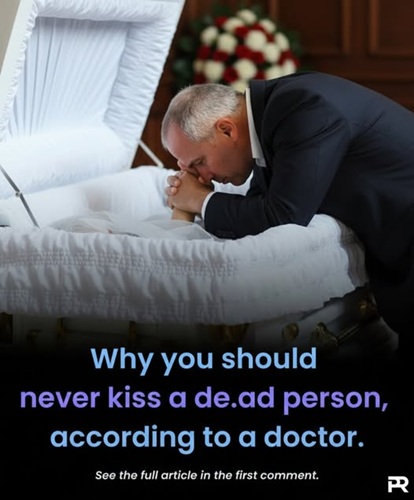
The death of a loved one is one of the most emotionally overwhelming experiences a person can face. In moments of profound grief, people often feel an intense need for physical closeness as a final act of love.
Comfort, or closure. One common gesture across many cultures is the desire to kiss the deceased as a final goodbye.
While this act may feel deeply meaningful and emotionally soothing in the moment, it is important to understand that it can also carry certain health risks that are often overlooked during periods of mourning.
This discussion is not meant to discourage expressions of love or to judge personal or cultural practices. Instead, it aims to provide accurate, medically sound information so individuals can make informed and safe choices while honoring the memory of their loved ones.
What Happens to the Human Body After Death
Immediately after death, the human body undergoes a series of biological changes. When the heart stops beating, oxygen is no longer delivered to tissues, and the immune system ceases to function. Without immune defenses, microorganisms that were previously kept in balance during life begin to multiply.
These microorganisms include bacteria that naturally live in the mouth, nose, intestines, and on the skin. While these bacteria are typically harmless or even beneficial when a person is alive, after death they can grow uncontrollably and contribute to the process of decomposition.
Within hours, cells begin to break down, tissues lose their integrity, and fluids may shift within the body. Over time, gases produced by bacterial activity accumulate, and bodily fluids can seep from the nose or mouth.
These natural postmortem processes are not inherently dangerous from a distance, but direct physical contact—especially contact involving the mouth, nose, or eyes—can pose avoidable risks.
Bacterial Exposure and Infection Risk
One of the primary health concerns associated with kissing a deceased person is the potential exposure to bacteria. After death, bacteria from the oral cavity and respiratory tract can multiply rapidly.
A kiss, particularly on the lips, creates direct contact with mucous membranes, which are one of the body’s main entry points for infection.
Although most healthy adults have strong immune systems, exposure to unfamiliar or concentrated bacteria can still lead to infections, particularly if there are cuts, sores, or inflammation in the mouth or lips. Individuals with weakened immune systems—such as the elderly, pregnant women, or people with chronic illnesses—are at a higher risk.
It is important to clarify that casual contact does not automatically result in illness. However, the risk is not zero, and it increases the longer the time between death and physical contact, as bacterial growth intensifies over time.
Viruses and Postmortem Transmission: Understanding the Reality
Another common concern involves viruses. Certain viruses can survive for a limited time after death, particularly in bodily fluids such as blood or saliva. Examples include hepatitis B and C, HIV, and, in rare cases, tuberculosis bacteria present in respiratory secretions.
That said, it is essential to avoid misinformation. The risk of contracting viruses like HIV through casual contact, including kissing, is extremely low, even after death.
HIV does not survive long outside the living human body and is not transmitted through saliva alone. However, if there is contact with blood or open sores, the theoretical risk increases slightly.
In cases where the deceased died from an infectious disease, healthcare professionals and funeral staff follow strict protocols to minimize exposure. Family members are usually not informed in detail about these risks, which is why general awareness is important.
Decomposition Fluids and Gases
As decomposition progresses, the body produces gases such as methane, hydrogen sulfide, and ammonia. These gases are responsible for bloating and odor. In enclosed spaces, inhaling strong decomposition odors can cause nausea, headaches, throat irritation, or breathing discomfort, especially for people with asthma or respiratory conditions.

Additionally, decomposition fluids may be released from the mouth or nose. These fluids can contain bacteria that may cause skin irritation or infection if they come into contact with broken skin or mucous membranes.
While funeral homes take steps to manage these processes, viewing or touching a body before embalming or refrigeration may increase exposure.
The Role of Embalming Chemicals
In many countries, bodies are embalmed to slow decomposition and make them suitable for viewing. Embalming involves chemicals such as formaldehyde, methanol, and other preservatives. These substances are effective for preservation but can irritate the skin, eyes, and respiratory tract.
Direct contact with embalmed skin, especially near the face, may cause allergic reactions or irritation in sensitive individuals. Although the risk is generally low, it is another factor to consider when choosing how to say goodbye.
Cross-Contamination in Funeral Settings
Funerals often involve close contact among many people, shared spaces, and emotional physical gestures such as hugging or touching the casket. If proper hygiene is not maintained, bacteria can spread through surfaces, clothing, or hands.
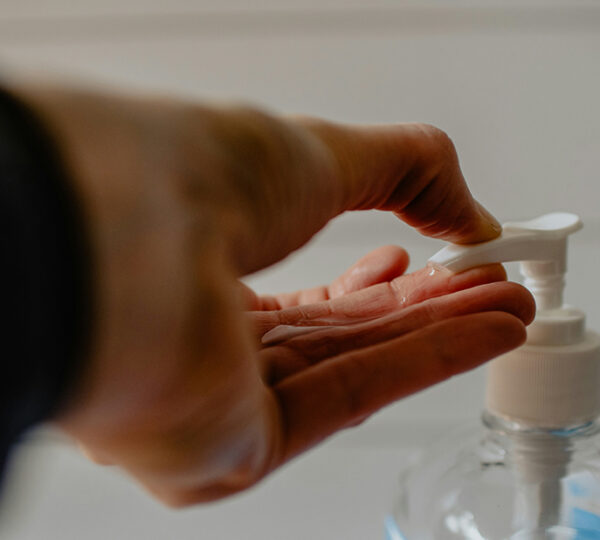
Touching the deceased and then touching one’s face without washing hands can unintentionally introduce bacteria into the body. While this risk is small, it is preventable with simple hygiene measures such as handwashing or using sanitizer after contact.
Psychological and Emotional Considerations
Beyond physical health, there is also an emotional dimension that deserves attention. While some people find comfort in kissing a deceased loved one, others later report distressing memories associated with the coldness, stiffness, or appearance of the body.
Grief affects individuals differently. For some, the final image of physical contact can become intrusive or traumatic, making the grieving process more difficult rather than healing. Mental health professionals often emphasize that closure does not require physical contact and that emotional remembrance can take many forms.
It is especially important to protect children from potentially distressing experiences, as they may not have the emotional tools to process what they see or feel.
Cultural and Religious Sensitivity
Many cultures and religions include physical contact with the deceased as part of mourning rituals. These traditions deserve respect and understanding. In such cases, families may choose symbolic gestures that align with both cultural values and safety considerations.
For example, a brief touch on the hand or forehead, combined with proper hygiene afterward, carries significantly less risk than kissing the lips or face.
Safer Ways to Say Goodbye
Honoring a loved one does not require compromising personal health. There are many meaningful and safe alternatives, including:
-
Holding the hand briefly
-
Touching the forehead gently
-
Saying a prayer or personal words
-
Writing a farewell letter
-
Spending quiet time in reflection
-
Participating in memorial rituals
These actions can provide emotional closure while minimizing unnecessary risk.
Protecting Health as an Act of Love
Caring for one’s health during grief is not selfish—it is an extension of love and respect for the deceased. A loved one would not want their memory associated with harm or illness. By making informed choices, individuals honor both themselves and those they have lost.
Understanding the biological realities of death does not diminish the emotional bond. Instead, it empowers people to grieve with awareness, dignity, and safety.
Final Thoughts
Kissing a deceased loved one is an act rooted in love, grief, and human connection. While it may feel comforting, it is important to recognize the potential physical and emotional risks involved.
These risks are generally low but real, and they increase depending on timing, health conditions, and circumstances of death.
By choosing safer alternatives and staying informed, individuals can navigate grief in a way that protects both their well-being and the memory of their loved ones. Grief is deeply personal, and there is no single “right” way to say goodbye—but knowledge allows that goodbye to be made with care, respect, and wisdom.
