
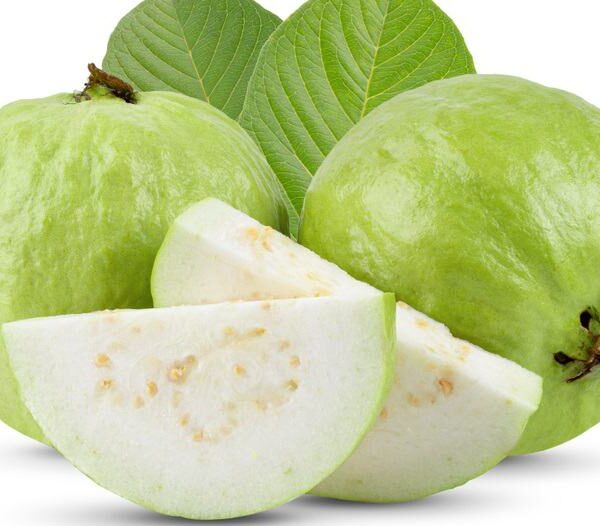
Guava is a sweet, aromatic tropical fruit that is enjoyed around the world for its refreshing taste and impressive nutritional profile.
Beyond its flavor, guava has gained attention for its potential role in supporting healthy blood sugar levels when consumed in appropriate portions.
For individuals who are mindful of glucose balance, including those with insulin resistance or those simply aiming to maintain metabolic health, guava can be a valuable addition to a balanced diet.
Unlike many fruits that cause rapid spikes in blood sugar due to their sugar content, guava stands out for its relatively low glycemic index and high fiber content.
These characteristics make it easier for the body to process and help reduce sudden fluctuations in blood glucose. When eaten as part of a nutrient-dense diet, guava offers both enjoyment and functional benefits.
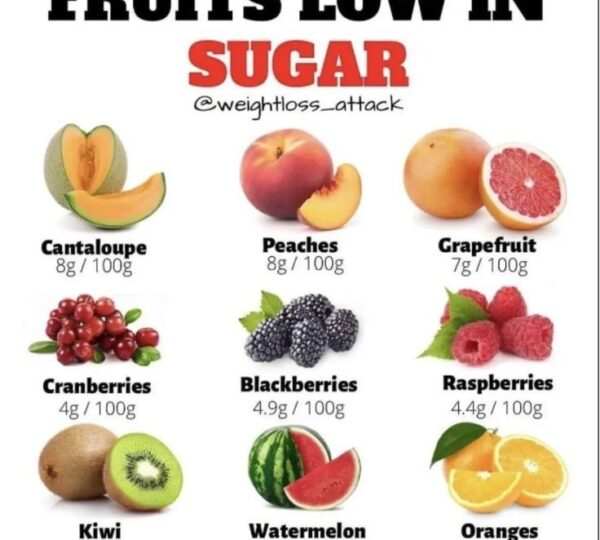
Understanding Blood Sugar Balance and Diet
Blood sugar, or blood glucose, refers to the level of sugar circulating in the bloodstream. After eating, carbohydrates are broken down into glucose, which enters the blood and provides energy for cells. Insulin, a hormone produced by the pancreas, helps move glucose from the blood into cells.
Problems arise when blood sugar rises too quickly or remains elevated for long periods. Over time, repeated spikes can contribute to insulin resistance, weight gain, fatigue, and an increased risk of metabolic disorders. Diet plays a major role in how stable or unstable blood sugar levels become throughout the day.
Foods that digest slowly, contain fiber, and provide nutrients without excessive sugar help promote steadier glucose levels. This is where guava fits particularly well.
Low Glycemic Index: Why It Matters
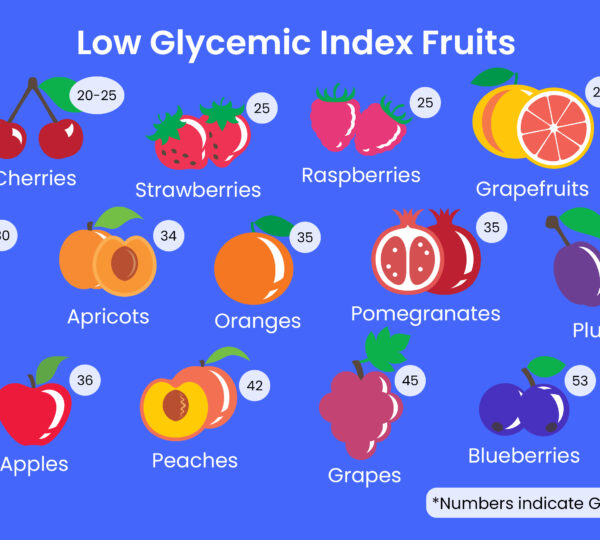
One of the most important features of guava is its low glycemic index (GI). The glycemic index is a scale that measures how quickly a food raises blood sugar after it is eaten.
Foods with a low GI are digested and absorbed more slowly, leading to a gradual increase in blood glucose rather than a sharp spike.
Guava’s low GI makes it a more stable fruit choice compared to high-GI fruits or processed sugary snacks. This slow digestion helps reduce stress on the pancreas and supports better insulin response.
For people monitoring their blood sugar, choosing low-GI foods like guava can make a noticeable difference in post-meal glucose control.
The Power of Soluble Fiber in Guava
Guava is especially rich in dietary fiber, particularly soluble fiber. Soluble fiber dissolves in water to form a gel-like substance in the digestive tract. This slows the breakdown of carbohydrates and the absorption of sugar into the bloodstream.
As a result, blood sugar rises more gradually after eating guava, reducing the likelihood of sharp glucose spikes. Fiber also improves digestive health by supporting regular bowel movements and nourishing beneficial gut bacteria.
Another benefit of fiber is its effect on satiety. Fiber-rich foods help you feel full longer, which can reduce overeating and unnecessary snacking. Maintaining a healthy body weight is closely linked to better blood sugar control, making guava a supportive food in weight management strategies.
Nutritional Profile of Guava
Guava offers more than just fiber. It is packed with essential vitamins, minerals, and plant compounds that contribute to overall metabolic and cardiovascular health.
Vitamin C
Guava is exceptionally high in vitamin C, often containing more than oranges per serving. Vitamin C supports immune function, helps protect cells from oxidative stress, and plays a role in reducing inflammation. Chronic inflammation is associated with insulin resistance, so foods rich in antioxidants can indirectly support blood sugar balance.

Potassium
Potassium is important for heart health and blood pressure regulation. Since people with blood sugar issues may also face increased cardiovascular risk, potassium-rich foods like guava can provide added benefits.
Flavonoids and Antioxidants
Guava contains flavonoids such as quercetin, which have antioxidant and anti-inflammatory properties. These compounds may help improve how the body responds to insulin and protect cells from damage caused by oxidative stress. While guava is not a treatment for blood sugar disorders, these nutrients contribute to overall metabolic resilience.
Guava Leaves and Traditional Use
In addition to the fruit itself, guava leaves have been used in traditional herbal practices for generations, particularly in parts of Asia, Africa, and Latin America. Guava leaf tea has historically been consumed to support digestion and metabolic balance.
Some scientific studies suggest that compounds in guava leaves may influence enzymes involved in carbohydrate digestion.
By slowing the breakdown of complex carbohydrates into glucose, guava leaf tea may help reduce post-meal blood sugar rises. There is also evidence that guava leaf compounds may support insulin sensitivity.
It is important to note that guava leaf tea should be viewed as a supportive practice rather than a medical treatment. While early research is promising, it does not replace prescribed medication or professional medical advice.
How to Prepare Guava Leaf Tea Safely
Guava leaf tea can be prepared using dried guava leaves. The typical method involves boiling a handful of clean, dried leaves in water for several minutes, then straining the liquid before drinking. The tea has a mild, earthy flavor and is often consumed after meals.
Moderation is important. Drinking guava leaf tea once or twice daily is generally considered reasonable, but excessive use is unnecessary. Anyone with a medical condition or who is pregnant should consult a healthcare provider before using herbal teas regularly.
Best Ways to Eat Guava for Blood Sugar Support
Fresh Guava
Eating fresh guava is the simplest and most effective way to enjoy its benefits. The skin is edible and contains fiber, provided the fruit is thoroughly washed and free of pesticide residue.
Pairing with Protein or Fat
Combining guava with protein or healthy fats, such as nuts or yogurt, can further slow sugar absorption and improve blood sugar stability.
Avoiding Processed Guava Products
Canned guava, sweetened juices, and guava-flavored drinks often contain added sugars that negate the fruit’s natural benefits. These products can cause rapid blood sugar spikes and should be avoided or consumed only occasionally.

Portion Control and Natural Sugars
Although guava is beneficial, it still contains natural sugars. Portion size matters, especially for individuals with blood sugar concerns. A moderate serving of guava can fit well into a balanced diet, but excessive consumption may raise glucose levels.
Mindful eating, paying attention to portion size and overall carbohydrate intake, ensures that guava supports rather than disrupts blood sugar balance.
Guava in a Balanced Diet
Guava works best as part of a broader dietary pattern that includes whole grains, lean proteins, healthy fats, and a variety of vegetables. No single food can control blood sugar on its own, but consistent healthy choices add up over time.
Staying physically active, managing stress, staying hydrated, and getting adequate sleep all work together with diet to support stable blood glucose levels.
Who Can Benefit Most from Guava?
Guava can be helpful for:
-
People aiming to maintain steady energy levels
-
Individuals managing weight
-
Those interested in metabolic and heart health
-
People looking for nutrient-dense fruit options
However, individuals with diabetes or other medical conditions should always monitor their blood sugar response and follow personalized advice from healthcare professionals.
Important Considerations and Medical Guidance
Guava and guava leaf tea are supportive dietary options, not treatments or cures. They should complement, not replace, medical care, prescribed medication, or professional dietary guidance.
Everyone’s metabolism is different. Monitoring how your body responds to guava is key, especially if blood sugar management is a priority.
Final Thoughts
Guava is a flavorful and nutrient-rich tropical fruit that offers meaningful benefits for those seeking to support healthy blood sugar levels.
Its low glycemic index, high soluble fiber content, and rich supply of antioxidants make it a smart fruit choice when consumed mindfully.
Guava leaves, when prepared as tea, may provide additional metabolic support, though they should be used responsibly and as part of a balanced lifestyle. With proper portion control and attention to overall dietary patterns, guava can be a delicious and practical addition to a health-conscious routine.
By focusing on moderation, balance, and consistency, guava can help support long-term metabolic health while adding natural sweetness and variety to the diet.
