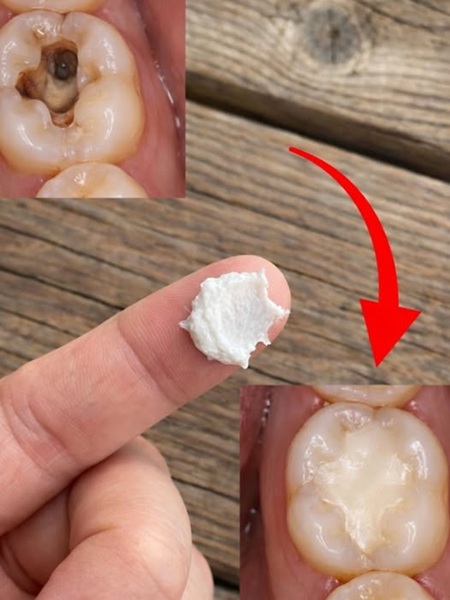
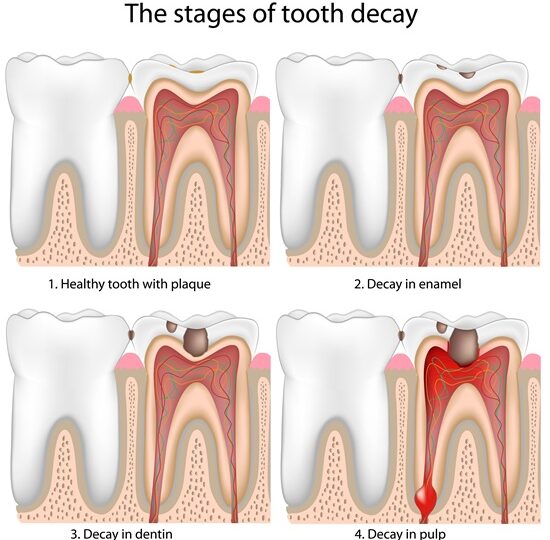
Dental cavities rarely appear overnight. They are the result of a gradual process that unfolds over time as oral bacteria interact with sugars and carbohydrates in the mouth.
These bacteria produce acids that slowly weaken and demineralize tooth enamel, the hard outer layer that protects teeth.
When this process continues unchecked, small areas of damage can develop into cavities that eventually cause pain, sensitivity, or infection. Modern lifestyles often make this process easier to overlook.
Frequent snacking, sugary beverages, chronic stress, dehydration, dry mouth, and rushed or inconsistent oral hygiene all contribute to an environment where harmful bacteria can thrive.
Because early enamel damage does not usually cause noticeable pain, many people are unaware of the problem until discomfort appears. By that stage, professional treatment is often required.
Long-term oral health depends less on occasional deep cleaning and more on maintaining balance throughout the day. This balance involves limiting acid exposure, supporting healthy saliva flow, strengthening enamel, and controlling bacterial activity.
While brushing, flossing, fluoride use, and regular dental visits remain essential, certain natural practices can help support oral balance when used responsibly and consistently alongside conventional care.
The Role of Oral Bacteria and Acid in Tooth Decay
The human mouth naturally contains hundreds of bacterial species. Many of them are harmless or even beneficial.
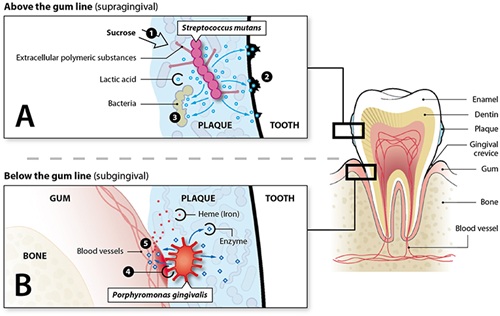
Problems arise when cavity-causing bacteria, such as Streptococcus mutans, dominate the oral environment. These bacteria feed on sugars and fermentable carbohydrates, producing acids as byproducts.
When acids repeatedly lower the pH in the mouth, tooth enamel begins to lose minerals such as calcium and phosphate. This process is known as demineralization.
Saliva normally helps counteract this by neutralizing acids and supplying minerals that aid in remineralization. However, when acid attacks occur too frequently, the enamel does not have enough time to recover.
This is why how often someone eats or drinks sugary or acidic substances can matter more than how much they consume in total. Constant snacking, sipping sweetened drinks, or chewing sugary candies throughout the day keeps the mouth in a prolonged acidic state, increasing the risk of decay.
Why Saliva Is Essential for Oral Health
Saliva plays a central role in protecting teeth and gums. It helps wash away food particles, neutralize acids, control bacterial growth, and deliver minerals necessary for enamel repair. A healthy flow of saliva creates a natural defense system against cavities.
Dry mouth, also known as xerostomia, reduces this protection. It can be caused by dehydration, stress, certain medications, mouth breathing, smoking, or medical conditions.
When saliva production is low, acids remain in contact with teeth for longer periods, and bacteria multiply more easily.
Staying well hydrated, breathing through the nose when possible, managing stress, and stimulating saliva after meals can all help support saliva’s protective role.
Chewing sugar-free gum, especially gum containing xylitol, is one practical way to increase saliva flow naturally.
Oil Pulling as a Supportive Oral Care Practice
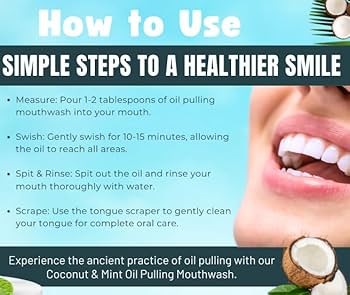
Oil pulling is an ancient oral hygiene practice that has gained renewed interest in recent years. It typically involves gently swishing a tablespoon of oil, most commonly coconut oil, in the mouth for several minutes before spitting it out. While oil pulling should never replace brushing or flossing, it can be a supportive addition to a daily oral care routine.
Coconut oil contains compounds such as lauric acid, which have antibacterial properties. Swishing oil may help loosen bacteria, reduce plaque buildup, and improve overall mouth freshness.
Some studies suggest that consistent oil pulling can reduce levels of harmful oral bacteria and contribute to healthier gums.
The key to oil pulling is consistency and moderation. It should be done gently, without forceful swishing, and always followed by regular brushing with fluoride toothpaste.
When used in this way, oil pulling can be a calming, low-risk habit that supports oral hygiene rather than attempting to replace evidence-based dental care.
Salt Water Rinses and Oral Balance
Salt water rinses are another simple and widely accepted method for supporting oral health. Salt creates an environment that many harmful bacteria find difficult to survive in, while also helping soothe irritated or inflamed gum tissue.
Rinsing the mouth with warm salt water after meals can help flush away food debris, neutralize mild acidity, and promote comfort, especially after dental procedures or during periods of gum sensitivity. Unlike harsh antiseptic mouthwashes, salt water rinses are gentle and unlikely to disrupt beneficial oral bacteria when used appropriately.
This practice is particularly useful for individuals experiencing minor gum irritation, mouth sores, or discomfort after eating acidic foods. While salt water does not cure cavities, it can help maintain a healthier oral environment that supports prevention.
Xylitol and Its Unique Effect on Oral Bacteria
Xylitol is a naturally occurring sugar alcohol found in small amounts in fruits and vegetables. Unlike regular sugar, xylitol cannot be effectively metabolized by cavity-causing bacteria. When these bacteria attempt to process xylitol, their energy production is disrupted, leading to reduced acid output.
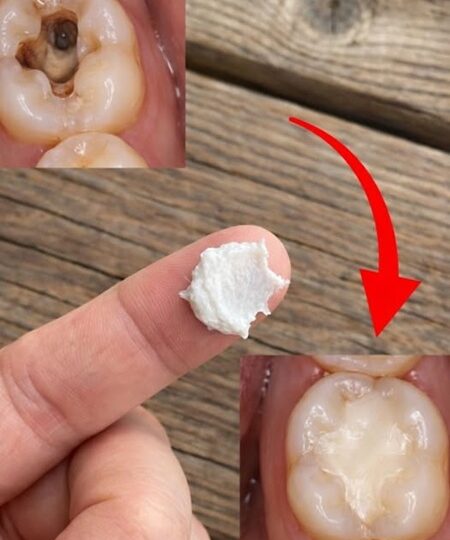
As a result, xylitol helps starve harmful bacteria rather than killing them outright, which supports a healthier bacterial balance in the mouth. Chewing xylitol-containing gum after meals has been shown to lower cavity risk by reducing acid production and stimulating saliva flow.
Increased saliva helps neutralize acids and supports the natural remineralization of early enamel damage. For best results, xylitol gum should be sugar-free and used several times per day after meals or snacks, while still maintaining proper brushing and flossing habits.
Nutrition and Enamel Strength
Diet plays a crucial role in maintaining strong teeth and preventing cavities. Tooth enamel is made primarily of minerals, and these minerals must be replenished regularly to counteract acid damage.
Calcium and phosphorus are essential for enamel repair. Foods rich in these minerals include dairy products such as milk, yogurt, and cheese, as well as leafy green vegetables, nuts, seeds, and legumes.
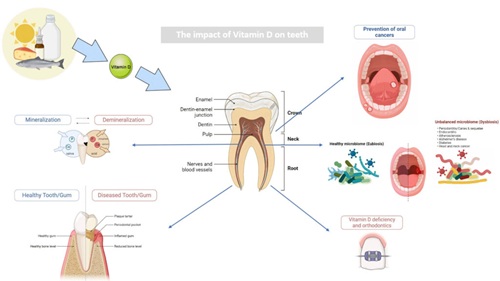
Vitamin D is also important because it helps the body absorb calcium effectively. Fatty fish, eggs, and adequate sunlight exposure support healthy vitamin D levels.
Eating mineral-rich foods as part of balanced meals, rather than frequent snacks, helps reduce acid exposure while providing the nutrients needed for enamel maintenance. Whole foods that require chewing can also stimulate saliva, further supporting oral health.
The Impact of Snacking and Eating Patterns
How often a person eats can significantly influence cavity risk. Each time food is consumed, especially foods containing sugars or refined carbohydrates, oral bacteria produce acids that lower the pH in the mouth. It can take 30 to 60 minutes for saliva to neutralize this acidity and begin repairing enamel.
Frequent snacking prevents the mouth from returning to a neutral pH, leading to prolonged enamel demineralization. Limiting snacks, choosing less cariogenic foods, and allowing time between meals can help reduce this risk.
When snacks are necessary, pairing carbohydrates with protein or fat can slow sugar metabolism and reduce acid spikes. Drinking water after eating also helps rinse away residues and support saliva function.
Timing and Technique of Brushing
Brushing is essential, but timing matters. Brushing immediately after consuming acidic foods or drinks can increase enamel wear because acid temporarily softens the enamel surface.
Waiting at least 30 minutes after acidic exposure allows saliva to neutralize acids and reharden enamel before brushing.
Using a soft-bristled toothbrush and gentle pressure protects enamel and gums from abrasion. Fluoride toothpaste remains one of the most effective tools for strengthening enamel and preventing cavities. Fluoride helps remineralize weakened enamel and makes teeth more resistant to future acid attacks.
Flossing once daily removes plaque and food particles from areas a toothbrush cannot reach, particularly between teeth and along the gumline, where cavities and gum disease often begin.
Stress, Lifestyle, and Oral Health
Chronic stress can indirectly affect oral health in several ways. Stress may reduce saliva production, increase teeth grinding, weaken immune function, and lead to poor dietary choices or neglected oral hygiene routines.
Managing stress through sleep, exercise, and relaxation techniques supports both general health and oral balance.
Smoking and excessive alcohol consumption also increase cavity risk by drying the mouth and altering bacterial balance. Reducing or eliminating these habits provides significant benefits for teeth and gums.
The Importance of Regular Dental Care
Even with excellent daily habits, professional dental care remains essential. Regular checkups allow dentists to detect early signs of enamel weakening, cavities, or gum disease before symptoms become severe. Professional cleanings remove hardened plaque (tartar) that cannot be eliminated with brushing alone.
Natural remedies and supportive practices work best when integrated into a comprehensive oral care plan that includes professional guidance. Dentists can also provide personalized recommendations based on individual risk factors, such as dry mouth, orthodontic appliances, or medical conditions.
Creating an Oral Environment That Favors Repair
Cavity prevention is not about achieving perfection but about creating daily patterns that favor repair over decay. Limiting sugar exposure, supporting saliva, strengthening enamel, and maintaining consistent hygiene all contribute to a resilient oral environment.
Natural practices such as oil pulling, salt water rinses, xylitol use, and nutrient-rich diets can support these goals when used responsibly. They are most effective when they complement, rather than replace, proven dental care methods.
By focusing on balance throughout the day rather than isolated actions, it becomes possible to reduce cavity risk and support long-term oral health in a sustainable and evidence-based way.
