
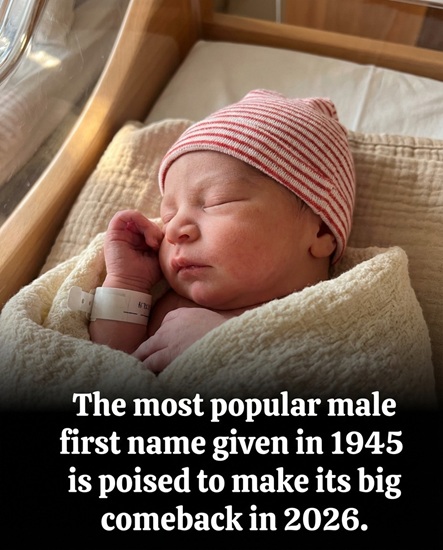
Naming trends almost never change suddenly. They shift slowly, influenced by culture, economics, technology, and collective emotion.
Yet by 2026, researchers, sociologists, and naming experts are observing something unusually clear: a widespread turn away from ultra-modern, invented, and digitally styled names, and a return toward names rooted in history, familiarity, and emotional permanence.
For more than a decade, naming culture was dominated by novelty. Parents searched for names that felt unique, algorithm-proof, and visually striking on screens.
Letters were rearranged, vowels removed, and spellings altered to create names that looked modern and distinctive. Many of these names reflected a world shaped by social media, branding, and constant digital presence.
But trends rarely move in one direction forever. As society enters the mid-2020s, a quiet reversal is taking place.
Parents are increasingly choosing names that feel stable rather than flashy, meaningful rather than experimental. Instead of names that sound invented, families are choosing names that sound remembered.
Experts contributing to national and international naming registries, including compilers of the Official Book of First Names, describe this shift as a response to cultural fatigue.
In a world that feels fast, uncertain, and constantly changing, many parents are seeking anchors. A child’s name, once again, is becoming a place to express calm, continuity, and trust in the future.
From Digital Novelty to Emotional Grounding
The rise of social media and global connectivity profoundly influenced naming choices in the early 2000s and 2010s. Parents wanted names that stood out in crowded classrooms and online spaces.
Uniqueness was often prioritized over longevity. Some names were created specifically to feel modern, futuristic, or unconventional.
By contrast, today’s parents—particularly millennials and older Gen Z adults—are increasingly questioning that approach. Naming specialists note that many new parents are asking a different set of questions:
-
Will this name still feel appropriate when my child is 40 or 70?
-
Does this name carry meaning beyond trend cycles?
-
Does it feel human rather than performative?
This shift does not reject creativity, but it reframes it. Instead of inventing something new, parents are rediscovering names that already survived centuries. They are choosing names that have proven their ability to endure social change.
The Neo-Vintage Revival
At the center of this movement is what experts call the “neo-vintage” trend. These are names that were once common, then faded from use, and are now returning—not as retro novelties, but as fresh, grounded choices.
Unlike names that never left popularity charts, neo-vintage names benefit from distance. They are familiar but not overused. They feel substantial without feeling dated.
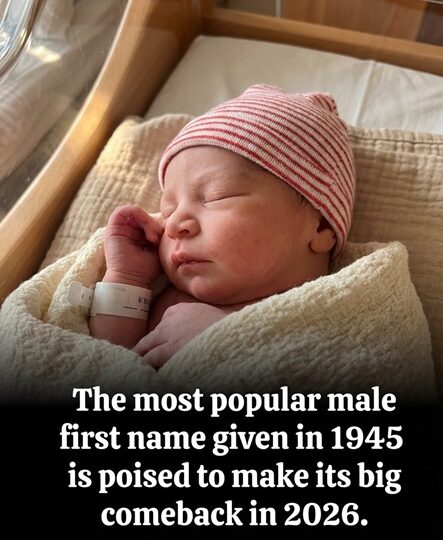
One of the most notable examples of this revival is the name Marcel.
Marcel: From Forgotten to Rediscovered
For much of the 20th century, Marcel was a familiar name in parts of Europe, particularly in French-speaking regions.
It carried associations with artists, writers, craftsmen, and everyday working life. Over time, however, the name gradually disappeared from birth records, replaced by more contemporary choices.
By the early 2000s, Marcel was often perceived as old-fashioned, associated with grandparents or great-grandparents rather than newborns. It quietly slipped out of fashion, rarely appearing on modern name lists.
Ironically, that long absence is precisely what has made Marcel appealing again.

By 2026, Marcel is being described by naming analysts as “rediscovered rather than revived.” To modern ears, it does not feel outdated. Instead, it sounds intentional—chosen with care rather than impulse.
Marcel occupies a rare balance. It is elegant without being ornate, traditional without feeling heavy, and distinctive without being unfamiliar. It does not shout for attention, but it leaves a lasting impression.
A Name with Quiet Character
One reason Marcel resonates with modern parents is what experts describe as its “quiet character.” In contrast to names designed to stand out aggressively, Marcel allows space for individuality. The name does not attempt to define the child’s personality in advance.
This quality is increasingly important to parents who value authenticity over projection. Rather than choosing names that feel like personal branding, many families are opting for names that can grow naturally with the child.
Marcel feels equally suitable for a curious toddler, a thoughtful student, a professional adult, and an older person later in life. It ages gracefully, a trait that naming experts consistently highlight as essential for long-term satisfaction.
A Broader Return to Classical Names
Marcel’s rise does not exist in isolation. It fits into a wider resurgence of names that once belonged to earlier generations. Names such as Augustin, Léonie, Eugène, and Colette are also returning to usage in various regions.
These names share key qualities:
-
They have historical depth
-
They are easy to pronounce
-
They are culturally rooted
-
They avoid excessive embellishment
Parents choosing these names often express a desire to give their children something lasting rather than trendy. In uncertain times, tradition offers reassurance.
Masculinity Reimagined
Another reason for Marcel’s renewed appeal lies in shifting ideas about masculinity. Contemporary parents are increasingly rejecting stereotypes that associate strength with aggression or dominance.
Instead, there is growing appreciation for emotional intelligence, empathy, and calm confidence.
Marcel reflects this change. The name does not feel harsh or performative. It suggests thoughtfulness, sensitivity, and quiet assurance. Naming researchers note that parents often describe Marcel as “gentle but strong,” a combination that aligns with modern values.
This does not mean the name lacks presence. Rather, its strength lies in restraint.
Global Versatility
In an increasingly interconnected world, parents also consider how names function across cultures. Marcel performs particularly well in this regard.
The name is recognized and pronounced comfortably in multiple languages, including:
-
English
-
French
-
German
-
Spanish
This versatility makes Marcel appealing to families with international backgrounds or global outlooks. It travels easily, retaining its character without requiring spelling changes or explanations.
For parents who value mobility and cultural openness, this adaptability is a significant advantage.
The Psychology Behind the Choice
Naming experts emphasize that modern parents are more reflective than ever. Many take months to decide on a name, researching history, meaning, and usage patterns.
Marcel appeals because it carries emotional weight without being overwhelming. It suggests continuity rather than reinvention. In psychological terms, it offers a sense of security—both for parents making the choice and for children growing into it.
Studies in social psychology suggest that names associated with stability and familiarity can positively influence first impressions, particularly in professional contexts. While a name does not determine destiny, it can shape expectations.
Tradition as a Foundation, Not Nostalgia
Importantly, the return to names like Marcel is not driven by nostalgia alone. Parents are not trying to recreate the past. Instead, they are using tradition as a foundation for the future.
In this sense, choosing Marcel is a forward-looking decision. It reflects confidence that a name does not need to be new to be relevant. It needs to be meaningful.
A Sign of Cultural Maturity
By 2026, the popularity of Marcel signals something broader about society. It suggests a collective desire to slow down, to value substance over surface, and to make choices that endure beyond trend cycles.
Naming, after all, is one of the first lasting decisions parents make for their children. In choosing names that have already stood the test of time, families are expressing hope—not just for stability, but for depth, connection, and continuity.
Looking Ahead
While no naming trend lasts forever, experts believe the neo-vintage movement will continue for years. Names like Marcel are not likely to surge explosively and disappear. Instead, they are expected to grow steadily, remaining quietly present rather than dominant.
This slow rise mirrors the values behind the choice itself: patience, thoughtfulness, and confidence without excess.
By 2026, Marcel is more than a name. It is a statement—one that reflects changing priorities, evolving identities, and a renewed respect for the enduring power of tradition.
In a world that constantly pushes forward, Marcel reminds us that sometimes the most meaningful progress comes from looking back—not to stay there, but to build something lasting from what has already proven its worth.

