
For more than twenty-five years, Doris expressed love in the most tangible way she knew: through food. Cooking was not merely something she did—it was who she was.
Her kitchen had always been the emotional center of her home, a place where warmth came not only from the stove but from intention, routine, and care.
The scents of slow-cooked stews, fresh bread, and familiar spices drifted through the house daily, creating a sense of comfort that words alone could never convey.
Doris had learned to cook at a young age, standing beside her mother and grandmother, watching them measure ingredients by feel rather than by cup. Recipes were rarely written down.

They were remembered, adjusted, passed on through practice and presence. Each dish carried a quiet history, and Doris took pride in continuing those traditions. To her, food was memory, effort, and connection combined.
Every Sunday for decades, her dining table filled with family. Her children, relatives, and sometimes neighbors gathered around plates she prepared with care. There was laughter, conversation, and the comforting predictability of shared meals.
Doris moved between the kitchen and the table with ease, refilling plates, asking gentle questions, smiling at familiar stories she had heard many times before. She never rushed those moments. They mattered to her deeply.
Cooking was not a task Doris completed to get through the day. It was how she showed love without needing to say it aloud. It was how she anchored her family together and gave structure to her own life.
Even on difficult days, when she felt tired or overwhelmed, the rhythm of cooking brought her a sense of purpose.
As the years passed, her children grew older and eventually moved out. The house became quieter. The long Sunday gatherings happened less frequently. Still, Doris continued cooking the same way she always had.
Old habits lingered, and so did the love behind them. She cooked as though the house were still full, preparing meals that could feed more than just two people.
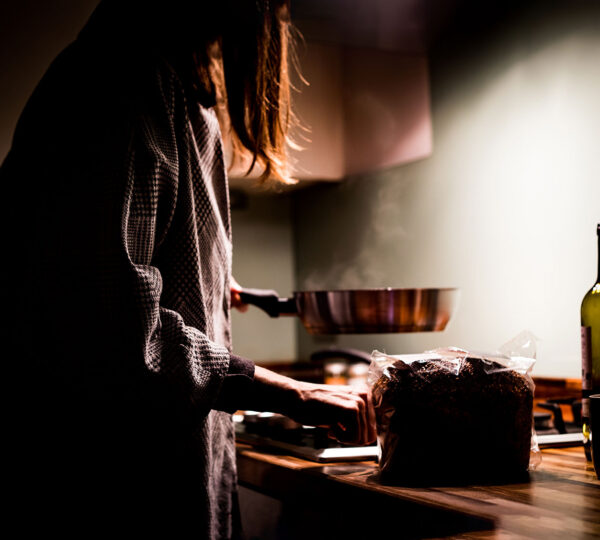
Her husband, Alan, often worked late, and Doris liked the idea of him coming home to a warm dinner waiting. She believed those small gestures mattered, especially as routines settled into predictability. She found comfort in knowing she was providing something steady and familiar.
At first, Doris did not question anything unusual. But over time, she noticed small changes that unsettled her. Leftovers that normally lasted several days were gone far sooner than expected.
Large casseroles were emptied overnight. Containers she remembered placing carefully in the refrigerator were missing by morning.
Initially, she doubted herself. She wondered if she had misjudged how much she cooked or simply forgotten what had been eaten.
She considered that perhaps Alan had been hungrier than usual or that her memory was slipping under the weight of busy days at the local library where she worked.
But the pattern persisted.
The refrigerator seemed emptier every day, no matter how much she prepared. Groceries disappeared faster than she could replace them. What confused her most was not the missing food, but the feeling that something was happening without her knowledge.
Doris tried to dismiss the discomfort. She told herself it was not worth worrying over something as ordinary as food. Still, the unease grew. It wasn’t just about what was gone—it was about not knowing why.
Then, one rainy Thursday afternoon, everything shifted.
The library closed early that day, and Doris decided to head home ahead of schedule. She thought she would surprise Alan by having dinner ready earlier than usual. As she pulled into the driveway, she noticed another car parked outside—a familiar one.

It belonged to her sister-in-law, Marian.
Doris entered the house quietly, calling out a greeting. There was no response. She walked toward the kitchen, expecting to see Marian sitting at the table or chatting on the phone. Instead, she stopped abruptly in the doorway.
Marian stood in front of the open refrigerator, transferring containers of food into a large tote bag. Doris recognized the dishes immediately—the stew she had made the night before, leftover pasta, and a pie she had baked just one day earlier.
For a moment, Doris could not speak.
Marian turned around, startled, and quickly tried to explain. She said Alan had told her it was fine, that she was just taking a few things, that it wasn’t a big deal.
Doris felt a heaviness settle in her chest.
“You’ve been taking food from my refrigerator?” she asked quietly.
Marian shrugged, awkward and defensive. She said families share food. She said it was “just food.”
That phrase struck Doris deeply.
To Marian, the meals were replaceable. To Doris, they were not. Every dish represented time, planning, effort, and emotional labor. Each meal was something Doris had created intentionally, often while tired, often without acknowledgment.
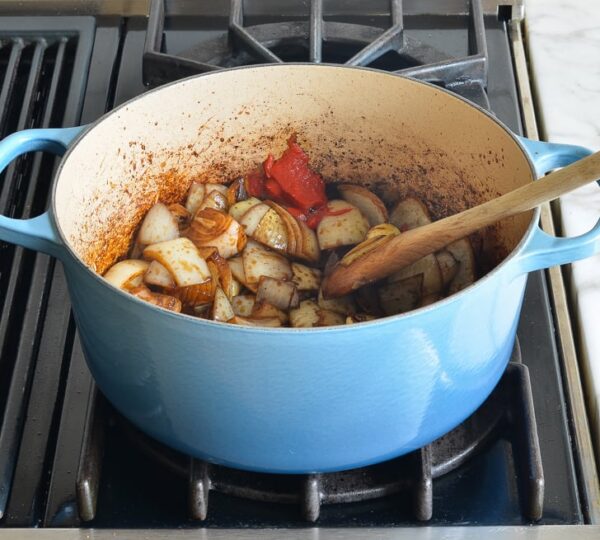
What Marian dismissed casually felt to Doris like something personal being taken without permission.
That evening, Doris spoke to her husband. She expected him to understand or at least listen. Instead, he minimized her feelings. He said Marian was family, that she was struggling, and that it wasn’t worth getting upset over leftovers.
Doris tried to explain that it was not about the food itself. It was about respect. About how her work was treated as automatic and disposable. About how much of herself she poured into caring for others without being seen.
Alan told her she was overreacting.
That conversation left Doris feeling hollow.
In the days that followed, she moved through her routines without the warmth she once felt. She went to work, cooked meals, cleaned the house—but something fundamental had shifted.
She began noticing patterns she had ignored for years. How rarely her efforts were acknowledged. How expected her kindness had become.
She realized she had been carrying the emotional weight of the household largely on her own.
After many sleepless nights, Doris made a decision that both frightened and relieved her. One morning, she packed a small suitcase, left a handwritten note on the kitchen counter, and drove to her daughter’s house an hour away.
Her hands shook as she closed the door behind her, but her mind felt clearer than it had in years.
Leaving was not an act of anger. It was an act of self-respect.

She took walks, joined a community garden, and volunteered at a local cooking program for seniors. For the first time in years, cooking felt joyful again—creative rather than expected.
Her children eventually came to understand her decision. At first, they struggled to see why something so small could lead to such a big change. But as Doris explained, they realized it was never about food.
It was about years of invisible labor. About love that went unrecognized. About the quiet erosion of respect.
Her husband reached out later with apologies. He said he hadn’t realized how deeply she had been hurt. But by then, Doris had already stepped into a new chapter—one shaped by boundaries and self-worth.
Today, Doris lives in a small apartment filled with light. Her kitchen is still active. Stews simmer, bread rises, and pies cool on the counter. But now, everything she makes is by choice.
Her refrigerator stays full—not because no one touches it, but because everything inside it belongs to her time, her energy, and her love.
On the refrigerator door, she keeps a single handwritten note:
“Love should be appreciated, not taken for granted.”
Every time she opens the door, she remembers that lesson—and smiles, knowing she finally honored herself.
