When bedroom air turns thick, sticky, and suffocating, sleep often becomes a frustrating struggle. Most people are familiar with the sensation:
lying awake while heat clings to your skin, pillows warming by the minute, and the mind growing increasingly restless with every passing hour.
Sleep seems just out of reach as the body fights to cool itself, yet conventional air conditioning may be unavailable, impractical, or too expensive. Fortunately, there are simple, unconventional techniques that rely on basic principles of airflow, thermodynamics, and bodily temperature regulation to reclaim a restful night.
Using nothing more than fabric, water, and a little ingenuity, it is possible to reduce discomfort and improve sleep quality even in the hottest conditions.
Understanding the Body and Sleep in Hot Conditions
Before exploring specific cooling methods, it helps to understand why heat interferes with sleep. The human body naturally regulates its core temperature in a predictable circadian rhythm.
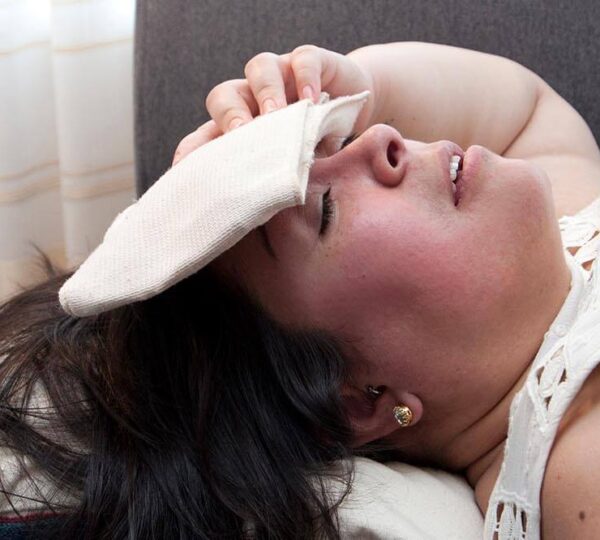
Normally, body temperature begins to drop in the evening, signaling the onset of sleep. Heat, however, disrupts this process. High ambient temperatures prevent the body from shedding excess heat efficiently, leading to restlessness, frequent awakenings, and difficulty falling asleep.
Moreover, heat affects multiple systems simultaneously. It increases heart rate, triggers sweating, and can exacerbate feelings of anxiety or irritability.
Even a small reduction in temperature—just a few degrees—can make a noticeable difference in sleep onset and maintenance. This is why simple cooling methods that reduce either the room temperature or the body’s perceived temperature can have a substantial impact.
Cooling the Room with Evaporative Methods
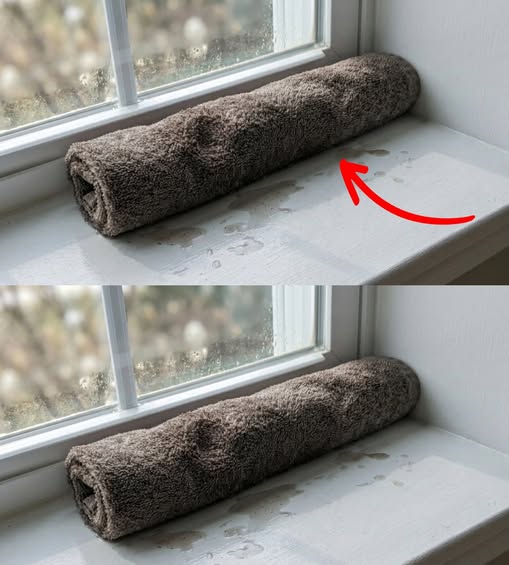
One surprisingly effective method involves a technique often described as low-tech yet scientifically sound: draping a damp towel over an open windowsill.
At first glance, this may seem improvised, but it works based on the principle of evaporative cooling. Evaporation is a natural process in which water absorbs heat from its surroundings as it changes from liquid to vapor.
As air passes through or over a wet towel, heat is drawn from the air, producing a modest but meaningful cooling effect.
The setup is simple: soak a towel in cold water, wring it out lightly so it is damp but not dripping, and hang it across the top or bottom of an open window.
Warm air from outside passes through the towel, transferring some of its heat into the water. Cooler air then enters the room, creating airflow that can significantly improve comfort.
The effectiveness of this method depends on a few factors. First, humidity plays a crucial role. In dry climates, evaporative cooling is particularly powerful, as the air can absorb more moisture from the towel.
In more humid environments, the cooling effect is reduced but still present. Second, proper airflow is key. The window should ideally face a source of moving air, such as a gentle breeze or draft, to continuously replace the warmer air inside the room with slightly cooler air passing through the towel.
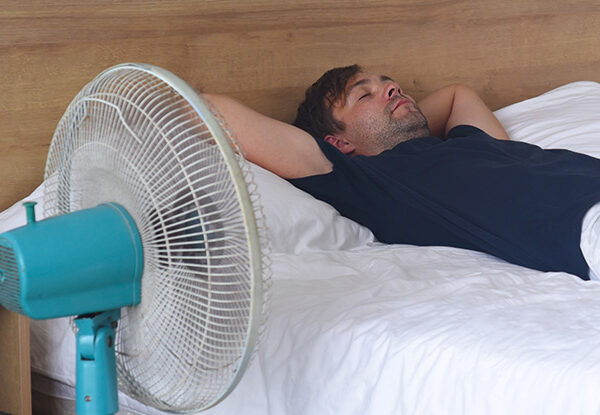
Even without a natural breeze, using a small fan to circulate air across the damp fabric can amplify the effect.
While this technique does not replace an air conditioner, it is energy-efficient, inexpensive, and surprisingly effective.
Even a modest temperature drop of one to three degrees Celsius can make a difference, particularly because it helps the body initiate the natural cooling process necessary for sleep. By reducing the ambient heat in the room, muscles relax, breathing becomes easier, and the body can shift into a more restful state.
Cooling the Body Directly
While lowering room temperature is helpful, another approach focuses directly on the body: cooling the head and neck.
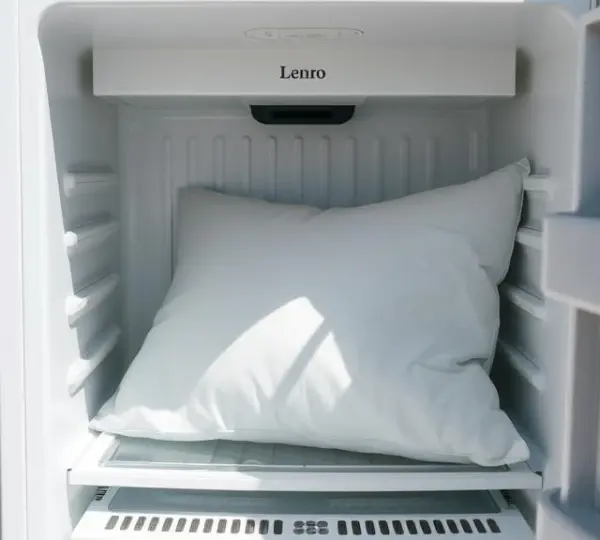
These areas are particularly sensitive because of the dense network of blood vessels near the skin. One of the most practical methods is chilling a pillowcase or pillow in the refrigerator or freezer before bedtime.
The sensation of cool fabric against the skin triggers a response in the nervous system, signaling that it is safe to relax. This immediate perception of comfort can help overcome the initial hurdle of falling asleep when the body is otherwise heated.
The process works because heat dissipation from the head plays a significant role in core body temperature regulation. When the scalp and neck are cooler, blood flow helps distribute this cooling effect throughout the body, enhancing the natural decline in core temperature that precedes sleep.
Even brief exposure to a chilled pillow can make a substantial difference. While the fabric warms relatively quickly once in contact with the skin, those first minutes are critical.
For many individuals, the initial window of coolness is enough to fall asleep before the pillow’s temperature equalizes with the room. Additionally, some people find it helpful to use multiple pillowcases in rotation, keeping one in the freezer and switching halfway through the night for sustained cooling.
Combining Methods for Maximum Effect
The most effective approach often combines environmental and bodily cooling. By reducing the ambient temperature with evaporative methods and simultaneously lowering the body’s perceived temperature, sleep becomes not only possible but also more restorative.
For instance, a damp towel on the window coupled with a chilled pillow provides dual cooling: the air feels cooler as it circulates through the room, and the head and neck benefit from direct cold contact.
This combination addresses both the external and internal factors that contribute to heat-related sleep disturbances.
Other complementary strategies can enhance these effects. For example, wearing lightweight, breathable fabrics such as cotton or linen helps wick away sweat while promoting airflow around the body.
Removing heavy blankets or switching to a single light sheet further reduces heat retention. Additionally, drinking cool water or taking a brief lukewarm shower before bed can temporarily lower body temperature and improve comfort.
Positioning and Room Setup
Room arrangement can also influence how effectively these methods work. Placing the bed near a source of airflow, such as a window or door that allows cross-ventilation, can increase the cooling effect.
Fans can be strategically positioned to circulate air over the damp towel or directly toward the bed, creating a gentle breeze that enhances evaporative cooling.

Some people even place bowls of ice or chilled water in front of fans to create a miniature air-conditioning effect as the fan blows air over the cold surface.
Ceiling fans, if available, are particularly useful. Even if the fan cannot significantly reduce temperature, the movement of air across the skin increases evaporation of sweat, which naturally cools the body.
This effect works similarly to the damp towel method but is directed at the body rather than the ambient air.
Psychological and Sensory Considerations
Beyond physiological cooling, these methods offer psychological comfort as well. Hot nights often exacerbate stress and anxiety, which in turn make sleep more difficult.
The simple, tangible sensation of cool air or fabric can provide reassurance and a sense of control over an otherwise uncomfortable environment. Feeling that steps have been taken to improve comfort can reduce mental restlessness, further facilitating sleep onset.
Additionally, cooling the head specifically can help with perceived freshness and alertness. The head is highly sensitive to temperature changes, and a cool pillow can signal to the brain that the environment is safe for rest.
Over time, these small cues can reinforce healthier sleep patterns even in warm conditions, demonstrating the interaction between sensory perception and physiological regulation.
Scientific Backing and Practical Evidence
The methods described are not mere anecdotal advice—they are grounded in well-established scientific principles. Evaporative cooling is a fundamental process exploited by air conditioning and industrial cooling systems, scaled down to a simple towel in a window.
Similarly, the regulation of body temperature and its impact on sleep has been studied extensively. Research shows that even small reductions in skin or core temperature can significantly improve sleep onset latency and sleep quality.
Cooling interventions like chilled pillowcases, cold packs near pulse points, or lightweight breathable fabrics have been recommended by sleep specialists for decades.
The combination of environmental and bodily cooling aligns with these guidelines, offering a low-cost, accessible solution for people without access to mechanical air conditioning.
Limitations and Considerations
While effective, these methods have some limitations. Humidity levels can reduce the effectiveness of evaporative cooling, and extremely hot nights may overwhelm these strategies.
In such cases, additional measures—such as fans, ice packs, or temporary relocation to cooler rooms—may be necessary.
Furthermore, those with certain medical conditions, such as respiratory or cardiovascular issues, should ensure that rapid temperature changes do not cause discomfort or exacerbate symptoms.
It is also important to manage expectations. These low-tech interventions are most effective in moderately hot environments and may not fully replicate the comfort of air conditioning in extreme heat.
However, they can still provide meaningful relief and often allow for at least partial restoration of sleep quality.
Conclusion
Sleeping in hot conditions can be a frustrating challenge, but simple, energy-free strategies can make a significant difference.
By understanding how the body regulates temperature and applying basic principles of airflow and evaporation, it is possible to improve comfort without expensive or complex equipment.
Draping a damp towel over a windowsill leverages evaporative cooling to lower room temperature, while chilling a pillowcase directly targets the body’s heat-sensitive regions.
When combined, these approaches address both environmental and physiological factors, enhancing the likelihood of restful sleep.
Additional strategies, such as breathable fabrics, minimal bedding, and strategic fan placement, complement these methods to create a holistic, low-cost sleep solution.
Even in the absence of air conditioning, these techniques empower individuals to regain control over their sleeping environment.
They illustrate the value of simple interventions rooted in science, showing that comfort and rest are achievable through understanding, creativity, and attention to natural cooling processes.
For anyone facing sleepless nights in the heat, these methods offer a practical, effective, and fully sustainable way to improve sleep quality and overall well-being.
