
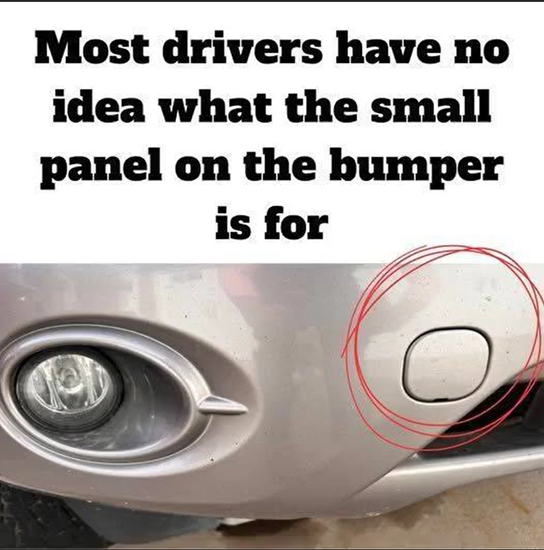
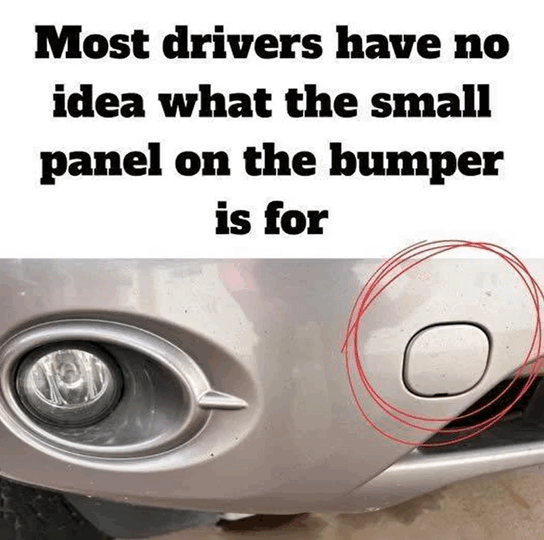
If you’ve ever walked around your car and noticed a small square or rectangular panel on the front or rear bumper, you may have assumed it was simply a cosmetic feature — a design choice meant to preserve the sleek lines of your vehicle.
Its subtle appearance often leads people to overlook it entirely. Yet, behind that tiny, almost inconspicuous cover lies one of the most crucial safety and utility features on your car: the tow hook socket.
This unassuming feature can make a tremendous difference during a roadside emergency, ensuring your vehicle can be safely and securely towed in the event of a breakdown, getting stuck, or even during planned vehicle movement. Understanding its design, purpose, and proper usage is essential for any responsible driver.
What Is a Tow Hook Socket?
The tow hook socket is a threaded metal insert built directly into your car’s frame, concealed behind that small removable bumper panel.
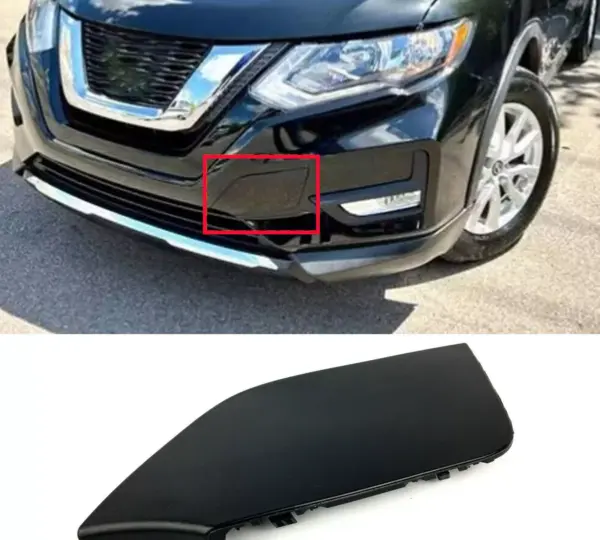
Its primary function is to provide a manufacturer-approved, secure attachment point for towing. Unlike improvising with ropes, straps, or chains — which can be dangerously affixed to a bumper, suspension, or other structural components — the tow hook socket is specifically engineered to handle the stresses involved in towing without damaging the vehicle.
Modern vehicles are designed with careful consideration for safety and convenience. The tow hook socket ensures that in emergency situations, towing can be performed efficiently while minimizing the risk of structural or cosmetic damage.
The Removable Cover: Function Meets Design
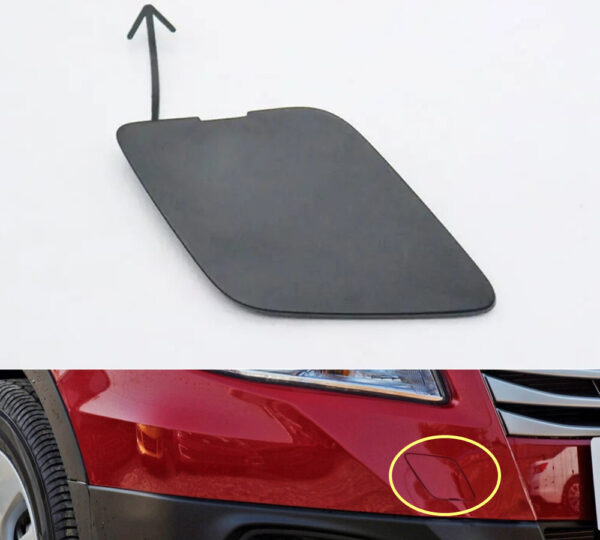
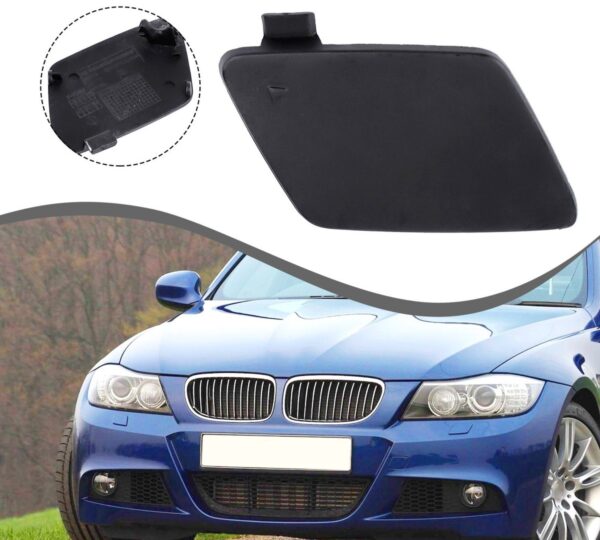
To maintain both aesthetics and protection, automakers cover the tow hook socket with a removable panel. Typically color-matched to your vehicle’s exterior, this panel sits flush with the bumper, preserving the smooth, continuous lines of the car.
The panel serves multiple purposes:
Protection: It prevents dirt, water, and road debris from entering the socket, reducing the risk of corrosion or damage.
Ease of Use: Designed to be simple to remove, the panel allows quick access in emergencies without requiring specialized tools.
Aesthetics: Automakers carefully match the panel to the car’s color and shape, ensuring that functionality does not compromise appearance.
While small, this panel exemplifies thoughtful automotive engineering — balancing form, function, and safety.
Where the Tow Hook Is Stored
Most modern vehicles include a dedicated tow hook stored within the trunk or cargo area. It is often located near the spare tire, emergency roadside kit, or a designated compartment designed for easy retrieval.
The tow hook itself is a robust metal component, typically with a threaded end that securely screws into the tow hook socket. Despite its small size, it is engineered to withstand significant tension and force, providing the safest possible point for towing.
Some vehicles include tow hook sockets on both the front and rear bumpers, offering flexibility depending on the situation. Others, particularly smaller cars or sports models, may only have a single socket, making it essential for drivers to familiarize themselves with their specific vehicle’s configuration.
How to Use a Tow Hook Properly
Using a tow hook may seem straightforward, but improper use can compromise safety or cause damage. Here is a step-by-step guide for proper usage:
Locate and Remove the Cover: Identify the square or rectangular panel on the bumper. Using fingers or a flat tool, gently pry the panel away to expose the socket.
Insert the Tow Hook: Take the metal hook from the tool kit and screw it into the socket, turning it clockwise until snug. Avoid overtightening, which can strip threads or complicate later removal.
Attach the Tow Line: Connect a tow rope, chain, or tow bar to the hook. Follow manufacturer guidelines carefully to ensure proper alignment and tension.
Towing Procedure: If being towed, the towing vehicle should accelerate gradually, avoid sudden stops, and maintain a controlled speed. Communication between drivers is critical to ensure safety.
Proper use of the tow hook prevents damage to the car and allows towing to be performed efficiently, even in difficult circumstances.
Why Tow Hooks Are Essential
Tow hooks are more than a convenience; they are a critical safety feature. Attempting to tow a car by looping a rope around a bumper, axle, or suspension component can lead to severe damage. Bumpers may crack, metal parts may bend, and sensitive electronics or sensors could be compromised.
The tow hook socket eliminates these risks, providing a reinforced, purpose-built point designed to withstand the forces involved in towing. For off-road vehicles, the importance is magnified.
When navigating mud, sand, snow, or rocky terrain, vehicles often become immobilized. In these situations, a properly installed tow hook or D-ring mount allows recovery straps to be attached safely, minimizing the risk of vehicle damage and ensuring recovery can be performed efficiently.
Maintenance and Safety Tips
To ensure that your tow hook is ready when needed:
Check the Owner’s Manual: Each car is different. The manual will show the location of sockets, storage instructions for the tow hook, and manufacturer-recommended towing practices.
Keep the Cover in Place: The panel prevents dirt, corrosion, and accidental damage. Only remove it when necessary.
Inspect the Hook Regularly: Ensure the hook is free of rust, cracks, or other damage. A compromised hook may fail under tension.
Know the Limits: Tow hooks are intended for low-speed towing over short distances. For long-distance or high-speed towing, a flatbed truck or manufacturer-approved tow setup should be used.
Following these precautions ensures that the tow hook fulfills its intended purpose safely and effectively.

The History and Evolution of Tow Hooks
Tow hooks have existed in various forms since the early days of the automobile. Early vehicles often had exposed loops or welded hooks, which were functional but prone to rust and often inconveniently located.
Modern vehicles hide the sockets behind aesthetic panels, providing a sleek exterior while maintaining functionality. These sockets are standardized for compatibility with emergency roadside towing equipment, enabling professional assistance to be performed safely and efficiently.
Some high-performance vehicles even include threaded sockets specifically for flatbed transport, ensuring that vehicle shipping does not compromise structural integrity.
Real-World Applications of Tow Hooks
Tow hooks prove their worth in everyday scenarios:
Muddy Roads: Getting stuck in mud or sand can be resolved safely by a tow hook, preventing bumper or frame damage.
Snowy Conditions: Ice and snow can immobilize vehicles in parking lots or driveways; a secure tow hook allows recovery without risk.
Minor Accidents: Sliding into a ditch or getting caught on a steep incline becomes manageable when the tow hook is accessible.
Even though it may seem minor, this simple feature can save time, money, and avoid unnecessary stress.
Tow Hooks in Off-Roading and Motorsports
In off-road environments, tow hooks are indispensable. Vehicles often encounter conditions that make getting stuck inevitable — from mud pits to rocky trails.
Off-road vehicles frequently include reinforced tow hooks or D-ring mounts to withstand higher forces, ensuring that recovery straps can be attached safely without compromising the frame.
In motorsports, accessible and standardized tow points allow officials to quickly remove disabled vehicles from tracks, enhancing safety for all participants.
A Small Feature, Big Impact
It’s remarkable how much thought goes into features like the tow hook socket. That tiny panel on your bumper may seem trivial, yet it conceals a carefully engineered solution for one of driving’s most stressful situations.
Tow hook sockets exemplify automotive engineering at its best: balancing aesthetics, functionality, and safety. They are a small feature that can prevent significant damage, reduce repair costs, and ensure safe vehicle recovery.
Final Thoughts
Next time you inspect your car, take a closer look at that little bumper panel. Behind it lies a small but powerful feature designed to protect your vehicle and make towing as safe and efficient as possible.
Understanding its purpose, practicing proper installation and usage, and performing regular inspections ensures that your car’s tow hook is ready for any roadside challenge.
In the world of automotive design, the tow hook socket is a perfect example of how even the smallest details carry outsized importance. A simple square or rectangular panel is not just cosmetic — it’s a safeguard, a utility, and a testament to the precision of modern engineering.
The next time you drive, remember that safety and practicality often hide in plain sight, and a feature as small as a tow hook socket can make a life-changing difference when you need it most.

